
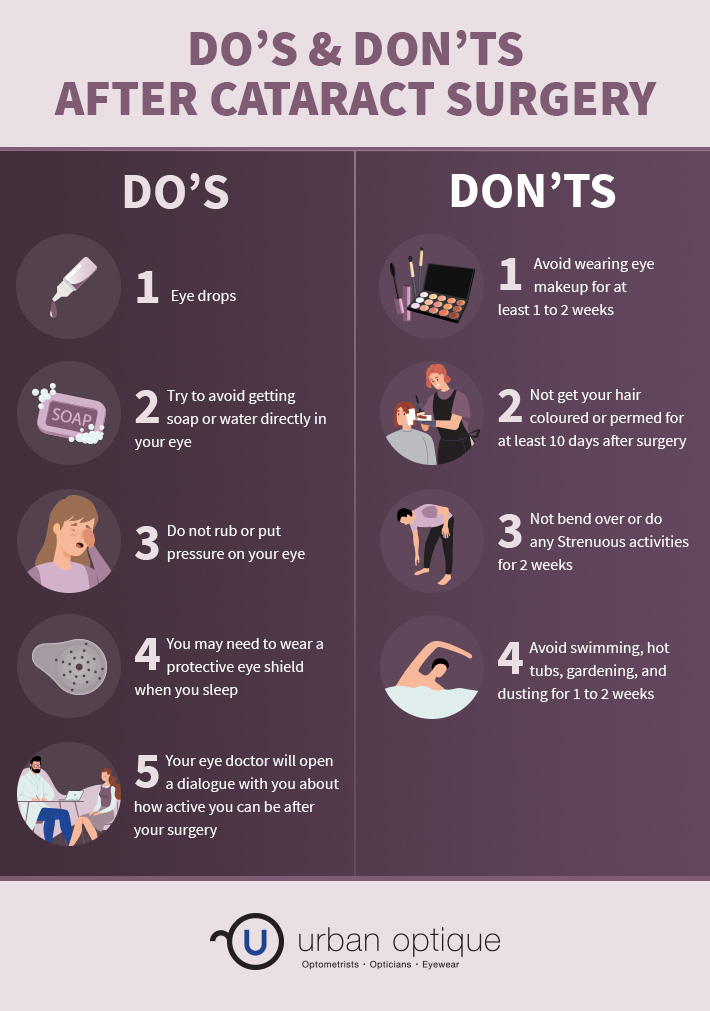
Image Source: urbanoptique.ca
Can I Exercise After Cataract Surgery? Expert Advice for a Smoother Recovery
Yes, you can exercise after cataract surgery, but with careful consideration and following your ophthalmologist’s specific guidance. The ability to resume your physical activity after eye surgery depends on the type of exercise, your individual healing progress, and the post-operative eye care instructions provided by your doctor. Generally, gentle activities can be started soon after surgery, while more strenuous sports after eye surgery require a longer waiting period.
Navigating the period following cataract surgery involves more than just attending follow-up appointments. A crucial aspect often overlooked is the return to an active lifestyle. Many individuals wonder about their ability to continue their fitness routines or start new ones after their vision has been restored. This blog post delves into the specifics of exercising after cataract surgery, offering expert insights to guide you through a safe and effective cataract surgery recovery.
The Importance of Gradual Return to Activity
The primary goal after cataract surgery is to allow your eye to heal properly. Introducing physical activity after eye surgery too soon or too intensely can disrupt this process, potentially leading to complications like inflammation, infection, or even a change in the eye’s internal pressure. This is why adhering to your ophthalmologist’s activity restrictions is paramount.
Ophthalmologist recommendations will vary based on your specific health, the type of cataract surgery performed (e.g., phacoemulsification vs. extracapsular extraction), and any other pre-existing eye conditions. However, the underlying principle remains the same: a phased approach to reintroducing exercise.
Initial Healing Phase: What to Expect
The immediate days following cataract surgery are critical for the eye’s healing process. During this time, your eye is adapting to the new lens implant and recovering from the surgical procedure itself.
- First 24-48 Hours: Focus on rest and minimal physical exertion. Avoid bending over, lifting heavy objects, or any activity that could put pressure on your eye. This is the most crucial period for initial healing.
- First Week: You will likely have a follow-up appointment within this timeframe to assess your healing. Gentle activities like slow walking are often permitted. However, avoid anything that causes jarring movements or significant exertion. The aim is to prevent any undue stress on the surgical site.
- First Few Weeks: As your eye continues to heal, your ophthalmologist will provide more specific guidance on resuming exercise. The focus is on preventing eye strain prevention and ensuring the implant settles correctly.
A Phased Approach to Exercising Post-Cataract Surgery
To help you safely re-engage with your fitness routine, here’s a general guide, always to be confirmed with your eye care professional:
Phase 1: Gentle Activities (Typically Week 1-2)
During this initial phase, the focus is on light, low-impact activities that do not put strain on your eyes or body.
- Walking: Short, leisurely walks are excellent for maintaining circulation and overall well-being. Start with short durations and gradually increase your pace and distance as you feel comfortable.
- Stretching: Gentle stretching routines can help maintain flexibility. Avoid any stretches that involve inversions or putting your head below your heart.
- Stationary Cycling (Low Resistance): If your ophthalmologist approves, a stationary bike with minimal resistance can be a good option. Ensure you are not straining or holding your breath.
Important Considerations for Phase 1:
- Avoid: Bending over, heavy lifting, strenuous activities, and any contact sports.
- Listen to Your Body: If you experience any discomfort, blurriness, or pain, stop immediately and contact your doctor.
Phase 2: Moderate Activities (Typically Week 2-4, or as advised)
As your eye’s healing progresses and you receive clearance from your ophthalmologist, you can gradually introduce more moderate forms of exercise.
- Brisk Walking/Light Jogging: If your initial walks were comfortable, you can increase the intensity.
- Swimming (after incision is fully healed): Many ophthalmologists allow swimming after the first week, provided the surgical incision is completely sealed and there’s no risk of water entering the eye. Ensure you wear swim goggles to protect your eyes.
- Yoga/Pilates (Modified): Gentle forms of yoga and Pilates can be beneficial. However, it’s crucial to avoid inversions, deep forward bends, and holding your breath. Communicate your recovery status with your instructor.
- Light Resistance Training: Using light weights or resistance bands can be reintroduced. Focus on proper form and avoid straining.
Important Considerations for Phase 2:
- Hydration: Stay well-hydrated, as this is crucial for overall recovery.
- Sun Protection: Always wear sunglasses that offer UV protection when outdoors.
Phase 3: Return to Regular Exercise (Typically Week 4-6+, or as advised)
By this stage, most individuals can resume their pre-surgery exercise routines, provided their recovery has been smooth and they have received explicit clearance from their ophthalmologist.
- High-Impact Aerobics: Activities like running, jumping, and high-intensity interval training (HIIT) can generally be resumed.
- Contact Sports: Engaging in sports after eye surgery that involve a risk of eye injury, such as basketball, boxing, or soccer, requires careful consideration. Your ophthalmologist may recommend protective eyewear, such as sports goggles, even after full recovery.
- Weightlifting: More strenuous weightlifting can be continued, always prioritizing proper form and avoiding holding your breath.
- Strenuous Activities: Any activity that significantly raises your heart rate and involves intense physical exertion can typically be resumed.
Important Considerations for Phase 3:
- Protective Eyewear: For sports with a high risk of impact, consider wearing protective eyewear. This is a crucial aspect of long-term post-operative eye care and injury prevention.
- Listen to Your Body: Even when resuming regular activities, it’s essential to continue listening to your body and not push yourself too hard too soon.
Factors Influencing Your Exercise Timeline
Several factors can influence when you can safely resume different types of exercise after cataract surgery. Your ophthalmologist will consider these when providing personalized advice:
- Type of Cataract Surgery: While most modern cataract surgeries are minimally invasive, the specific technique used can influence healing times.
- Your Overall Health: Pre-existing conditions like diabetes or glaucoma can affect healing and may necessitate a more cautious approach to exercise.
- Presence of Complications: If any complications arose during or after surgery, your recovery timeline will be extended.
- Medications: Any eye drops or oral medications you are taking can also play a role.
- Individual Healing Rate: Everyone’s body heals at a different pace.
When to Seek Immediate Medical Attention
While complications are rare, it’s important to be aware of potential warning signs. Contact your ophthalmologist immediately if you experience any of the following:
- Sudden or increasing eye pain
- Significant vision loss or a sudden decrease in vision clarity
- Increased redness or discharge from the eye
- Flashes of light or a sudden increase in floaters
- Swelling around the eye
Maintaining Eye Health During and After Exercise
Proper post-operative eye care extends beyond the immediate recovery period. Continuing good habits can help maintain your vision health in the long term.
- Hydration: Staying hydrated is essential for overall health and can contribute to healthy eye function.
- Nutrition: A balanced diet rich in antioxidants, vitamins, and minerals supports eye health. Foods like leafy greens, fatty fish, citrus fruits, and nuts are beneficial.
- Sun Protection: Even after your eyes have healed, continued use of sunglasses that block UV rays is vital to protect your eyes from sun damage.
- Regular Eye Exams: Continue with your regular ophthalmologist appointments to monitor your eye health and catch any potential issues early.
- Eye Strain Prevention: Be mindful of prolonged screen time or activities that strain your eyes. Take regular breaks and practice the 20-20-20 rule (every 20 minutes, look at something 20 feet away for 20 seconds).
The Role of Vision Correction Guidelines
Your ophthalmologist will provide specific vision correction guidelines based on your surgery and the type of intraocular lens (IOL) implanted. These guidelines might include advice on:
- When to resume driving: This depends on your vision returning to safe driving standards.
- Reading and screen time: You might be advised to limit these initially to prevent eye strain prevention.
- Using reading glasses or bifocals: If your IOL requires it, your doctor will guide you on their use.
Adhering to these guidelines is as important as following the exercise recommendations, as they contribute to the overall success of the surgery and your visual recovery.
Common Questions About Exercise After Cataract Surgery
Here are some frequently asked questions that can provide further clarity:
FAQ Section
Q1: Can I lift weights after cataract surgery?
A1: You can typically resume weightlifting after several weeks, usually around the 4-week mark or as advised by your ophthalmologist. Start with lighter weights and focus on proper form to avoid straining. Avoid holding your breath (Valsalva maneuver) as this can increase intraocular pressure.
Q2: Is it safe to swim after cataract surgery?
A2: Most doctors allow swimming after the first week, provided the incision is fully healed and you wear protective goggles. Ensure no chlorinated water or debris enters your eye.
Q3: How long should I wait before running again?
A3: Light jogging or running can usually be resumed after 2-4 weeks, depending on your individual recovery and your ophthalmologist’s clearance. Listen to your body and start with shorter durations and less intense runs.
Q4: What should I do if I feel eye strain after exercising?
A4: If you experience eye strain, blurred vision, or discomfort after exercise, stop the activity. Rest your eyes, ensure you are well-hydrated, and if symptoms persist, contact your ophthalmologist. This could indicate you are doing too much too soon.
Q5: Can I go to the gym after cataract surgery?
A5: Yes, but you will need to be selective about the machines and activities you use initially. Focus on low-impact cardiovascular exercises and light resistance training as per your doctor’s advice. Avoid exercises that involve heavy lifting or putting your head below your heart in the early stages.
Q6: Are there any exercises I should definitely avoid after cataract surgery?
A6: Generally, avoid exercises that involve jarring movements, heavy lifting, inversions (like headstands in yoga), or any activity with a high risk of direct eye trauma in the initial weeks. Always refer to your ophthalmologist’s specific activity restrictions.
Q7: Do I need special eye protection for sports after surgery?
A7: For sports after eye surgery that carry a risk of impact to the face or eyes (e.g., basketball, racquetball, martial arts), it is highly recommended to wear protective eyewear, such as polycarbonate sports goggles, even after you have fully recovered. This is a critical measure for preventing future eye injuries.
Q8: How important is post-operative eye care for resuming exercise?
A8: Post-operative eye care is crucial. Following your doctor’s instructions regarding eye drops, hygiene, and activity restrictions ensures proper healing process and minimizes the risk of complications, directly impacting how quickly and safely you can resume your exercise routine.
By following these guidelines and maintaining open communication with your ophthalmologist, you can safely and effectively return to your active lifestyle after cataract surgery, enjoying the improved vision that the procedure provides. Remember, patience and adherence to medical advice are your best allies in a successful recovery.