
Building a gym can cost anywhere from $50,000 to over $500,000, depending on whether you’re creating a small home gym or a large commercial fitness center. This guide will help you decipher the total gym construction costs and provide a clear fitness center budget breakdown for your venture.
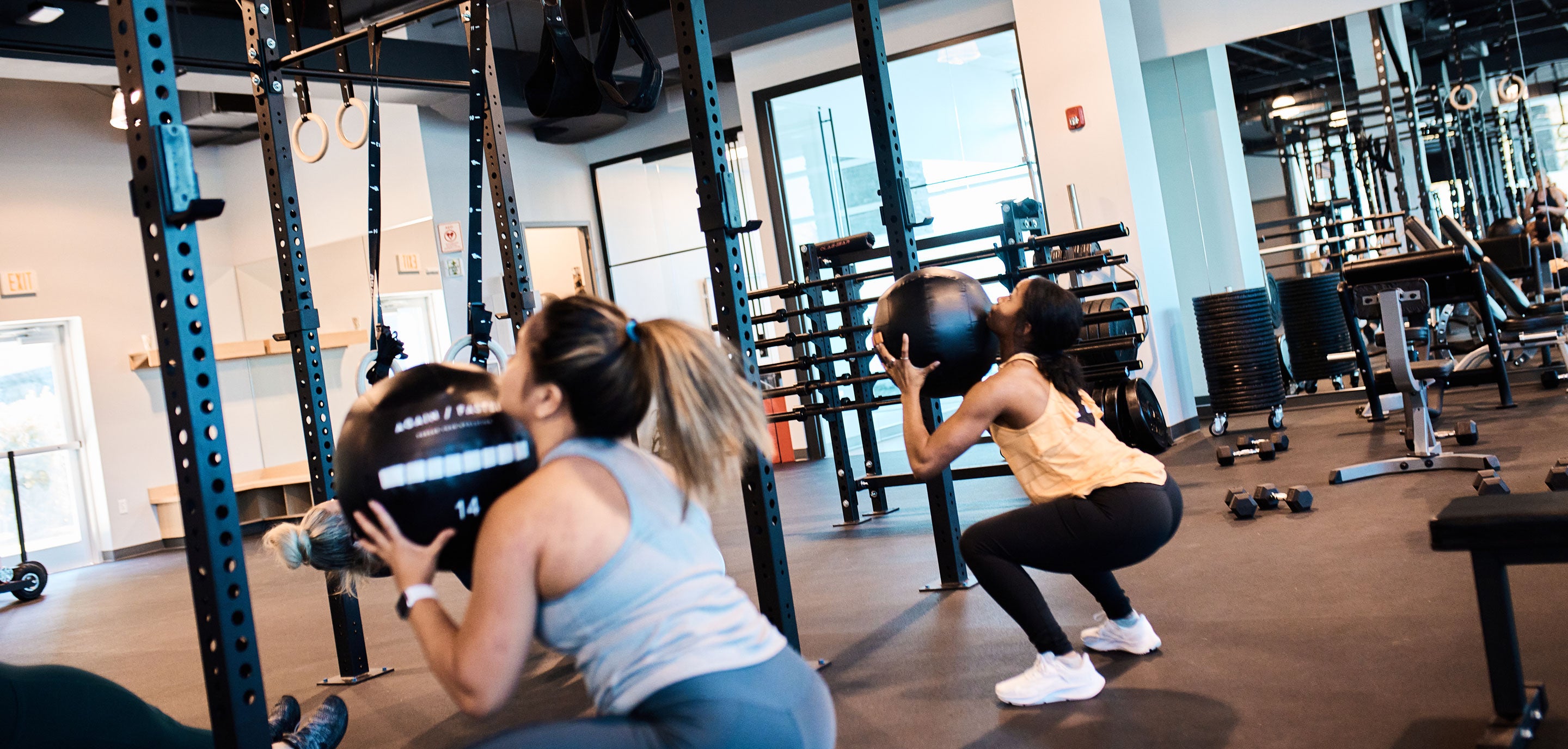
Image Source: www.againfaster.com
Fathoming the Total Investment: A Comprehensive Overview
Embarking on the journey to build a gym, whether it’s a personal sanctuary or a community hub, involves a significant financial commitment. The cost to build a gym is not a one-size-fits-all figure; it’s a mosaic pieced together by various factors, each contributing to the final price tag. From the initial spark of an idea to the grand opening, every decision impacts your fitness center budget. This guide aims to equip you with the knowledge to navigate these expenses, ensuring your dream fitness space becomes a tangible reality without unwelcome financial surprises.
The Pillars of Gym Construction Costs
Several core elements dictate the overall cost of building a gym. These are the foundational components that demand careful planning and budgeting.
Location, Location, Location: The Real Estate Factor
The cost of securing a physical space is often the most substantial initial expense. Whether you’re buying or leasing, the price varies wildly based on geographic location, size, and condition of the property.
- Leasing: Monthly rent is an ongoing expense. Consider the lease terms, tenant improvement allowances (money the landlord contributes to renovations), and the impact of your location on future gym membership pricing.
- Buying: A larger upfront investment, but you build equity. Property taxes, insurance, and maintenance are ongoing.
Building a Home Gym: Personal Space, Personal Costs
For those looking to build a home gym, the expenses are generally more contained, focusing on space preparation and equipment.
- Space: Do you have a dedicated room, a garage, or basement space? Renovations like flooring, insulation, and lighting can add up.
- Equipment: This is where the bulk of the home gym cost lies. The range of gym equipment pricing is vast.
Commercial Gym Startup Costs: Scaling Up Your Vision
Commercial gyms require a much larger investment. These costs extend beyond just the physical space and equipment.
- Rent/Purchase: As mentioned, commercial real estate is a significant expenditure.
- Renovations and Build-Out: Transforming a raw space into a functional gym involves structural changes, electrical work, plumbing, and aesthetic finishes. These gym renovation expenses are critical.
- Permits and Licenses: Legal requirements add to the initial outlay.
- Marketing and Branding: Getting your name out there costs money.
Deciphering the Design and Layout: Crafting Your Fitness Environment
The gym design and layout are crucial for functionality, member experience, and safety. A well-designed space maximizes equipment utilization and creates an inviting atmosphere.
Space Planning and Flow
- Zoning: Different areas for cardio, weight training, group classes, and reception need designated spaces.
- Equipment Placement: Adequate spacing between machines is essential for safety and comfort.
- Circulation: Ensuring smooth movement of people throughout the gym is key.
Essential Areas to Consider:
- Reception and Waiting Area: First impressions matter.
- Workout Zones: Cardio, free weights, strength machines, functional training.
- Locker Rooms and Restrooms: Cleanliness and amenities are paramount.
- Office Space: For administration and management.
- Storage: For equipment, cleaning supplies, and personal belongings.
The Cost to Equip a Gym: Filling Your Space with Muscle and Machines
Gym equipment pricing is a major component of any fitness center budget. The type, brand, and quantity of equipment you choose will significantly influence your total investment.
Cardio Equipment: The Engine of Your Gym
- Treadmills: $1,500 – $10,000+ each
- Ellipticals: $1,000 – $8,000+ each
- Stationary Bikes (Upright, Recumbent, Spin): $500 – $5,000+ each
- Rowing Machines: $800 – $3,000+ each
- Stair Climbers: $3,000 – $10,000+ each
Strength Training Equipment: Building Brawn
- Weight Machines (Selectorized): $2,000 – $8,000+ per unit
- Free Weights (Dumbbells, Barbells, Plates): $1 – $3 per pound
- Weight Benches: $200 – $1,000+ each
- Power Racks and Squat Racks: $500 – $3,000+ each
- Cable Machines (Functional Trainers): $2,000 – $8,000+ each
Functional Fitness and Accessories: Versatility and Variety
- Kettlebells: $2 – $4 per pound
- Resistance Bands: $10 – $50+ per set
- Battle Ropes: $50 – $200+ each
- Medicine Balls: $20 – $100+ each
- Plyometric Boxes: $100 – $400+ each
- TRX/Suspension Trainers: $100 – $300+ each
Flooring: The Foundation of Your Workout
The right flooring protects your equipment, your members, and your subfloor.
- Rubber Flooring (Tiles or Rolls): $2 – $8 per square foot
- Interlocking Mats: $1 – $5 per square foot
- Specialty Flooring (e.g., for CrossFit): Can be more expensive.
The Cost of Operations: Keeping the Doors Open
Beyond the initial build, ongoing operational costs are vital for sustained success and influencing gym membership pricing.
Staffing: The Human Element
- Membership Sales Staff:
- Front Desk Staff:
- Personal Trainers:
- Group Fitness Instructors:
- Cleaning and Maintenance Staff:
Utilities: Powering Your Fitness Hub
- Electricity: For lighting, equipment, and HVAC.
- Water: For restrooms and cleaning.
- Internet and Phone:
Marketing and Advertising: Reaching Your Audience
- Online Advertising (Social Media, Google Ads):
- Local Partnerships:
- Print Materials:
Insurance and Legal Fees: Protecting Your Investment
- General Liability Insurance:
- Workers’ Compensation Insurance:
- Business Licenses and Permits:
Software and Technology: Streamlining Operations
- Membership Management Software:
- Booking Systems:
- POS Systems:
Estimating Your Fitness Center Budget: A Sample Breakdown
To provide a clearer picture, let’s consider a hypothetical medium-sized commercial gym (5,000 sq ft) in a moderately priced urban area.
Table: Estimated Commercial Gym Startup Costs
| Category | Estimated Cost Range ($) | Notes |
|---|---|---|
| Real Estate | ||
| Lease Deposit/Down Payment | 10,000 – 50,000 | Varies by location and lease terms. |
| Construction & Renovation | ||
| Permits & Licenses | 2,000 – 10,000 | Varies by municipality. |
| Interior Build-Out | 50,000 – 200,000+ | Walls, flooring, painting, lighting, HVAC modifications. |
| Locker Rooms/Restrooms | 15,000 – 75,000+ | Fixtures, tiling, plumbing. |
| Gym Equipment | ||
| Cardio Equipment | 50,000 – 150,000+ | A mix of treadmills, ellipticals, bikes, etc. |
| Strength Equipment | 75,000 – 200,000+ | Machines, free weights, racks, benches. |
| Functional Training Gear | 10,000 – 30,000+ | Kettlebells, bands, ropes, medicine balls. |
| Furniture & Fixtures | ||
| Reception Desk & Seating | 2,000 – 10,000 | |
| Locker Room Furnishings | 5,000 – 20,000 | Lockers, benches. |
| Technology & Software | ||
| Membership Software | 1,000 – 5,000 (initial) | Plus monthly fees. |
| POS System | 500 – 2,000 | |
| Initial Operations | ||
| Initial Marketing & Signage | 5,000 – 20,000 | |
| Initial Staff Training | 1,000 – 5,000 | |
| Contingency Fund (15-20%) | 30,000 – 150,000 | Essential for unexpected costs. |
| Total Estimated Range | 244,500 – 937,000+ | This is a broad estimate and can vary significantly. |
Note: This table provides a general estimate. Actual costs will depend heavily on your specific choices, location, and negotiations.
Fitness Studio Startup: A Niche Approach
A fitness studio, focusing on a specific discipline like yoga, Pilates, or cycling, often has lower startup costs compared to a full-service gym, but the cost to equip a gym is still a significant factor.
- Specialized Equipment: Yoga mats, blocks, straps; Pilates reformers; cycling bikes.
- Smaller Space: Often requires less square footage.
- Fewer Staff: Can operate with a smaller team.
- Gym Membership Pricing: Can be higher per class due to specialization and perceived value.
The Art of the Deal: Saving Money on Gym Construction Costs
Several strategies can help reduce your overall gym construction costs.
Smart Equipment Acquisition
- Buy Used Equipment: Many gyms upgrade their equipment and sell their older, but still functional, machines. Thoroughly inspect used equipment before purchasing.
- Lease Equipment: Leasing can lower upfront costs, but it’s a long-term expense.
- Bundle Deals: Negotiate with equipment suppliers for package discounts.
- Consider Refurbished Equipment: Reputable companies offer certified refurbished equipment that’s significantly cheaper than new.
Strategic Renovation
- Phased Build-Out: If budget is tight, prioritize essential areas and plan future upgrades.
- DIY Where Possible: For non-structural or non-electrical tasks, consider doing some work yourself or with friends.
- Negotiate with Contractors: Get multiple quotes and negotiate prices.
Location Savings
- Look for Spaces with Existing Infrastructure: Spaces that already have good HVAC, plumbing, and electrical can save on build-out costs.
- Consider Less Trendy Areas: Areas outside prime real estate hubs may offer lower lease or purchase prices.
Gym Membership Pricing: Aligning Costs with Revenue
Your gym membership pricing needs to reflect the quality of your facility, the services offered, and the prevailing market rates.
- Tiered Memberships: Offer different price points based on access (e.g., basic access, all-inclusive, premium with classes).
- Personal Training Packages: An additional revenue stream.
- Class Drop-In Rates: For non-members or those with limited access.
- Competitive Analysis: Research what other gyms in your area are charging.
Frequently Asked Questions (FAQ)
Q1: What is the average cost to build a small commercial gym?
A1: The average cost to build a small commercial gym (around 3,000-5,000 sq ft) can range from $150,000 to $400,000, depending on location, equipment quality, and renovation needs.
Q2: How much does gym equipment cost for a 10,000 sq ft gym?
A2: For a 10,000 sq ft gym, the cost to equip it can range from $100,000 to $300,000 or more, depending on the mix of cardio, strength, and functional equipment, as well as the brands chosen.
Q3: Can I build a functional home gym for under $1,000?
A3: Yes, you can build a very basic functional home gym for under $1,000 by focusing on essential, versatile pieces like resistance bands, a kettlebell, a jump rope, and a pull-up bar.
Q4: What are the biggest expenses when building a gym?
A4: The biggest expenses are typically real estate (lease or purchase), gym equipment, and construction/renovations.
Q5: How much should I budget for gym renovation expenses?
A5: Gym renovation expenses can vary dramatically. For a basic refresh, it might be $10,000-$30,000. For a complete gut and build-out, it could be $50,000 to $200,000+.
Q6: What are the ongoing costs of running a gym?
A6: Ongoing costs include rent/mortgage, utilities, staff salaries, insurance, marketing, equipment maintenance, and cleaning supplies.
Q7: How does gym design and layout impact costs?
A7: A well-planned gym design can optimize space usage and minimize wasted areas, potentially reducing the need for more expensive build-outs. Poor layout can lead to inefficient use of space and higher renovation costs to correct.
Q8: What is a realistic fitness studio startup cost for a yoga studio?
A8: A realistic fitness studio startup cost for a yoga studio can range from $20,000 to $100,000, depending on the size, location, and amount of specialized equipment required.
In conclusion, building a gym is a significant undertaking, but with meticulous planning and a thorough understanding of the associated costs, you can transform your vision into a thriving fitness enterprise. By carefully considering each element, from the initial gym construction costs to ongoing operational expenses, you can create a successful and sustainable fitness center.