
Can you open your own gym with no money? While starting a gym with absolutely zero capital is extremely difficult, it’s possible to launch with minimal personal investment by securing loans, seeking investors, or starting with a smaller, more focused operation like a personal training studio setup. This guide will walk you through the essential steps for turning your fitness passion into a thriving business.
Embarking on a gym startup journey is an exciting but complex undertaking. It requires careful planning, dedicated effort, and a solid understanding of the fitness industry. Whether you envision a large-scale fitness center or a boutique personal training studio setup, the foundational principles remain the same: create a valuable service, attract and retain clients, and manage your operations efficiently. This comprehensive guide will equip you with the knowledge to navigate the path to opening your own gym successfully.
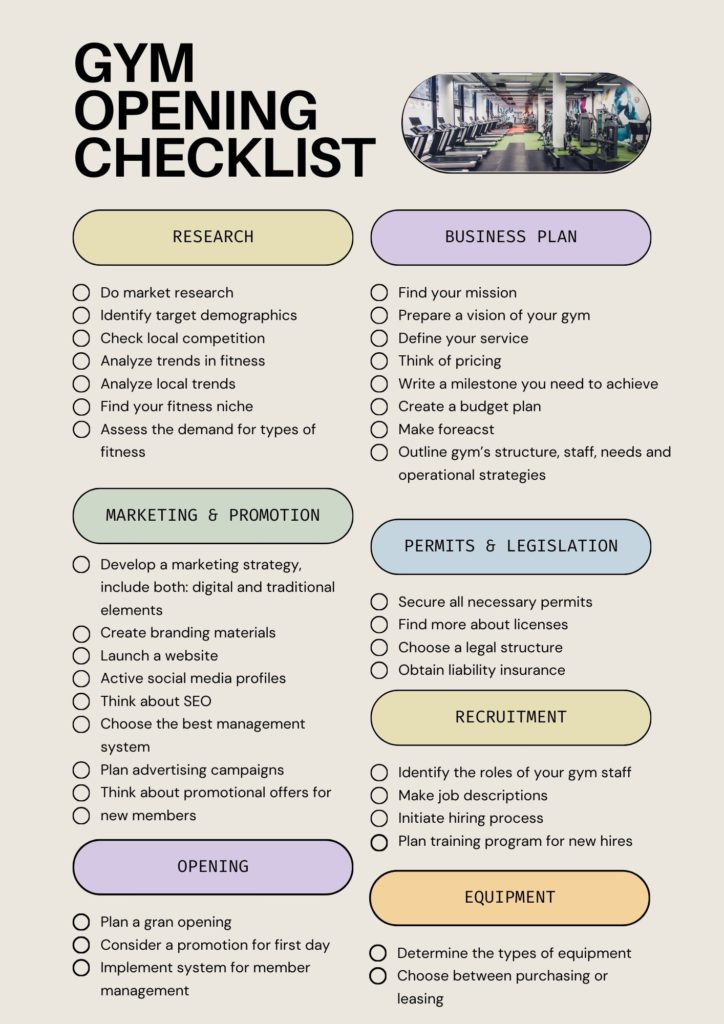
Image Source: wod.guru
Laying the Groundwork: Your Fitness Business Plan
The cornerstone of any successful business, including a gym, is a well-crafted fitness business plan. This document serves as your roadmap, outlining your goals, strategies, and financial projections. It’s crucial for attracting investors, securing funding, and keeping your business on track.
Key Components of Your Fitness Business Plan
Your gym legal requirements will be addressed here, but before you even think about permits, you need a robust plan.
- Executive Summary: A brief overview of your entire plan, highlighting your mission, vision, and key objectives.
- Company Description: Detail your gym’s concept, its mission, and what makes it unique.
- Market Analysis: Research your target audience, competitors, and the overall fitness market in your chosen location.
- Target Market: Who are your ideal clients? (e.g., busy professionals, young families, athletes, seniors).
- Competitive Analysis: Identify your direct and indirect competitors. Analyze their strengths, weaknesses, pricing, and marketing efforts.
- Industry Trends: Stay updated on the latest fitness trends and consumer preferences.
- Organization and Management: Outline your business structure (sole proprietorship, LLC, etc.) and the management team.
- Services and Products: Detail the types of memberships, classes, personal training, and any other offerings you’ll provide.
- Marketing and Sales Strategy: How will you attract and retain members?
- Financial Projections: This is a critical section.
- Startup Costs: Itemize all expenses needed to open your doors.
- Revenue Projections: Forecast your income based on membership sales, class fees, and other revenue streams.
- Profit and Loss Statement: Project your profitability over a specific period.
- Cash Flow Statement: Track the movement of money in and out of your business.
- Break-Even Analysis: Determine when your revenue will cover your expenses.
- Appendix: Include supporting documents like resumes, market research data, and letters of intent.
Securing the Capital: Gym Financing Options
Starting a gym requires significant financial investment. Exploring various gym financing options is essential to gather the necessary capital.
Common Gym Financing Options
- Personal Savings: Using your own money shows commitment and can reduce the amount you need to borrow.
- Small Business Loans: Banks and credit unions offer loans specifically for small businesses. You’ll need a strong business plan and good credit.
- SBA Loans: The Small Business Administration (SBA) guarantees loans made by traditional lenders, often with more favorable terms.
- Angel Investors/Venture Capitalists: If you have a scalable and potentially high-growth business model, investors may provide capital in exchange for equity.
- Crowdfunding: Platforms like Kickstarter or Indiegogo can be used to raise funds from a large number of individuals, often by offering rewards.
- Equipment Leasing: Instead of buying all your equipment upfront, you can lease it, which spreads the cost over time and reduces initial capital outlay.
Finding Your Space: Location, Location, Location
The physical location of your gym is a major factor in its success.
Factors to Consider When Choosing a Location
- Visibility and Accessibility: Is the location easily seen and reached by your target market?
- Foot Traffic: High foot traffic can be a great source of walk-in customers.
- Parking: Adequate and convenient parking is crucial for member convenience.
- Demographics: Does the area’s population match your target market?
- Competition: How many other gyms are in the vicinity?
- Lease Terms: Negotiate favorable lease terms that align with your financial projections.
- Size and Layout: Ensure the space is large enough to accommodate your equipment, class areas, and amenities.
- Zoning Regulations: Check local zoning laws to ensure your gym is permitted in the chosen location.
Gearing Up: Acquiring Gym Equipment
The right gym equipment suppliers can make a significant difference in the quality and durability of your fitness machines. Investing in quality equipment is an investment in your members’ experience and the longevity of your business.
Types of Gym Equipment to Consider
- Cardiovascular Equipment: Treadmills, ellipticals, stationary bikes, rowing machines.
- Strength Training Equipment: Free weights (dumbbells, barbells, plates), weight machines, resistance bands.
- Functional Training Equipment: Kettlebells, medicine balls, TRX suspension trainers, plyometric boxes.
- Cardio Accessories: Jump ropes, agility ladders, resistance bands.
- Flooring: Durable, shock-absorbent flooring is essential for safety and comfort.
- Other Amenities: Towels, water coolers, lockers, sound system.
When selecting gym equipment suppliers, consider:
- Reputation and Reliability: Look for suppliers with a proven track record.
- Quality and Durability: Invest in equipment that can withstand heavy use.
- Price and Payment Options: Compare pricing and inquire about financing or leasing options.
- Warranty and After-Sales Support: Ensure you have support for maintenance and repairs.
- Delivery and Installation: Confirm their delivery and installation services.
Building Your Identity: Gym Branding
Effective gym branding is about creating a distinct identity that resonates with your target audience and sets you apart from the competition.
Elements of Strong Gym Branding
- Gym Name: Memorable, relevant, and easy to pronounce.
- Logo: A visually appealing and easily recognizable symbol.
- Color Palette: Consistent use of colors across all your marketing materials.
- Slogan/Tagline: A concise phrase that captures your gym’s essence.
- Mission Statement: Your core purpose and values.
- Brand Voice: The tone and style of your communication.
Your gym branding should be reflected in everything from your signage and website to your social media presence and staff uniforms. A strong brand fosters loyalty and trust.
Attracting Members: Fitness Marketing Strategies
Even with the best facilities, you need effective fitness marketing strategies to bring members through your doors.
Key Fitness Marketing Strategies
- Digital Marketing:
- Website: Professional, mobile-friendly, and informative. Include class schedules, membership options, and trainer bios.
- Search Engine Optimization (SEO): Optimize your website to rank higher in search results for relevant keywords (e.g., “gym near me,” “personal training [your city]”).
- Social Media Marketing: Engage with your audience on platforms like Instagram, Facebook, and TikTok. Share workout tips, member testimonials, and behind-the-scenes content.
- Online Advertising: Use Google Ads and social media ads to reach a wider audience.
- Email Marketing: Build an email list and send newsletters with promotions, updates, and valuable content.
- Local Marketing:
- Grand Opening Event: Generate buzz and attract initial members.
- Community Partnerships: Collaborate with local businesses, schools, or sports teams.
- Flyers and Local Advertising: Distribute promotional materials in your neighborhood.
- Referral Programs: Incentivize current members to bring in new clients.
- Content Marketing:
- Blog: Share articles on fitness, nutrition, and wellness.
- Videos: Create workout tutorials, exercise demonstrations, and motivational content.
The Back Office: Gym Legal Requirements and Operations
Navigating gym legal requirements is crucial to operate legally and avoid potential liabilities.
Essential Legal Aspects to Address
- Business Registration: Register your business name and choose a legal structure (LLC, S-corp, etc.).
- Licenses and Permits: Obtain necessary local, state, and federal licenses and permits.
- Insurance:
- General Liability Insurance: Covers accidents and injuries on your premises.
- Professional Liability Insurance (Errors & Omissions): Protects personal trainers and instructors.
- Workers’ Compensation Insurance: Covers employees in case of on-the-job injuries.
- Contracts and Waivers:
- Membership Agreements: Clearly outline terms, conditions, and payment policies.
- Liability Waivers: Members should sign a waiver acknowledging the risks associated with exercise.
- Health and Safety Regulations: Comply with all health and safety standards.
- Employment Laws: If you hire staff, adhere to labor laws regarding wages, working conditions, and anti-discrimination.
Streamlining Operations: Fitness Facility Management and Software
Efficient fitness facility management is key to smooth operations and member satisfaction.
Essential Management Practices and Tools
- Staffing: Hire qualified and motivated trainers and support staff.
- Scheduling: Create class schedules that cater to member demand.
- Inventory Management: Keep track of supplies like cleaning products, towels, and water.
- Facility Maintenance: Ensure your gym is clean, safe, and well-maintained.
- Customer Service: Provide excellent customer service to build strong member relationships.
Gym Membership Software is invaluable for managing your gym efficiently.
Key Features of Gym Membership Software
- Member Management: Track member details, payment history, and attendance.
- Billing and Payments: Automate membership billing and payment processing.
- Class Scheduling and Booking: Allow members to book classes online.
- Point of Sale (POS): Manage sales of merchandise, personal training sessions, and other services.
- Reporting and Analytics: Generate reports on membership growth, revenue, and client engagement.
- Marketing Tools: Some software includes email marketing and communication features.
Examples of popular gym membership software include Mindbody, Glofox, and Trainerize.
Offering Specialized Services: Personal Training Studio Setup
If you’re considering a more focused approach, a personal training studio setup can be an excellent starting point. These studios typically offer a more personalized and intimate fitness experience.
Considerations for a Personal Training Studio
- Niche Specialization: Focus on a specific training style (e.g., strength and conditioning, Pilates, yoga).
- Smaller Facility: Requires less space and lower overhead compared to a large gym.
- Qualified Trainers: Essential to have certified and experienced personal trainers.
- Equipment: Focus on specialized equipment relevant to your niche.
- Client Relationships: Build strong, personalized relationships with clients.
- Marketing: Target clients seeking specialized training and personalized attention.
Growth and Evolution: Scaling Your Gym Business
Once your gym is established, consider strategies for growth and evolution.
Strategies for Scaling Your Gym Business
- Introduce New Classes and Services: Keep your offerings fresh and exciting.
- Expand Your Facility: If demand is high, consider a larger space or additional locations.
- Offer Online Training: Supplement in-person training with online coaching options.
- Develop a Loyalty Program: Reward long-term members.
- Merchandise: Sell branded apparel, water bottles, and supplements.
- Corporate Wellness Programs: Partner with local businesses to offer fitness programs to their employees.
Frequently Asked Questions (FAQ)
Q1: How much money do I need to open a gym?
A1: The cost varies greatly depending on the size, location, and amenities. A small personal training studio setup might cost $10,000-$50,000, while a larger, full-service gym could range from $100,000 to over $1 million.
Q2: What are the most important aspects of a fitness business plan?
A2: The most critical elements are a thorough market analysis, detailed financial projections, and a clear marketing and sales strategy. These sections will demonstrate viability to lenders and investors.
Q3: How do I choose the right gym equipment suppliers?
A3: Look for reputable suppliers with a history of quality products, good warranties, and reliable after-sales support. Compare pricing and consider leasing options to manage initial costs.
Q4: What kind of insurance do I need for my gym?
A4: You will need general liability insurance, professional liability insurance for trainers, and workers’ compensation insurance if you have employees.
Q5: How can gym membership software help my business?
A5: Gym membership software streamlines operations by managing member data, automating billing, facilitating class bookings, and providing valuable insights through reporting and analytics.
Q6: What are some effective fitness marketing strategies for a new gym?
A6: Focus on a strong online presence (website, social media, SEO), local partnerships, grand opening events, and referral programs to attract your initial members.
Q7: What are the basic gym legal requirements I must meet?
A7: Key gym legal requirements include business registration, obtaining necessary licenses and permits, understanding zoning laws, and having members sign liability waivers and membership agreements.
Q8: What are the best gym financing options for a startup?
A8: Depending on your financial situation and business plan, options include personal savings, SBA loans, traditional bank loans, and potentially angel investors or crowdfunding.
Q9: How is setting up a personal training studio different from opening a full-service gym?
A9: A personal training studio setup is generally smaller, requires less equipment, has lower overhead, and focuses on a more niche, personalized client experience, whereas a full-service gym caters to a broader range of fitness needs and often involves larger facilities and more diverse equipment.
Q10: What is fitness facility management?
A10: Fitness facility management encompasses all the daily operations of your gym, including staff management, facility maintenance, member services, scheduling, and ensuring compliance with health and safety regulations.
Opening your own gym is a challenging but incredibly rewarding venture. By meticulously planning, securing adequate funding, investing in quality equipment and branding, and implementing effective marketing and management strategies, you can build a successful fitness business that positively impacts your community. Remember to continuously adapt and evolve to meet the changing needs of your members and the dynamic fitness industry.