
Can you become addicted to fitness? Yes, you can cultivate a healthy addiction to fitness by focusing on positive reinforcement, gradual progression, and finding joy in movement, transforming exercise into a fulfilling part of your daily life.
Many people dream of a healthy lifestyle, one filled with energy, confidence, and a strong body. But how do you actually get there? It’s not just about occasional bursts of effort; it’s about building a sustainable fitness habit. What if you could feel genuinely excited about your next workout? What if the gym or your chosen physical activity became a place you wanted to be, not just a chore? This isn’t about harsh discipline; it’s about unlocking your potential by fostering a true passion for movement. Let’s dive into how to cultivate that powerful, positive addiction to fitness.
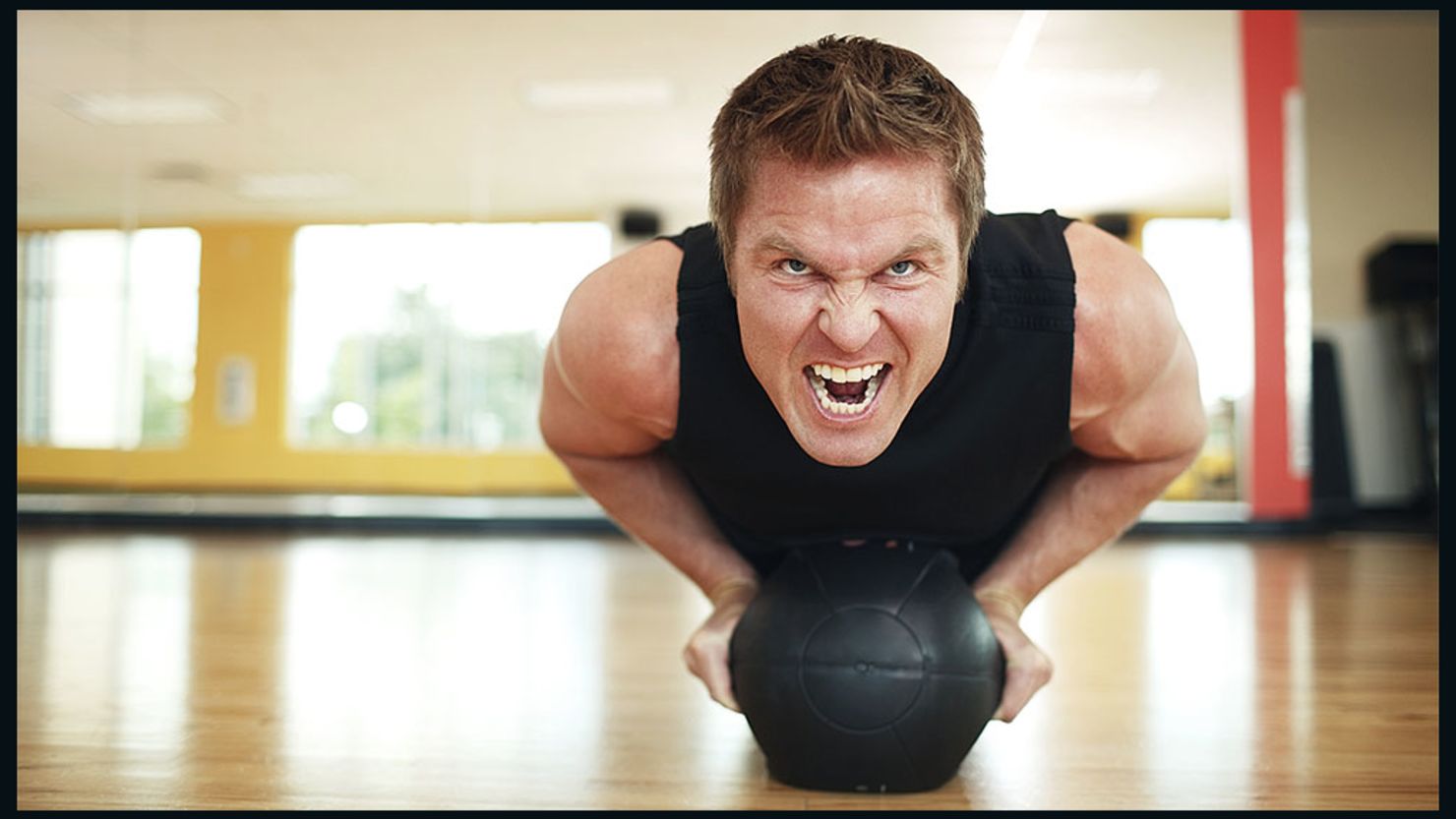
Image Source: media.cnn.com
Building a Foundation for a Fitness Habit
The journey to a true fitness addiction starts with laying a solid groundwork. It’s about more than just showing up; it’s about creating an environment and mindset where exercise feels less like an obligation and more like a reward.
Setting Clear Fitness Goals
Before you can get hooked, you need to know what you’re aiming for. Vague intentions rarely lead to lasting change.
SMART Goal Setting
Your fitness goals should be:
- Specific: What exactly do you want to achieve? (e.g., run a 5k, lift 100 lbs, lose 10 lbs).
- Measurable: How will you track progress? (e.g., distance, weight, body fat percentage).
- Achievable: Is this goal realistic for your current level?
- Relevant: Does this goal align with your overall aspirations for a healthy lifestyle?
- Time-bound: When do you aim to achieve this by?
Visualizing Success
Imagine yourself achieving your fitness goals. How will it feel? What will change? This mental rehearsal can be a powerful form of exercise motivation.
Making Fitness Enjoyable
This is arguably the most crucial step. If you dread every moment, it’s impossible to build a healthy addiction.
Finding Activities You Love
The term “fitness” is broad. It encompasses so much more than just lifting weights or running on a treadmill. Explore different forms of physical activity until you find something that sparks joy.
- Dance: Zumba, hip-hop, ballet, or even just dancing around your living room.
- Team Sports: Basketball, soccer, volleyball – the camaraderie can be a huge motivator.
- Outdoor Adventures: Hiking, cycling, kayaking, rock climbing.
- Martial Arts: Karate, Jiu-Jitsu, Muay Thai offer discipline and self-defense skills.
- Yoga and Pilates: Focus on flexibility, strength, and mindfulness.
- Swimming: A low-impact, full-body workout.
Music and Podcasts
Create playlists that pump you up or choose podcasts that capture your interest. Your workout soundtrack can significantly impact your mood and energy levels, boosting your exercise motivation.
Workout Buddies
Exercising with a friend can add a social element, making workouts more fun and increasing your commitment. Knowing someone is waiting for you can be a strong motivator for training consistency.
The Science Behind “Addiction” and Motivation
While we use the term “addiction” loosely for fitness, it’s rooted in powerful psychological and physiological mechanisms. Understanding these can help you harness them.
Dopamine and Endorphins: The Feel-Good Chemicals
When you engage in physical activity, your brain releases neurotransmitters like dopamine and endorphins.
- Dopamine: Associated with pleasure, reward, and motivation. It makes you feel good when you achieve something, reinforcing the behavior.
- Endorphins: Often called “runner’s high,” these act as natural painkillers and mood elevators. They can reduce stress and anxiety, making you feel euphoric after a challenging session.
This chemical cocktail is a primary driver behind forming a fitness habit. The more you exercise, the more your brain associates it with positive feelings.
Neuroplasticity: Rewiring Your Brain
Your brain is incredibly adaptable. With consistent physical activity, your brain can actually change its structure and function, making exercise feel more natural and less effortful over time. This is how you move from forcing yourself to do a workout routine to eagerly anticipating it.
Building Momentum: The Power of Consistency
Training consistency is key to developing any habit, and fitness is no exception. The more regularly you engage in physical activity, the stronger the neural pathways become, making it easier to stick to your workout routine.
The 21/90 Rule (Myth vs. Reality)
The popular notion that it takes 21 days to form a habit is largely a myth. While it’s a good starting point, research suggests it can take anywhere from 18 to 254 days, with an average of 66 days, to form a new habit. The important takeaway is that consistency over a significant period is what truly solidifies a fitness habit.
Overcoming the Initial Hurdles
The first few weeks of a new workout routine are often the hardest. Your body is adjusting, and your brain is still learning to associate exercise with positive outcomes. Push through this initial phase, and the rewards will start to become more apparent.
Crafting Your Ultimate Workout Routine
A well-structured workout routine is essential for progress and enjoyment. It should challenge you without overwhelming you, and it should be varied enough to prevent boredom.
Progressive Overload: The Key to Improvement
To keep seeing results and feeling that sense of accomplishment, you need to gradually increase the demands on your body. This principle, known as progressive overload, is fundamental to any effective training consistency.
Methods of Progressive Overload:
- Increase Weight: Lift heavier weights.
- Increase Repetitions: Do more reps with the same weight.
- Increase Sets: Add more sets to your exercises.
- Decrease Rest Time: Shorten the rest periods between sets.
- Increase Frequency: Exercise more often per week.
- Improve Technique: Focus on perfect form for greater muscle activation.
- Increase Range of Motion: Move through a fuller range of motion.
Balancing Different Types of Training
A comprehensive workout routine often includes a mix of cardiovascular exercise, strength training, and flexibility work.
Cardiovascular Exercise
This improves heart health, burns calories, and boosts endurance. Aim for at least 150 minutes of moderate-intensity or 75 minutes of vigorous-intensity aerobic activity per week.
| Activity | Intensity | Benefits |
|---|---|---|
| Brisk Walking | Moderate | Heart health, calorie burning, low impact |
| Running/Jogging | Vigorous | Cardiovascular strength, endurance, calorie burn |
| Cycling | Moderate/Vigorous | Leg strength, cardiovascular health, low impact |
| Swimming | Moderate/Vigorous | Full-body workout, low impact, endurance |
| Dancing | Moderate/Vigorous | Fun, coordination, cardiovascular health |
Strength Training
This builds muscle mass, increases metabolism, and improves bone density. Aim for at least two days of strength training per week, targeting all major muscle groups.
Sample Full-Body Strength Routine:
- Squats: 3 sets of 8-12 reps
- Push-ups: 3 sets, as many reps as possible (AMRAP)
- Dumbbell Rows: 3 sets of 10-15 reps per arm
- Overhead Press: 3 sets of 8-12 reps
- Plank: 3 sets, hold for 30-60 seconds
- Lunges: 3 sets of 10-12 reps per leg
Flexibility and Mobility
Crucial for injury prevention, improved posture, and better movement. Incorporate stretching, foam rolling, or yoga into your routine.
Periodization: Varying Your Training
To avoid plateaus and burnout, consider periodization – strategically varying the intensity, volume, and type of training over weeks or months. This can also help you reach specific fitness goals more effectively.
Fueling Your Fitness Journey: Nutrition and Recovery
Your healthy lifestyle isn’t just about the workout; it’s also about what you put into your body and how you allow it to recover.
Nutrition for Performance and Recovery
What you eat significantly impacts your energy levels, muscle repair, and overall progress.
Macronutrients
- Protein: Essential for muscle repair and growth. Sources include lean meats, fish, eggs, dairy, beans, and tofu.
- Carbohydrates: Provide energy for workouts. Choose complex carbs like whole grains, fruits, and vegetables.
- Fats: Important for hormone production and energy. Opt for healthy fats from avocados, nuts, seeds, and olive oil.
Hydration
Drinking enough water is critical for performance, temperature regulation, and nutrient transport.
Pre- and Post-Workout Nutrition
- Pre-workout: A small meal or snack with carbohydrates and a little protein can provide energy.
- Post-workout: Consuming protein and carbohydrates within 30-60 minutes of exercise aids muscle recovery.
The Importance of Rest and Recovery
Your body doesn’t get stronger during the workout; it gets stronger during recovery. Overtraining can lead to injury, fatigue, and decreased motivation.
Sleep
Aim for 7-9 hours of quality sleep per night. This is when your body repairs tissues and consolidates learning.
Active Recovery
Gentle activities like walking, stretching, or yoga on rest days can improve blood flow and reduce muscle soreness.
Listening to Your Body
Pay attention to signs of fatigue or pain. Don’t be afraid to take an extra rest day if needed. This is crucial for maintaining training consistency long-term.
Overcoming Obstacles and Staying Motivated
Even with the best intentions, life happens. Plateaus, injuries, and busy schedules can derail your progress. Developing strategies to overcome these is vital for maintaining your fitness habit.
Dealing with Plateaus
A plateau is when you stop seeing progress. This is normal and can be overcome.
Strategies to Break Through Plateaus:
- Change your workout routine: Introduce new exercises or training methods.
- Increase intensity or volume: Apply progressive overload more aggressively.
- Focus on nutrition: Ensure you’re fueling your body adequately.
- Prioritize sleep and recovery: Sometimes your body just needs a break.
- Get a fitness assessment: A trainer can help identify weaknesses or areas for improvement.
Injury Prevention and Management
Injuries are a common setback. Taking steps to prevent them is paramount for long-term active living.
Prevention Tips:
- Warm-up properly: Prepare your muscles for exercise.
- Cool-down and stretch: Improve flexibility and aid recovery.
- Use proper form: Incorrect technique is a major cause of injury.
- Listen to your body: Don’t push through sharp pain.
- Gradual progression: Avoid sudden jumps in intensity or volume.
Managing Injuries:
- RICE: Rest, Ice, Compression, Elevation.
- Seek professional help: Consult a doctor or physical therapist.
- Modify workouts: Find alternative exercises that don’t aggravate the injury.
- Focus on rehabilitation: Follow the guidance of your healthcare provider.
Maintaining Motivation Long-Term
Exercise motivation can ebb and flow. Having strategies to keep it alive is essential for that lasting gym addiction or passion for physical activity.
Tracking Progress
Seeing how far you’ve come can be incredibly motivating.
Methods for Tracking Progress:
- Workout Journal: Record exercises, weights, reps, and how you felt.
- Fitness Apps: Track runs, workouts, and progress over time.
- Progress Photos: Take photos of yourself every few weeks or months.
- Body Measurements: Track waist, hips, chest, etc.
- Performance Metrics: Time to run a mile, number of pull-ups.
Reward System
Celebrate milestones! This doesn’t have to be food-related. It could be new workout gear, a massage, or a day off.
Finding Your “Why”
Constantly remind yourself why you started. Is it for health, energy, self-confidence, or a body transformation? Connecting with your deeper purpose fuels sustained exercise motivation.
Embracing the Journey
Focus on the process, not just the outcome. Enjoy the feeling of getting stronger, the stress relief, and the mental clarity that comes with regular physical activity.
The Transformative Power of a Fitness Lifestyle
Developing a genuine love for fitness can lead to a profound body transformation, not just physically, but mentally and emotionally as well.
Physical Benefits
- Improved Cardiovascular Health: Reduced risk of heart disease, stroke, and high blood pressure.
- Weight Management: Increased metabolism and calorie expenditure.
- Increased Muscle Mass and Strength: Better functional capacity and metabolism.
- Stronger Bones: Reduced risk of osteoporosis.
- Improved Sleep Quality: Deeper and more restful sleep.
- Increased Energy Levels: Combats fatigue and boosts vitality.
Mental and Emotional Benefits
- Reduced Stress and Anxiety: Exercise is a powerful stress reliever.
- Improved Mood: Release of endorphins combats feelings of depression.
- Enhanced Self-Esteem and Confidence: Achieving fitness goals and seeing a body transformation boosts self-worth.
- Better Cognitive Function: Improved focus, memory, and problem-solving skills.
- Increased Resilience: Developing discipline and perseverance in fitness can translate to other areas of life.
Cultivating Active Living
A fitness habit often evolves into a broader commitment to active living. You start looking for opportunities to move more throughout your day, whether it’s taking the stairs, walking during breaks, or choosing active hobbies.
Frequently Asked Questions (FAQ)
Q1: Is it really possible to get addicted to fitness in a healthy way?
A1: Yes, it is. The “addiction” in this context refers to a strong, positive habit where exercise becomes a highly desired and rewarding part of your life due to the physiological and psychological benefits, such as the release of endorphins and a sense of accomplishment. It’s not about compulsive or harmful behavior, but rather a deeply ingrained and enjoyable routine.
Q2: What if I have tried before and failed to stick to a fitness routine?
A2: Failure to stick to a workout routine in the past is common. The key is to identify what didn’t work and try a different approach. Perhaps the goals were too ambitious, the exercises weren’t enjoyable, or there wasn’t enough support. Focus on finding activities you genuinely like, setting smaller, achievable fitness goals, and building training consistency gradually.
Q3: How long does it typically take to build a fitness habit?
A3: While the popular belief is 21 days, research suggests it can take anywhere from 18 to 254 days for a new habit to become automatic, with an average of about 66 days. The most important factor is consistent effort over time.
Q4: What are the signs that I’m developing a healthy fitness addiction?
A4: Signs include looking forward to your workouts, feeling a sense of accomplishment and well-being after exercising, finding it difficult to skip a session, and experiencing a noticeable improvement in your mood and energy levels. Your workout routine feels like a reward, not a punishment.
Q5: Can I achieve a significant body transformation through fitness alone?
A5: While fitness is a crucial component of a body transformation, nutrition plays an equally, if not more, important role. A balanced diet complements your physical activity to help you achieve your desired results, whether it’s weight loss, muscle gain, or improved overall health.
Q6: What should I do if I experience pain during exercise?
A6: Pain is your body’s signal that something is wrong. Never push through sharp or persistent pain. Stop the activity, rest, and if the pain continues, consult a healthcare professional or physical therapist. For minor soreness, active recovery or light stretching might help.
Q7: How do I find the right workout routine for me?
A7: Experiment! Try different types of physical activity, explore various classes, and consider working with a certified personal trainer who can assess your needs and preferences. The best workout routine is one you enjoy and can stick with consistently.
Q8: Is it okay to have rest days?
A8: Absolutely! Rest days are crucial for muscle repair, preventing burnout, and maintaining long-term training consistency. Your body needs time to recover and adapt. Active recovery on rest days, like light walking or stretching, can also be beneficial.
By implementing these strategies, you can move beyond simply exercising and truly embrace a healthy lifestyle that makes physical activity a rewarding and indispensable part of your life. Unlock your potential and discover the joy of becoming addicted to fitness.