
If you find yourself unable to fully straighten your arm after a gym session, it’s usually a sign of a muscle strain, an overuse injury, or sometimes a more specific issue like Tennis elbow or a rotator cuff injury. This post-workout pain and resulting arm immobility can be concerning, but often, it’s a temporary condition with effective solutions.
It’s a common, albeit frustrating, experience: you’ve pushed yourself at the gym, maybe tried a new exercise or lifted heavier than usual, and now your arm feels locked or painfully restricted from straightening. This arm immobility can range from mild discomfort to significant pain, preventing you from performing everyday tasks. But why does this happen, and more importantly, what can you do about it? Let’s delve into the common reasons behind this post-gym predicament.
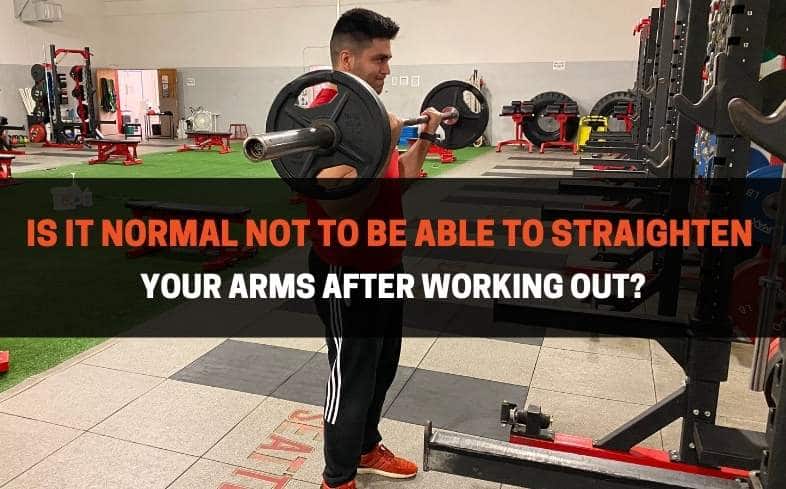
Image Source: powerliftingtechnique.com
Deciphering the Reasons for Arm Immobility
Several factors contribute to the inability to straighten your arm after exercise. These often relate to how your muscles, tendons, and joints react to the stress of physical activity.
Muscle Strain: The Usual Suspect
The most frequent culprit behind arm immobility is a muscle strain. This occurs when muscle fibers are stretched or torn. During a workout, especially with weightlifting or intense repetitive movements, your muscles work harder than they’re accustomed to. If you haven’t warmed up properly, use incorrect form, or simply push too hard too soon, you can overload your muscles.
- How it happens: When you perform an exercise, like a bicep curl or a bench press, you’re contracting and extending your arm muscles. If the force exceeds the muscle’s capacity, tiny tears can form in the muscle fibers. This can lead to inflammation, pain, and the sensation of tightness, making it difficult to achieve a full range of motion. A particularly common scenario is experiencing a swollen bicep due to a strain in that area.
- Symptoms: Besides the inability to straighten your arm, you might feel sharp or dull pain, tenderness to touch, bruising, and weakness in the affected arm.
Tendinitis: Inflammation of the Connective Tissues
Tendons are tough cords of fibrous tissue that connect muscles to bones. When these tendons become inflamed, it’s called tendinitis. The repetitive motions common in many gym exercises can put excessive strain on tendons, particularly those around the elbow and shoulder.
- Elbow Tendinitis (Tennis Elbow and Golfer’s Elbow): While the names suggest sports, these conditions often arise from repetitive arm movements in the gym.
- Tennis Elbow (Lateral Epicondylitis): Affects the tendons on the outside of the elbow. It’s common in exercises that involve gripping and wrist extension, like dumbbell rows or even certain types of presses.
- Golfer’s Elbow (Medial Epicondylitis): Affects the tendons on the inside of the elbow. It’s linked to activities involving wrist flexion and forearm pronation, such as cable curls or overhead presses.
- Rotator Cuff Tendinitis: The rotator cuff is a group of muscles and tendons surrounding the shoulder joint. Repetitive overhead movements, like shoulder presses or pull-ups, can irritate these tendons, leading to pain and restricted movement. A rotator cuff injury can significantly impact your ability to lift or even move your arm.
- Symptoms: Pain that worsens with movement, a dull ache at rest, stiffness, and tenderness. You might also notice a grating sensation when moving the affected joint.
Overuse Injury: Doing Too Much, Too Soon
An overuse injury occurs when you repeatedly perform an activity without giving your body adequate time to recover. This is a broad category that encompasses many of the issues discussed above, but it highlights the cumulative effect of training.
- The Problem with Progression: When you increase the intensity, duration, or frequency of your workouts too quickly, your muscles, tendons, and joints don’t have time to adapt. This leads to micro-trauma that builds up over time, eventually resulting in pain and immobility.
- Common Scenarios:
- Starting a new weightlifting program without proper conditioning.
- Suddenly increasing the weight you lift.
- Performing the same repetitive movements excessively without variation.
- Not allowing sufficient rest days between strenuous workouts.
- Symptoms: Gradual onset of pain, stiffness, and a feeling of fatigue in the affected limb. The pain often worsens during activity and may persist even at rest.
Muscle Fatigue and Cramps: Temporary But Painful
While not typically causing long-term arm immobility, severe muscle fatigue and cramping can make it temporarily impossible to straighten your arm.
- Muscle Fatigue: When muscles are worked intensely without adequate rest or hydration, they can become fatigued. This means they can’t contract as effectively, and this exhaustion can contribute to a feeling of tightness and resistance to movement.
- Muscle Cramps: Involuntary, sudden, and painful contractions of a muscle can occur due to dehydration, electrolyte imbalances, or overexertion. A severe cramp in your bicep or forearm can make straightening your arm intensely painful and difficult. You might feel a knot or hardening in the muscle, often accompanied by a swollen bicep appearance.
- Symptoms: Intense pain, hardness of the muscle, and a visible or palpable knot.
Joint Stiffness: More Than Just Muscles
Sometimes, the issue isn’t solely with the muscles or tendons but involves the joint itself.
- Inflammatory Response: Intense exercise can cause a mild inflammatory response within the joint capsule or surrounding tissues. This can lead to fluid buildup and a feeling of joint stiffness, making it hard to move the limb through its full range of motion.
- Connective Tissue Tightness: The fascia, a type of connective tissue that surrounds muscles and organs, can also become tight after strenuous activity, contributing to stiffness and restricted movement.
- Symptoms: A feeling of tightness around the joint, reduced range of motion, and sometimes a mild ache.
Other Potential, Less Common Causes
While less frequent, other issues can cause post-workout pain and arm immobility:
- Bursitis: Inflammation of the bursae, small fluid-filled sacs that cushion joints. This can occur in the shoulder or elbow, causing pain and limiting movement.
- Nerve Compression: Swelling or inflammation around nerves can lead to pain, tingling, and weakness, which might manifest as difficulty straightening the arm.
- Minor Dislocations or Subluxations: While rarer from typical gym exercises, a sudden awkward movement could potentially cause a partial or full dislocation of the elbow or shoulder, leading to severe pain and arm immobility.
Identifying Your Specific Issue
To effectively address why you can’t straighten your arm, it’s helpful to pinpoint the likely cause. Consider these questions:
When Did the Pain Start?
- During the workout: This might suggest an acute muscle strain or a sudden injury.
- Immediately after the workout: Could be severe muscle fatigue, cramping, or the start of tendinitis.
- The next day or later: Often points to delayed onset muscle soreness (DOMS) or an overuse injury that has become symptomatic.
What Type of Exercises Were You Doing?
- Heavy lifting, especially with pushing or pulling motions: Increases risk of bicep/tricep strains or shoulder issues.
- Repetitive movements with gripping: High risk for Tennis elbow or wrist tendinitis.
- Overhead activities: Prone to rotator cuff injury or shoulder impingement.
What Does the Pain Feel Like?
- Sharp, sudden pain: Suggests a tear or acute strain.
- Dull ache or burning sensation: More indicative of tendinitis or inflammation.
- Stiffness and tightness: Could be general muscle fatigue, fascia restriction, or early-stage inflammation.
Relief Strategies and Prevention
Once you have a better idea of the potential cause, you can implement strategies for relief and prevention.
Immediate Relief (First 24-72 Hours)
The RICE protocol is a cornerstone of immediate care for most musculoskeletal injuries:
- Rest: Avoid activities that aggravate the pain or prevent you from straightening your arm. This doesn’t necessarily mean complete inactivity, but rather modifying your movements to avoid stress on the injured area.
- Ice: Apply ice packs to the affected area for 15-20 minutes every 2-3 hours. This helps reduce inflammation and numb pain. Use a thin towel to protect your skin from direct contact with the ice.
- Compression: A compression bandage can help reduce swelling. Ensure it’s snug but not so tight that it cuts off circulation.
- Elevation: Keep the injured arm elevated above the level of your heart, especially when resting. This helps drain excess fluid and reduce swelling.
Managing Persistent Pain and Immobility
If the pain and arm immobility persist beyond the initial few days, or if symptoms are severe, you may need more targeted interventions.
Gentle Movement and Stretching
Once the initial sharp pain subsides, gentle movement is crucial to prevent excessive joint stiffness and restore range of motion.
- Passive Range of Motion: Have someone else gently move your arm through its available range of motion without you actively engaging the muscles.
- Active-Assisted Range of Motion: Use your good arm or a support to help move the affected arm through its range of motion.
- Gentle Stretches:
- For the Bicep: Sit with your arm extended straight behind you, palm facing forward. Gently lean forward to feel a stretch in the front of your upper arm.
- For the Tricep: Reach your affected arm overhead and bend your elbow, trying to touch your upper back. Use your other hand to gently deepen the stretch if comfortable.
- For the Forearm/Wrist: Extend your arm with your palm facing down. Gently bend your wrist downwards with your other hand. Then, turn your palm up and gently bend your wrist backward.
Important Note: Never force a stretch if it causes sharp pain. Listen to your body.
Strengthening Exercises (When Pain-Free)
Once you can move your arm without significant pain and joint stiffness is reduced, you can begin to gradually reintroduce strengthening exercises. Focus on lighter weights and higher repetitions initially.
- Isometric Exercises: These involve contracting the muscle without changing its length. For example, pressing your palm against a wall.
- Eccentric Exercises: These focus on the lowering phase of a movement, which can be particularly beneficial for tendon health. For example, slowly lowering a dumbbell after a bicep curl.
- Targeted Strengthening: Depending on the injury, specific exercises for the rotator cuff, bicep, tricep, and forearm muscles might be recommended.
Modalities and Therapies
- Heat Therapy: After the initial inflammatory phase (usually after 72 hours), heat can be beneficial. Warm compresses or a warm shower can increase blood flow and relax tight muscles, helping with post-workout pain.
- Massage: Gentle massage can help relieve muscle tension and improve circulation. Deep tissue massage should only be performed by a qualified therapist once acute inflammation has subsided.
- Pain Relief Medication: Over-the-counter nonsteroidal anti-inflammatory drugs (NSAIDs) like ibuprofen or naproxen can help manage pain and inflammation. Always follow dosage instructions and consult a healthcare professional if you have any underlying health conditions.
When to Seek Professional Help
It’s essential to consult a doctor or a physical therapist if:
- The pain is severe or debilitating.
- You experience numbness or tingling in your arm or hand.
- There is significant swelling or deformity.
- The arm immobility persists for more than a week or two despite home care.
- You suspect a fracture or dislocation.
A healthcare professional can provide an accurate diagnosis, rule out more serious conditions, and develop a personalized treatment plan. This might include:
- Physical Therapy: A physical therapist can guide you through specific exercises, stretches, and manual therapy techniques tailored to your condition. They are experts in addressing muscle strain, tendinitis, rotator cuff injury, and general overuse injury.
- Imaging Tests: X-rays, MRIs, or ultrasounds may be used to visualize the extent of any tissue damage.
- Cortisone Injections: In some cases of severe inflammation, a doctor might recommend a cortisone injection to reduce swelling and pain.
- Surgery: This is rarely needed for common gym-related arm issues but may be considered for severe tears or chronic conditions that don’t respond to conservative treatment.
Prevention is Key: Avoiding Future Episodes
The best approach to dealing with arm immobility after the gym is to prevent it from happening in the first place.
Warm-Up Properly
- Dynamic Warm-Up: Before your workout, spend 5-10 minutes performing dynamic stretches. This involves controlled movements that take your joints through their full range of motion, preparing your muscles for activity. Examples include arm circles, shoulder rotations, and dynamic chest stretches.
- Cardiovascular Warm-Up: Light cardio like jogging or cycling increases blood flow to your muscles, making them more pliable.
Use Proper Form
- Technique Over Weight: Always prioritize correct form over lifting heavy weights. Poor form puts undue stress on muscles, tendons, and joints, increasing the risk of injury.
- Seek Guidance: If you’re unsure about the correct technique for an exercise, ask a qualified trainer for assistance.
Gradual Progression
- Don’t Increase Too Much, Too Soon: When starting a new program or increasing intensity, do so gradually. Follow the principle of progressive overload, but ensure your body has time to adapt.
- Listen to Your Body: Pay attention to how your body feels. If you’re experiencing significant pain or unusual fatigue, it’s a sign to back off.
Balanced Training
- Work Opposing Muscle Groups: Ensure you’re not neglecting certain muscle groups. For example, if you do a lot of pushing exercises (bench press), make sure to balance it with pulling exercises (rows) to maintain muscle balance and prevent strains.
- Variety: Vary your exercises and training routines to avoid repetitive stress on the same tissues.
Rest and Recovery
- Adequate Sleep: Aim for 7-9 hours of quality sleep per night, as this is when your body repairs itself.
- Rest Days: Incorporate rest days into your weekly training schedule. Your muscles need time to recover and rebuild.
- Active Recovery: Light activities like walking or gentle swimming on rest days can promote blood flow and aid recovery.
Hydration and Nutrition
- Stay Hydrated: Dehydration can contribute to muscle cramps and impaired recovery. Drink plenty of water throughout the day, especially before, during, and after your workouts.
- Balanced Diet: Ensure your diet includes sufficient protein for muscle repair and carbohydrates for energy. Electrolytes like potassium and magnesium also play a role in muscle function.
Cool-Down
- Static Stretching: After your workout, spend 5-10 minutes performing static stretches. Hold each stretch for 20-30 seconds to improve flexibility and reduce joint stiffness. Focus on the muscles you worked during the session.
Frequently Asked Questions (FAQ)
Q1: How long does it typically take to recover from not being able to straighten my arm after the gym?
A1: Recovery time varies greatly depending on the cause and severity of the condition. Mild muscle strain or muscle fatigue might resolve within a few days with rest. Tendinitis or rotator cuff injury can take several weeks to months to heal, especially if not managed properly. Persistent joint stiffness can also take time to alleviate.
Q2: Can I still work out if I can’t fully straighten my arm?
A2: It depends on the severity of your post-workout pain and arm immobility. If the pain is mild and doesn’t worsen with certain activities, you might be able to continue with modified workouts that don’t involve the affected arm. However, if you experience significant pain, swelling, or arm immobility, it’s best to rest the arm completely until you can consult a healthcare professional. Pushing through pain can worsen the injury and prolong recovery.
Q3: Is a swollen bicep a sign of a serious injury?
A3: A swollen bicep can be a symptom of a muscle strain, which is often manageable with rest and home care. However, it can also indicate more serious issues like a muscle tear or rupture. If you notice a significant bulge, deformity, or intense pain accompanied by swelling, seek medical attention promptly.
Q4: What’s the difference between muscle soreness and an actual injury?
A4: Muscle soreness, often referred to as Delayed Onset Muscle Soreness (DOMS), typically appears 24-72 hours after a new or intense workout. It’s a dull ache and stiffness that usually resolves within a few days and doesn’t significantly impair your ability to move. An injury, such as a muscle strain or tendinitis, often involves sharper pain, localized tenderness, significant arm immobility, and may persist for longer periods or worsen with activity.
Q5: Should I use heat or ice for post-gym arm pain?
A5: For acute pain and swelling in the first 24-72 hours, ice is generally recommended to reduce inflammation. After this initial period, or for general muscle tightness and stiffness, heat can be beneficial to improve blood flow and relax muscles. For conditions like tendinitis, your doctor or physical therapist can advise whether heat or ice is more appropriate for your specific stage of recovery.
By understanding the potential causes of your inability to straighten your arm and implementing appropriate relief and prevention strategies, you can get back to enjoying your workouts safely and effectively. Always listen to your body and don’t hesitate to seek professional medical advice when needed.