
Image Source: media.defense.gov
Flu Shot & Fitness: Can You Exercise After A Flu Shot?
Yes, in most cases, you can exercise after getting a flu shot. For many individuals, engaging in light to moderate physical activity is perfectly fine and may even help alleviate some common flu shot side effects. However, it’s wise to listen to your body and adjust your routine based on how you feel.
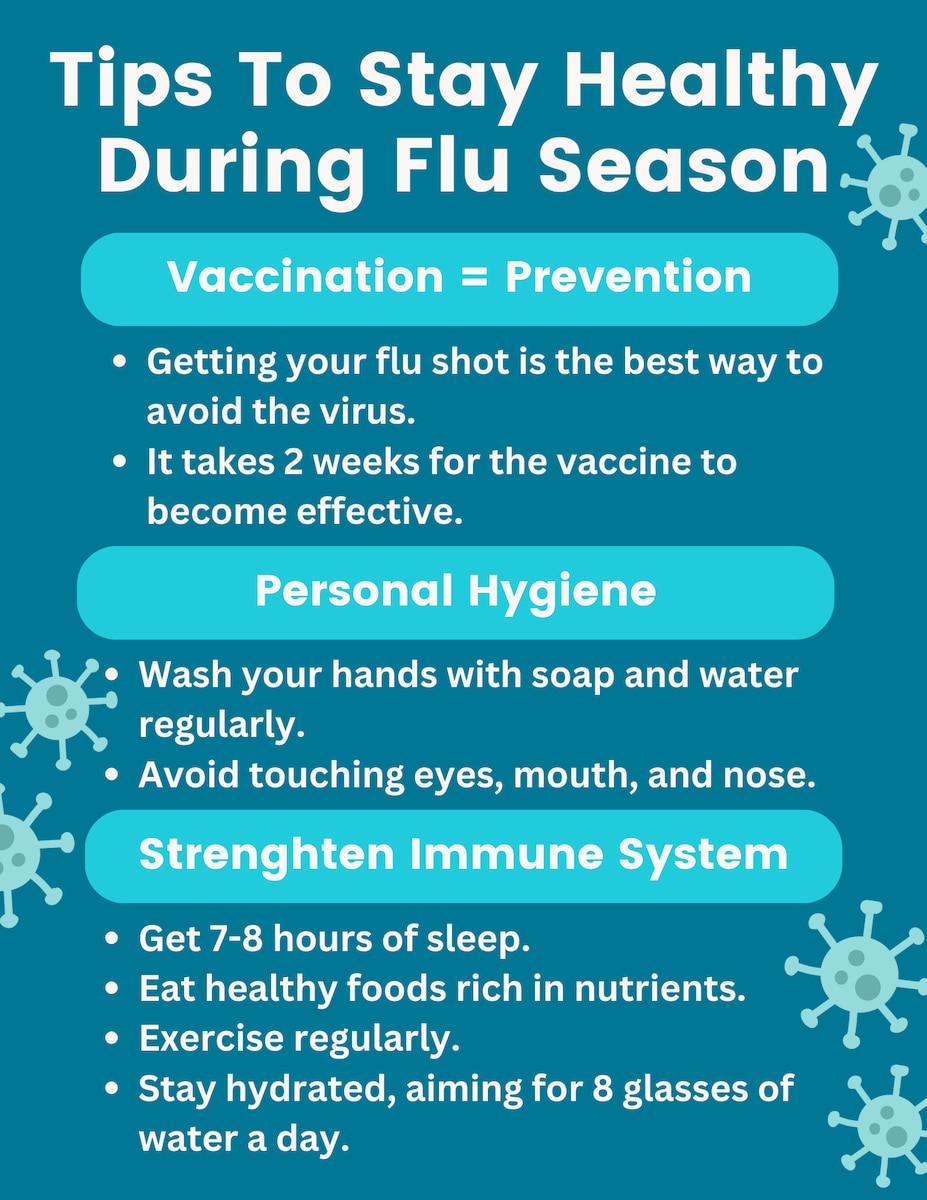
Getting your annual flu shot is a crucial step in staying healthy, especially during flu season. As you prepare to protect yourself against the influenza virus, a common question arises: what impact does the vaccine have on your fitness routine? Can you hit the gym, go for a run, or lift weights shortly after your injection? The good news is that for most people, the answer is yes. Post-vaccination exercise is generally safe and can even be beneficial. This comprehensive guide will delve into the relationship between the flu vaccine and physical activity, addressing concerns about returning to exercise after flu vaccination, potential exercise contraindications flu shot, managing muscle soreness flu shot, and providing clear exercise recommendations flu vaccine. We’ll also discuss what to do if you experience a fever after flu shot and how to gauge appropriate exercise intensity post flu vaccine.
Navigating Your Post-Flu Shot Workout
The flu vaccine is designed to stimulate your immune system to recognize and fight off the influenza virus. This immune response can sometimes lead to mild, temporary side effects. These are typically signs that your body is building protection. Common flu shot side effects include:
- Soreness, redness, or swelling at the injection site
- Low-grade fever
- Headache
- Muscle aches
- Fatigue
These symptoms are usually mild and resolve within a day or two. The key to a smooth transition back to your regular physical activity after a flu shot is to be informed and mindful of your body’s signals.
When Can I Exercise After Flu Shot?
The general consensus from health professionals is that you can typically resume your normal exercise routine shortly after receiving the flu shot. There isn’t a strict waiting period mandated for everyone. Many people find they can exercise later the same day or the next morning, provided they feel well. The primary consideration is how your body is reacting to the vaccine. If you experience significant discomfort, it’s best to postpone strenuous activity.
The Science Behind Post-Vaccination Exercise
Your immune system kicks into gear immediately after vaccination. This involves a localized inflammatory response at the injection site and a systemic immune reaction. This is why you might feel a little under the weather. Engaging in light to moderate physical activity can actually promote circulation, which might help distribute the vaccine’s components and potentially reduce localized soreness.
However, very intense workouts could potentially divert resources from your immune system’s immediate task of building protection, though this is generally a minor concern for most healthy individuals. The most important factor is listening to your body and avoiding overexertion if you feel unwell.
Flu Vaccine and Physical Activity: A Balanced Approach
The relationship between the flu vaccine and physical activity is largely positive. Regular exercise is beneficial for overall health and can even bolster your immune system in the long run. Getting your flu shot and then returning to your exercise routine is a sensible approach to staying healthy.
It’s important to distinguish between the vaccine itself and actual influenza illness. If you contract the flu, then rest and recovery are paramount, and exercise is contraindicated. However, the flu shot is not a live virus and does not cause the flu. Therefore, the exercise contraindications flu shot are related to the vaccine’s mild side effects, not the disease itself.
Managing Flu Shot Side Effects with Exercise
Some flu shot side effects, like muscle aches or fatigue, can be similar to what you might experience after a strenuous workout. This can lead to confusion about when it’s safe to resume your fitness.
Muscle Soreness Flu Shot: What to Expect
If you experience muscle soreness flu shot, it’s typically mild and localized to the arm where you received the injection. This is a common reaction and is not a reason to avoid all physical activity. In fact, gentle movement can sometimes ease this soreness. Avoid heavy lifting or repetitive motions that directly engage the injected arm if it’s particularly sore.
Fever After Flu Shot: When to Pause Activity
Experiencing a fever after flu shot is a less common but possible side effect. If you develop a fever, it’s a sign your body is mounting a significant immune response. In this instance, it is best to avoid exercise until the fever subsides. Pushing yourself while feverish can strain your body and potentially prolong recovery. Hydration and rest are key when dealing with a fever.
Returning to Exercise After Flu Shot: Practical Guidelines
Deciding on returning to exercise after flu vaccination is a personal decision based on how you feel. Here are some practical guidelines:
- Assess your symptoms: Are you experiencing mild soreness or feeling significantly unwell?
- Listen to your body: If you feel energetic, a moderate workout is likely fine. If you feel fatigued or achy, opt for lighter activity or rest.
- Stay hydrated: Drink plenty of water, as this is always important for physical activity and can help with any mild flu-like symptoms.
- Consider the type of exercise: High-intensity workouts might be more taxing if you’re feeling any side effects. Lower-impact activities might be a better choice initially.
Exercise Recommendations Flu Vaccine: Tailoring Your Routine
Following these exercise recommendations flu vaccine can help you navigate your return to fitness safely:
- Day of Vaccination:
- Light Activity: Gentle walking, stretching, or yoga is generally fine if you feel up to it.
- Avoid: High-intensity interval training (HIIT), heavy lifting, or prolonged strenuous cardio if you have any significant side effects.
- Day After Vaccination:
- Moderate Activity: Most people can return to their regular exercise intensity if they feel well.
- Listen Closely: If you still have mild symptoms like fatigue or muscle aches, consider a lighter session or focus on activities that don’t heavily involve the injected arm.
- If you have a fever: Rest until the fever is gone. Then, gradually reintroduce exercise.
Exercise Intensity Post Flu Vaccine: Finding the Right Balance
Determining the appropriate exercise intensity post flu vaccine is about managing your energy levels and recognizing your body’s response.
When Can I Exercise After Flu Shot? A Detailed Look
Let’s break down when can I exercise after flu shot more granularly:
- Within Hours: If you feel perfectly normal, a light walk or stretching routine is usually safe. This can actually help with blood flow and reduce potential stiffness.
- The Next Day: For most individuals, the mild side effects of the flu shot have subsided by the next day. This is often the point where you can comfortably resume your typical workout routine.
- Persistent Symptoms: If you continue to experience significant fatigue, body aches, or a fever beyond 24-48 hours after the shot, it’s best to delay your return to exercise until you feel completely recovered.
Exercise Contraindications Flu Shot: What to Avoid
While generally safe, there are a few exercise contraindications flu shot to be aware of:
- High Fever: As mentioned, any fever is a reason to avoid exercise.
- Severe Malaise: If you feel generally unwell, dizzy, or extremely fatigued, postpone your workout.
- Severe Injection Site Reaction: While rare, if you have significant swelling or pain at the injection site that makes movement difficult, avoid exercises that strain that arm.
It’s important to reiterate that the flu shot itself does not contain live virus and does not cause the flu. Therefore, the contraindications are related to your body’s temporary reaction to the vaccine, not a contagious illness.
Exercising Safely After Your Flu Vaccine
To ensure a safe and effective return to your fitness regimen, consider these additional points:
- Warm-up: Always start with a proper warm-up, especially if you feel any muscle stiffness.
- Cool-down: Include a cool-down and stretching to help your muscles recover.
- Hydration: Keep your fluid intake high throughout the day.
- Nutrition: Eat a balanced meal before and after your workout to support your body’s energy needs and recovery.
- Modify if Needed: Don’t be afraid to reduce the weight, intensity, or duration of your workout if you’re not feeling 100%.
Interpreting Your Body’s Signals After Vaccination
The most crucial aspect of post-vaccination exercise is accurately interpreting your body’s signals. Your immune system is working, and while usually a mild process, it requires some attention.
- Feeling Good: If you feel energetic and have no significant side effects, a normal workout is likely safe.
- Mild Discomfort: If you have mild soreness or fatigue, a lower-intensity workout is advisable. Focus on activities like walking, cycling at a moderate pace, or swimming.
- Significant Symptoms: If you feel quite unwell, especially with a fever, prioritize rest. Your body needs energy to build immunity, and exercise can hinder this process when you are significantly symptomatic.
Flu Shot Side Effects and Exercise: A Comparison
It’s helpful to compare the potential side effects of the flu shot with the effects of overexertion to make informed decisions.
| Flu Shot Side Effect | Impact on Exercise | Recommendation |
|---|---|---|
| Soreness at injection site | Minor discomfort, especially with arm movement | Light activity; avoid heavy lifting with the injected arm. |
| Fatigue | Reduced energy levels | Reduce intensity or duration; opt for lighter activities. |
| Muscle aches | General body discomfort | Gentle movement may help; avoid intense workouts. |
| Low-grade fever | Significant malaise | Rest is crucial; postpone exercise until fever subsides. |
| Headache | Can be distracting | Light activity if mild; avoid if severe or accompanied by other symptoms. |
Frequently Asked Questions (FAQ)
Q1: Can I go for a run after a flu shot?
A1: Yes, if you feel well, a light to moderate run is generally fine. If you experience fatigue or muscle aches, consider a shorter or slower run, or a brisk walk instead.
Q2: Is it safe to lift weights after getting a flu shot?
A2: Yes, but if you experience muscle soreness flu shot, you might want to avoid heavy lifting or exercises that heavily engage the arm where you received the injection. Lighter weights or bodyweight exercises are a good alternative.
Q3: What if I have a fever after my flu shot?
A3: If you develop a fever after flu shot, you should definitely avoid exercise. Rest, hydrate, and wait until the fever has completely resolved before resuming any physical activity.
Q4: Should I change my workout intensity after a flu shot?
A4: It depends on how you feel. For most people, exercise intensity post flu vaccine can remain the same. However, if you experience mild symptoms like fatigue, reducing intensity is a wise precaution.
Q5: How long do flu shot side effects usually last?
A5: Most flu shot side effects are mild and typically last only one to two days. If symptoms are severe or persist longer, consult a healthcare professional.
Q6: Are there any specific types of exercise I should avoid after a flu shot?
A6: Generally, no specific types of exercise are strictly forbidden, unless you are experiencing a fever or significant discomfort. However, it’s prudent to avoid extremely strenuous or high-impact activities on the day of vaccination if you feel any adverse reactions.
Q7: Does exercising after a flu shot reduce its effectiveness?
A7: No, moderate post-vaccination exercise is not known to reduce the effectiveness of the flu vaccine. In fact, staying active supports overall immune health, which can be beneficial.
Q8: What if my arm is sore where I got the shot?
A8: If you have muscle soreness flu shot, try to keep the arm moving with gentle range-of-motion exercises. Avoid directly working the sore muscles with heavy weights. A light warm-up and cool-down can also help alleviate stiffness.
In conclusion, the flu vaccine and physical activity can coexist harmoniously. By staying informed about potential flu shot side effects and listening to your body, you can safely enjoy the benefits of both vaccination and exercise. Remember that the goal is to protect your health, and a balanced approach to returning to exercise after flu vaccination is key. Always consult your healthcare provider if you have any concerns or persistent symptoms.