
Yes, you can exercise with a waist trainer, but safety and proper usage are paramount. While waist trainers can offer support and potentially enhance the aesthetic effects of your workouts, they are not a magic bullet for weight loss or a substitute for a healthy lifestyle. It’s crucial to approach waist trainer exercise with caution and awareness of your body’s limits.
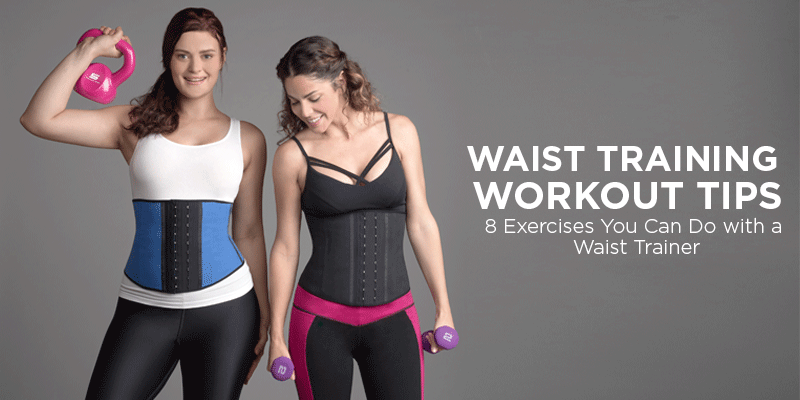
Image Source: cdn8.bigcommerce.com
The Allure of the Waist Trainer in Fitness
Many individuals are drawn to waist trainers as a tool to enhance their fitness journey. The promise of a more sculpted waistline, improved posture, and even accelerated fat loss during exercise fuels this interest. However, the reality is far more nuanced. Let’s delve into what happens when you combine a workout with waist trainer and explore how to do it safely and effectively.
What is a Waist Trainer?
Before we explore using a waist trainer during exercise, it’s essential to define what it is. A waist trainer is typically a garment made of strong, elastic material, often reinforced with boning, that wraps tightly around the midsection. Its primary function is to compress the waist, aiming to create an hourglass figure and potentially promote a reduction in waist circumference over time. This compression is meant to cinch the waist, theoretically shaping the body by reducing the waistline and pushing the stomach inwards.
The Appeal of Waist Training for Fitness
The concept of a waist trainer for fitness is appealing for several reasons:
- Posture Improvement: The rigid structure of many waist trainers can encourage better posture by forcing the wearer to stand or sit up straighter. This can lead to a more confident appearance and potentially alleviate some back discomfort.
- Body Contouring: During exercise, the compression can create a smoother silhouette under clothing and may offer a psychological boost by making the waist appear smaller.
- Perceived Fat Burning: Some users believe that the increased heat and compression around the midsection can lead to increased calorie expenditure or fat loss in that area. However, scientific evidence supporting localized fat loss through compression is limited.
- Support During Workouts: For some individuals, the compression can offer a feeling of support, especially during high-impact activities.
Exercising with a Waist Trainer: The Safety First Approach
The question of whether you can exercise with a waist trainer safely is a common one. The short answer is yes, but with significant caveats. Engaging in safe waist training workouts requires careful consideration of the type of exercise, the duration of wear, and your body’s individual response.
What Happens When You Exercise with a Waist Trainer?
When you wear a waist trainer during exercise, several physiological changes occur:
- Core Compression: The primary effect is the compression of your abdominal muscles and internal organs. This can restrict your ability to take deep breaths, which is crucial for efficient workouts.
- Increased Core Temperature: The tight fabric can trap heat, leading to increased perspiration and a higher core body temperature. This can be beneficial for some workouts but also increases the risk of overheating.
- Postural Support: As mentioned, waist trainers can provide external support to your core, which might feel beneficial for some movements.
- Reduced Diaphragmatic Breathing: The compression can limit the natural expansion of your diaphragm, leading to shallower breaths. This can impact your stamina and oxygen intake.
Potential Risks of Exercising with a Waist Trainer
It’s vital to be aware of the potential risks associated with wearing a waist trainer during physical activity:
- Breathing Difficulties: The most significant risk is restricted breathing. Shallow breaths mean less oxygen reaching your muscles, which can lead to fatigue, lightheadedness, and reduced performance. In extreme cases, it could lead to hyperventilation or fainting.
- Core Weakness: Over-reliance on external support can hinder the development of your natural core muscles. Your body might become accustomed to the trainer’s support, leading to weaker abdominal and back muscles when you’re not wearing it. This is a critical concern for long-term fitness.
- Digestive Issues: The intense compression can put pressure on your digestive organs, potentially leading to discomfort, acid reflux, or indigestion.
- Skin Irritation: Prolonged wear, especially during sweating, can cause chafing, rashes, and irritation on the skin.
- Dehydration: Increased sweating can lead to dehydration if fluids are not replenished adequately.
- Rib Cage Damage: In very rare cases of extreme or prolonged compression, there’s a theoretical risk of damaging the rib cage, though this is more associated with extreme and prolonged industrial-grade corsetry rather than modern waist trainers.
- Nerve Compression: Tight waist trainers can potentially compress nerves, leading to numbness or tingling sensations in the abdomen or legs.
Best Waist Training Exercises: Tailoring Your Routine
When considering safe waist training workouts, not all exercises are created equal. Some movements are more suitable for wearing a waist trainer than others. The key is to choose exercises that don’t heavily rely on deep diaphragmatic breathing or extreme core flexibility.
Waist Training and Cardio
Engaging in waist training and cardio requires careful attention to your breathing. High-intensity cardio, like sprinting or intense cycling, might be challenging due to the restricted breathing.
- Lower-Impact Cardio: Activities like brisk walking, cycling at a moderate pace, or using an elliptical machine are generally safer options. These allow for more controlled breathing.
- Listen to Your Body: If you feel winded quickly or experience discomfort, reduce the intensity or remove the waist trainer.
Waist Trainer for Weight Loss Workouts
If your goal is waist trainer for weight loss workouts, remember that the trainer itself doesn’t directly burn fat. Fat loss is achieved through a caloric deficit (burning more calories than you consume). The waist trainer might indirectly contribute by:
- Promoting Better Posture: This can make you feel more confident and potentially encourage you to move more.
- Controlling Portions: Some users report feeling fuller sooner when wearing a waist trainer, which might lead to eating less.
However, it’s crucial not to rely solely on the waist trainer. A balanced diet and consistent exercise are the cornerstones of effective weight loss.
Waist Trainer Strength Training
Incorporating a waist trainer strength training routine needs careful consideration:
- Core Engagement: For exercises that require significant core engagement and expansion (like heavy squats or deadlifts), a waist trainer might actually hinder your ability to perform them safely and effectively. Proper bracing and deep breaths are essential for spinal stability in these lifts.
- Supportive Exercises: You might find it beneficial for exercises that involve less intense core demands or focus on upper body movements.
- Avoid Overloading: Do not attempt to lift heavier weights than you normally would while wearing a waist trainer, as this could be dangerous if your core support is compromised.
Safe Practices for Wearing a Waist Trainer During Exercise
To maximize safety and minimize risks, follow these guidelines if you choose to workout with waist trainer:
Gradual Introduction and Duration
- Start Slow: Do not wear a waist trainer for extended periods during your first few workouts. Begin with 15-30 minute sessions and gradually increase the duration as your body adapts.
- Limit Wear Time: Even after adaptation, it’s generally advisable not to wear a waist trainer for your entire workout session, especially for longer or more intense workouts.
Proper Fit and Material
- Snug, Not Painful: Your waist trainer should be snug and provide compression, but it should never be so tight that it causes pain, numbness, or difficulty breathing. If you can’t take a deep breath, it’s too tight.
- Breathable Materials: Opt for waist trainers made from breathable materials to minimize skin irritation and overheating.
Hydration is Key
- Drink Plenty of Water: Always stay well-hydrated, especially when wearing a waist trainer during exercise, as you will likely sweat more.
Listen to Your Body
- Pay Attention to Signals: This is the most crucial rule. If you experience any discomfort, dizziness, nausea, shortness of breath, or pain, remove the waist trainer immediately. Pushing through these signals can lead to injury.
Choose the Right Exercises
- Focus on Lower-Impact Activities: As discussed, cardio like walking or elliptical training, and strength training with lighter weights or focusing on upper body, are generally more suitable.
- Avoid Deep Breathing Exercises: Activities that require significant expansion of the diaphragm, such as intense yoga poses or certain breathing exercises, should be avoided while wearing a waist trainer.
Consistency and Alternatives
- Don’t Make It a Crutch: Remember that a waist trainer is a tool, not a replacement for building a strong, healthy body. Focus on developing your core muscles through targeted exercises when you’re not wearing the trainer.
- Consider Post-Workout Wear: Some individuals prefer to wear a waist trainer for a short period after their workout to maintain the cinched feeling or for posture support, rather than during the entire activity.
The Long-Term Effects of Waist Training Exercise
The long-term effects of waist training exercise are a subject of debate and depend heavily on individual usage.
Potential Benefits of Consistent, Safe Usage
If used consistently and safely, with a focus on proper form and listening to your body, a waist trainer might contribute to:
- Improved Posture Awareness: Regular wear can train your body to maintain a more upright posture even when the trainer is not on.
- Enhanced Body Shape Perception: For some, the visual and tactile feedback of a cinched waist can boost confidence and motivate them to maintain a healthy lifestyle.
The Risks of Overuse or Misuse
However, the risks associated with overuse or misuse are significant and can have detrimental long-term effects:
- Weakened Core Muscles: As previously mentioned, over-reliance can lead to a dependency on external support, weakening your intrinsic core musculature. This can contribute to back pain and poor posture in the long run.
- Compromised Breathing Capacity: Chronic shallow breathing can potentially affect your overall lung capacity and efficiency.
- Digestive System Issues: Prolonged pressure on the digestive organs might lead to chronic discomfort or digestive problems.
- Body Image Issues: The pursuit of an unrealistic ideal through waist training can sometimes exacerbate body image concerns and lead to unhealthy obsessions.
Waist Trainer for Weight Loss Workouts: A Realistic Outlook
When we talk about a waist trainer for weight loss workouts, it’s crucial to set realistic expectations.
Does a Waist Trainer Help You Lose Weight?
The waist trainer itself does not burn fat or directly cause weight loss. Weight loss is achieved by consistently consuming fewer calories than your body burns.
- Caloric Deficit is Key: Your diet plays the most significant role in weight loss.
- Exercise Burns Calories: Physical activity increases your caloric expenditure.
A waist trainer might contribute to a caloric deficit in a few indirect ways:
- Appetite Control: The compression can make you feel fuller faster, potentially leading to reduced food intake.
- Increased Sweating: While this leads to temporary water weight loss, it’s not fat loss.
- Motivational Tool: For some, the visual of a cinched waist can be a motivator to stick to a healthy diet and exercise plan.
Combining Waist Training with a Healthy Lifestyle
The most effective approach to using a waist trainer in conjunction with weight loss is to integrate it into a comprehensive healthy lifestyle:
- Balanced Diet: Focus on whole foods, lean proteins, fruits, vegetables, and healthy fats.
- Regular Exercise: Aim for a mix of cardiovascular exercise and strength training.
- Adequate Sleep: Crucial for hormone regulation and recovery.
- Stress Management: Chronic stress can impact weight.
- Mindful Waist Training: Use the trainer sparingly and safely, focusing on your body’s signals.
Is a Waist Trainer for Fitness the Right Choice for You?
Deciding whether to incorporate a waist trainer for fitness is a personal choice. It’s important to weigh the potential benefits against the risks and to approach it with a healthy mindset.
Who Should Be Cautious or Avoid Waist Trainers?
- Pregnant Women: Absolutely avoid waist trainers during pregnancy.
- Individuals with Respiratory Issues: If you have asthma or other breathing conditions, a waist trainer is not recommended.
- People with Digestive Problems: Those prone to acid reflux or other digestive issues should exercise caution.
- Individuals with Back Problems: While some may find support, others might exacerbate existing back issues if the trainer is used incorrectly or is too tight. Consult a doctor or physical therapist.
- Those with Eating Disorders or Body Dysmorphia: Waist trainers can potentially fuel unhealthy obsessions with body shape.
Consulting Professionals
Before starting any new fitness regimen that includes a waist trainer, it’s highly recommended to consult with:
- Your Doctor: To ensure you have no underlying health conditions that could be exacerbated.
- A Certified Personal Trainer: To guide you on safe exercise practices and whether a waist trainer aligns with your fitness goals.
- A Physical Therapist: Especially if you have any pre-existing back or core issues.
Frequently Asked Questions (FAQ)
Q1: How long should I wear a waist trainer during exercise?
A: Start with 15-30 minutes and gradually increase as tolerated, but avoid wearing it for your entire workout, especially intense or long sessions. Always prioritize your breathing and comfort.
Q2: Can I wear a waist trainer for cardio?
A: Yes, but opt for lower-impact cardio like walking or cycling at a moderate pace. Be very mindful of your breathing and reduce intensity if you feel short of breath.
Q3: Can a waist trainer help me lose belly fat?
A: No, a waist trainer does not directly burn belly fat. Fat loss occurs through a caloric deficit achieved through diet and exercise. The trainer might indirectly influence this by promoting better posture or portion control for some individuals.
Q4: What are the best waist training exercises?
A: When wearing a waist trainer, focus on exercises that don’t require deep diaphragmatic breathing or extreme core expansion. Lower-impact cardio and some strength training exercises that don’t heavily tax the core are more suitable.
Q5: Is it safe to wear a waist trainer for strength training?
A: Be cautious. Avoid exercises that require maximal core bracing and deep breaths, such as heavy squats or deadlifts. Lighter upper body exercises or movements with less core demand might be acceptable, but always prioritize safety and listen to your body.
Q6: What should I do if I feel pain or discomfort while exercising with a waist trainer?
A: Remove the waist trainer immediately. Pain or discomfort are signals from your body that something is wrong. Do not push through it.
Q7: Can waist trainers damage my organs?
A: While severe organ damage is unlikely with modern waist trainers and moderate use, extreme or prolonged compression can put undue pressure on internal organs, potentially leading to discomfort or digestive issues. It’s essential to use them responsibly.
Q8: When should I not exercise with a waist trainer?
A: Avoid exercising with a waist trainer if you have respiratory issues, digestive problems, are pregnant, or feel unwell. Always listen to your body.
In conclusion, while the idea of enhancing your workouts with a waist trainer is tempting, safety, moderation, and self-awareness are paramount. A waist trainer for fitness can be a tool, but it should never replace a commitment to a healthy lifestyle, proper exercise form, and listening to your body’s signals.