
Yes, you can absolutely exercise with piles (hemorrhoids), and it’s often beneficial for symptom management. While it might seem counterintuitive, regular physical activity can actually help alleviate discomfort, prevent flare-ups, and improve overall bowel health. The key is to choose the right types of exercise and to listen to your body, especially during a hemorrhoid flare-up.
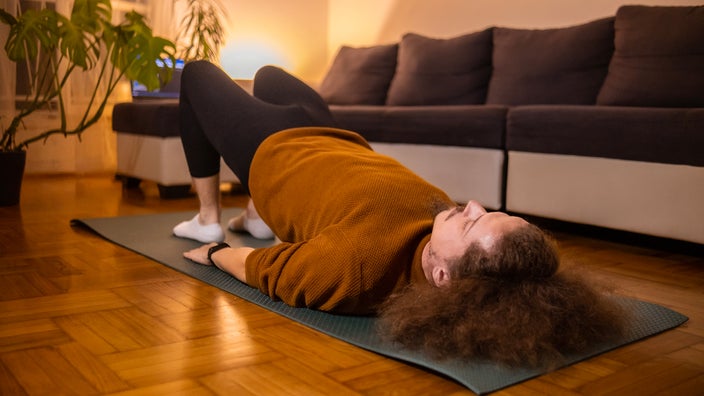
Image Source: www.grxstatic.com
Why Exercise Matters for Piles
Piles, or hemorrhoids, are swollen veins in the anus or rectum. They can cause pain, itching, and bleeding. While many factors contribute to their development, including genetics, diet, and pregnancy, lifestyle plays a significant role. Exercise can be a powerful tool in managing these conditions.
Benefits of Exercise for Hemorrhoids
- Improved Bowel Health: Regular physical activity stimulates the intestines, promoting regular bowel movements. This can prevent constipation, a major trigger for piles. Exercise for bowel health is crucial for preventing and managing hemorrhoids.
- Reduced Strain: When you have regular bowel movements without straining, the pressure on the veins in the anal area is reduced. This is a direct benefit for preventing and managing piles.
- Weight Management: Obesity is a risk factor for piles. Exercise helps with weight management, indirectly reducing the pressure on the rectal veins.
- Stress Reduction: Chronic stress can affect digestion and bowel regularity. Exercise is a well-known stress reliever, which can have a positive ripple effect on your digestive system.
- Better Blood Circulation: Exercise improves overall blood circulation, which can help reduce swelling and inflammation associated with hemorrhoids.
Choosing the Right Exercises for Piles
When you have piles, the type of exercise you choose is important. The goal is to move your body effectively without putting undue pressure on your rectal area.
Safe Exercises for Hemorrhoids
The best exercises are those that are gentle and promote blood flow without causing strain.
Low-Impact Cardio Options
Low-impact cardio exercises are excellent for improving cardiovascular health without jarring your body. These are particularly good choices when managing hemorrhoids.
- Walking: A brisk walk is one of the simplest and most effective exercises. It promotes bowel regularity and improves circulation. Aim for at least 30 minutes most days of the week.
- Swimming: The buoyancy of water supports your body, taking pressure off your joints and rectal area. Swimming is a fantastic full-body workout that also aids digestion.
- Cycling (Stationary or Gentle Outdoor): Cycling can be beneficial, but it’s important to ensure a comfortable saddle and upright posture to avoid excessive pressure on the perineum. Stationary bikes offer more control over resistance and posture.
- Elliptical Trainer: This machine provides a cardiovascular workout with minimal impact, mimicking walking or running without the pounding.
- Water Aerobics: Similar to swimming, water aerobics offers a low-impact way to get your heart rate up and strengthen muscles.
Strength Training Considerations
While not all strength training is suitable, some forms can be beneficial. Focus on lighter weights and higher repetitions, and always avoid straining or holding your breath.
- Bodyweight Exercises: Exercises like squats, lunges, and push-ups (modified if needed) can be done with your own body weight. Focus on controlled movements.
- Resistance Bands: These offer a good way to build strength without heavy weights, reducing the risk of straining.
- Core Strengthening: A strong core supports your body and can improve posture, which indirectly helps with bowel function. Planks and gentle abdominal exercises are good choices.
What to Avoid or Modify
Certain exercises can worsen hemorrhoid symptoms due to increased intra-abdominal pressure or direct pressure on the anal area.
- Heavy Lifting: Lifting very heavy weights, especially exercises like deadlifts or heavy squats where you hold your breath and bear down, can significantly increase pressure in the rectal area, potentially leading to or worsening piles.
- High-Impact Activities: Running, jumping, or high-intensity interval training (HIIT) can be too jarring for some individuals with hemorrhoids.
- Intense Abdominal Exercises: Crunches or sit-ups that involve a lot of straining can put pressure on the area.
- Prolonged Sitting or Standing: While not exercise, activities that involve prolonged sitting or standing can aggravate piles, so it’s important to take breaks to move around.
Pelvic Floor Exercises and Their Role
Pelvic floor exercises, often known as Kegels, are vital for people with hemorrhoids. These exercises strengthen the muscles that support the pelvic organs, including those around the anus.
How Pelvic Floor Exercises Help
- Improved Muscle Tone: Stronger pelvic floor muscles can help support the rectal veins, potentially reducing bulging and prolapse.
- Better Bowel Control: These exercises can improve your ability to control bowel movements and prevent leakage.
- Reduced Straining: By strengthening the muscles, you can learn to relax them more effectively during bowel movements, reducing the tendency to strain. This is crucial for constipation relief and overall rectal health.
Performing Pelvic Floor Exercises (Kegels)
- Locate the Muscles: To find the right muscles, try to stop the flow of urine midstream. These are your pelvic floor muscles. Do not do this regularly, only to identify the muscles.
- Tighten and Hold: Once identified, tighten these muscles and hold the contraction for 3-5 seconds.
- Relax: Fully relax the muscles for the same amount of time.
- Repeat: Aim for sets of 10-15 repetitions, several times a day.
It’s important to practice these regularly, even when you don’t have a hemorrhoid flare-up, to maintain muscle tone.
Exercise During a Hemorrhoid Flare-Up
When you’re experiencing a hemorrhoid flare-up, your priority is comfort and allowing the inflammation to subside. This doesn’t mean you have to stop moving entirely, but you’ll need to be more cautious.
Symptom Management Through Movement
- Gentle Movement is Key: If you feel up to it, very gentle exercises can still be beneficial. Light walking or simple stretching can improve circulation and prevent stiffness.
- Listen to Your Body: This is the most important rule. If an exercise causes pain or discomfort, stop immediately. Pushing through pain can worsen the condition.
- Focus on Relaxation: Deep breathing exercises and gentle yoga poses that don’t involve inversions or significant abdominal pressure can be helpful for relaxation and stress relief.
- Avoid Anything Strenuous: During a flare-up, it’s best to avoid any activity that could increase pressure in the anal area or cause discomfort.
Adjusting Your Routine
- Reduce Intensity and Duration: If you normally do vigorous exercise, scale back significantly during a flare-up.
- Consider Alternatives: If your usual exercise is no longer comfortable, switch to something gentler, like lying down stretches or very short, slow walks.
- Stay Hydrated: Proper hydration is crucial for managing constipation and supporting recovery.
The Link Between Exercise and Constipation Relief
Constipation is a primary culprit behind many cases of piles. Exercise is a powerful ally in preventing and relieving constipation.
How Exercise Aids Bowel Regularity
- Stimulates Intestinal Muscles: Physical activity helps the muscles in your intestines contract more regularly, moving stool through your digestive tract more efficiently.
- Reduces Transit Time: When stool moves faster, it’s less likely to become hard and dry, making it easier to pass.
- Improves Hydration: Being active often encourages you to drink more water, which is essential for soft stools.
Exercises Beneficial for Constipation Relief
- Walking: As mentioned, walking is excellent for stimulating bowel activity.
- Yoga: Certain yoga poses, particularly those that involve twists and abdominal compression, can help move stool through the intestines. Examples include:
- Knees-to-Chest Pose (Apanasana): Gently lying on your back and bringing your knees to your chest.
- Supine Spinal Twist: Lying on your back, bringing one knee across your body towards the opposite side.
- Wind-Relieving Pose (Pawanmuktasana): Similar to knees-to-chest, but you hug your knees.
- Abdominal Massage: Gentle abdominal massage in a clockwise direction can also help stimulate bowel movements.
Comprehensive Piles Treatment: Exercise as Part of a Plan
Exercise is a valuable component of a comprehensive piles treatment plan, but it’s not the only element.
Integrative Approach to Piles Treatment
A holistic approach often includes:
- Dietary Changes: Increasing fiber intake through fruits, vegetables, and whole grains is crucial.
- Hydration: Drinking plenty of water is essential for soft stools.
- Medications: Over-the-counter or prescription creams, ointments, and suppositories can provide temporary relief.
- Lifestyle Modifications: This is where regular, appropriate exercise fits in.
- Medical Procedures: For severe cases, medical interventions might be necessary.
Integrating Exercise Safely
- Consult Your Doctor: Before starting or significantly changing an exercise routine, especially if you have active piles or are recovering from a hemorrhoid flare-up, talk to your doctor. They can provide personalized recommendations based on your specific condition.
- Gradual Progression: Start slowly and gradually increase the intensity and duration of your workouts.
- Listen to Your Body: Pay close attention to how your body responds. If you experience increased pain or discomfort, modify or stop the activity.
- Warm-up and Cool-down: Always warm up before exercising and cool down afterward to prepare your muscles and prevent injury.
Special Considerations: Anal Fissures and Exercise
While the question is about piles, it’s worth noting that anal fissures (small tears in the lining of the anus) often coexist with or are related to hemorrhoids. Exercise plays a similar role in their management.
Exercise for Anal Fissures
For anal fissures, the primary goal of exercise is to prevent constipation and reduce straining. The same principles for piles apply:
- Promote Regular Bowel Movements: Gentle cardio like walking or swimming helps keep things moving.
- Avoid Straining: Any exercise that involves holding your breath and bearing down should be avoided.
- Hydration and Fiber: These are paramount for keeping stools soft and easy to pass, which is critical for fissure healing.
- Pelvic Floor Exercises: Can also be beneficial for improving muscle control and reducing strain.
When dealing with anal fissures, any activity that causes direct friction or pressure on the area should be avoided.
Frequently Asked Questions (FAQ)
Q1: Can I run if I have hemorrhoids?
A1: Running can be a high-impact activity that might aggravate hemorrhoids due to the jarring motion. If you choose to run, start with shorter distances, ensure you’re well-hydrated, and pay close attention to any discomfort. Many people find low-impact cardio like walking, swimming, or cycling more comfortable and equally beneficial for bowel health.
Q2: Is it safe to do abdominal exercises with piles?
A2: Some abdominal exercises, particularly those that involve significant straining or holding your breath (like traditional crunches or sit-ups), can increase intra-abdominal pressure and worsen hemorrhoids. Gentle core exercises, such as planks performed with proper breathing, or exercises that focus on controlled movements without straining, are generally safer.
Q3: How soon can I exercise after a hemorrhoid treatment or surgery?
A3: This depends heavily on the type of treatment or surgery. For minor treatments or if you’ve experienced a recent flare-up that has subsided, gentle walking may be permissible soon after. For surgical procedures, your doctor will provide specific instructions, but it typically involves a period of rest followed by a gradual return to activity, starting with very light movement. Always follow your healthcare provider’s advice.
Q4: What should I do if I experience pain during exercise when I have piles?
A4: If you feel pain during exercise, stop immediately. Pain is your body’s signal that something is wrong. Continuing to exercise through pain could worsen your hemorrhoid symptoms or cause further injury. Rest, apply a cold compress if advised by your doctor, and consult with your healthcare provider before resuming exercise.
Q5: Can exercise help with the itching and discomfort of piles?
A5: While exercise doesn’t directly treat the itching and discomfort, it can help by promoting better bowel regularity, reducing constipation, and improving circulation. By addressing the underlying causes and improving overall health, exercise can contribute to symptom management over time. Staying hydrated and maintaining a high-fiber diet alongside exercise is key.
Conclusion: Moving Towards Comfort and Health
Exercising with piles is not only possible but often recommended as part of a strategy for managing symptoms and improving bowel health. By selecting low-impact activities, listening to your body, and integrating gentle exercises like pelvic floor strengthening, you can reap the benefits of physical activity without exacerbating your condition. Remember, consistency is key, and a balanced approach that includes diet, hydration, and appropriate movement is the most effective way to achieve symptom management and long-term relief from piles. Always consult with a healthcare professional for personalized advice on exercise and piles treatment.