
Yes, you can absolutely burn carbohydrates with exercise! In fact, carbohydrates are your body’s primary and most efficient fuel source for physical activity. When you exercise, your body breaks down glycogen (stored carbohydrates in your muscles and liver) and glucose (sugar in your bloodstream) to produce the energy needed for movement.
This blog post will delve into how exercise impacts carbohydrate utilization, why it’s crucial for your fitness journey, and how to optimize this process for your unique fitness goals. We’ll explore different types of exercise and their effects on your body’s fuel usage, helping you make informed decisions about your workouts for effective weight loss and improved health.
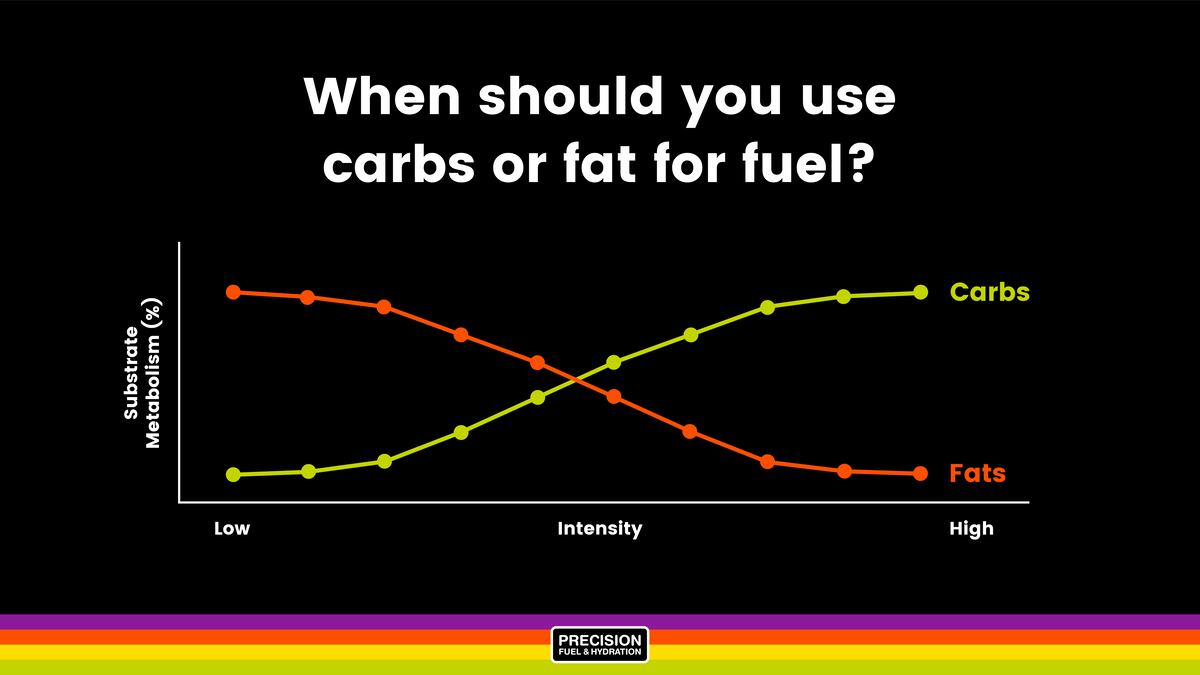
Image Source: images.ctfassets.net
The Science of Fueling Your Workouts: How Your Body Uses Carbs
Your body is a remarkable machine, constantly converting food into the energy it needs to function. When it comes to exercise, carbohydrates play a starring role. Let’s break down how this happens.
Glycogen: Your Muscles’ Stored Energy
Think of glycogen as readily available energy packets stored directly within your muscle cells and liver. When you start exercising, your body first taps into these glycogen stores. This process is called glycogenolysis, where glycogen is broken down into glucose.
- Muscle Glycogen: This is the most accessible fuel for your working muscles during exercise. The more intense or prolonged the exercise, the more muscle glycogen you’ll burn.
- Liver Glycogen: Your liver also stores glycogen and releases glucose into the bloodstream to maintain blood sugar levels. This is particularly important during longer workouts when muscle glycogen stores start to deplete, ensuring your brain and other vital organs have a continuous supply of glucose.
Glucose: Fueling the Flame
Once glycogen is broken down into glucose, it can be used directly for energy or released into the bloodstream. Glucose in your blood is the second major fuel source for exercise, especially at the start of activity and during lower-intensity movements.
The Role of Insulin
Insulin is a hormone that helps move glucose from your bloodstream into your cells, including muscle cells. During exercise, muscle cells become more sensitive to insulin, meaning they can take up glucose more efficiently from your blood, even with lower insulin levels. This increased glucose utilization is a key adaptation to regular physical activity.
Fat Burning vs. Carb Burning: A Dynamic Duo
While we’re focusing on carbs, it’s essential to acknowledge that your body also burns fat for fuel. The proportion of carbs and fats burned depends on several factors:
- Exercise Intensity: At lower intensities, your body relies more on fat. As intensity increases, your body shifts to burning more carbohydrates because they can be processed more quickly for rapid energy.
- Exercise Duration: During longer workouts, glycogen stores can become depleted, forcing your body to increase its reliance on fat for sustained energy. This is why endurance training is often associated with enhanced fat burning.
- Fitness Level: Fitter individuals tend to be more efficient at utilizing both carbs and fats. They may burn a slightly higher percentage of fat at a given intensity compared to someone less fit.
- Diet: What you eat directly impacts which fuel sources are readily available. A diet high in carbohydrates will provide more fuel for carb burning, while a diet higher in fats will make more fat available for fat burning.
How Different Types of Exercise Impact Carb Burning
The type, intensity, and duration of your exercise all play a significant role in how much carbohydrate your body burns.
Aerobic Exercise: The Carb Consumer
Aerobic exercise, also known as cardio, is any activity that increases your heart rate and breathing for an extended period. Think running, cycling, swimming, and brisk walking. These activities are excellent for burning calories and improving cardiovascular health.
- Primary Fuel: During moderate-intensity aerobic exercise, carbohydrates are the primary fuel source. Your body uses oxygen to efficiently break down glucose and glycogen for sustained energy.
- Glycogen Depletion: As the duration of aerobic exercise increases, your glycogen stores will gradually deplete. This can lead to what athletes call “hitting the wall” or “bonking” if fuel intake isn’t adequate.
- Calorie Expenditure: Aerobic exercise is highly effective at increasing calorie expenditure, which is crucial for weight loss when combined with a balanced diet. The more calories you burn, the greater the potential for creating an energy balance that supports your weight loss objectives.
Examples of Aerobic Exercise and Carb Utilization:
| Exercise Type | Intensity | Primary Fuel Source | Glycogen Use | Fat Burning Potential |
|---|---|---|---|---|
| Brisk Walking | Low-Moderate | Carbs & Fat | Moderate | Moderate |
| Jogging | Moderate | Carbs | High | Moderate |
| Cycling | Moderate | Carbs | High | Moderate |
| Swimming | Moderate | Carbs | High | Moderate |
| Running | High | Carbs | Very High | Lower |
| Long-Distance Swim | Moderate-High | Carbs | Very High | Moderate |
High-Intensity Interval Training (HIIT): The Carb Burner’s Boost
HIIT involves short bursts of very intense exercise followed by brief recovery periods. While the duration of HIIT workouts is typically shorter, the intensity has a profound impact on fuel utilization.
- Fuel Source Dominance: During the high-intensity intervals, your body relies almost exclusively on carbohydrates for energy. This is because the demand for energy is so high that the body cannot efficiently use fat as a fuel source.
- EPOC (Excess Post-exercise Oxygen Consumption): One of the significant benefits of HIIT is the “afterburn effect,” or EPOC. After a HIIT session, your body continues to burn calories at an elevated rate for hours as it recovers and restores itself. This enhanced metabolism boost contributes to overall calorie expenditure.
- Glycogen Depletion: HIIT can rapidly deplete glycogen stores due to the high intensity of the work intervals. This makes it effective for emptying those energy reserves.
- Fat Burning: While fat burning may be lower during the HIIT session itself compared to steady-state cardio, the overall calorie expenditure and the increased metabolic rate post-workout contribute significantly to fat burning and weight loss.
Strength Training: Building Muscle, Burning Calories
Strength training, or resistance training, involves using weights or your own body weight to build muscle mass. While not as aerobically demanding as cardio, it still significantly impacts your energy balance and metabolism.
- Fuel Use: During strength training, both carbohydrates and fats are used for fuel. The primary fuel source can depend on the intensity and duration of the sets and rest periods. Shorter rest periods and higher repetitions might lean more towards carbohydrate utilization.
- Metabolic Impact: The primary benefit of strength training for weight loss and fat burning comes from its ability to increase muscle mass. Muscle tissue is metabolically active, meaning it burns more calories at rest than fat tissue. This leads to a sustained metabolism boost throughout the day, contributing to greater overall calorie expenditure.
- Glycogen Use: Strength training does use glycogen, especially during more metabolically demanding exercises like squats or deadlifts. Replenishing these stores is important for muscle recovery.
Optimizing Carb Burning for Your Fitness Goals
Knowing how your body uses carbs during exercise is one thing; optimizing it for your specific fitness goals is another. Whether your aim is weight loss, improved athletic performance, or better overall health, you can tailor your approach.
For Weight Loss
The key to weight loss is creating a consistent energy balance deficit, meaning you burn more calories than you consume. Both carb burning and fat burning contribute to this.
- Combine Cardio and Strength: A balanced approach is often best. Aerobic exercise is excellent for immediate calorie expenditure, while strength training builds muscle that boosts your resting metabolism, leading to more calories burned over time.
- HIIT for Efficiency: HIIT sessions are time-efficient and can significantly boost your calorie expenditure and metabolism boost due to EPOC.
- Mindful Nutrition: While carbs are your friend for energy, consuming excess calories, regardless of the source, will hinder weight loss. Focus on nutrient-dense carbohydrates like whole grains, fruits, and vegetables.
For Endurance Performance
For activities like marathons or triathlons, efficient glucose utilization and glycogen management are critical.
- Carbohydrate Loading: In the days leading up to a long endurance event, athletes often increase their carbohydrate intake to maximize glycogen stores. This ensures they have ample fuel for prolonged aerobic exercise.
- Pacing and Fueling During Exercise: During long events, consuming easily digestible carbohydrates (like energy gels or sports drinks) helps to spare glycogen stores and maintain blood glucose levels, improving performance and delaying fatigue.
- Endurance Training: Consistent endurance training improves your body’s ability to utilize fat as a fuel source, sparing precious glycogen stores and improving your overall efficiency.
For General Health and Metabolism Boost
Even if weight loss isn’t your primary goal, incorporating exercise to burn carbs contributes to a healthier body.
- Regular Activity: Aim for at least 150 minutes of moderate-intensity aerobic exercise or 75 minutes of vigorous-intensity aerobic exercise per week, plus muscle-strengthening activities on two or more days a week.
- Variety is Key: Mixing different types of exercise, including aerobic exercise, HIIT, and strength training, ensures you benefit from varied fuel utilization patterns and maximize your metabolism boost.
- Balanced Diet: Support your exercise efforts with a balanced diet that provides adequate nutrients for energy and recovery.
Factors Affecting Carb Burning
Several individual factors influence how effectively your body burns carbohydrates during exercise.
Genetics
Your genetic makeup can play a role in how your body stores and utilizes glycogen, as well as your predisposition to burn fats or carbs. Some people may naturally be more efficient fat burners, while others may utilize carbohydrates more readily.
Hydration
Proper hydration is crucial for all metabolic processes, including the breakdown and utilization of carbohydrates. Dehydration can impair performance and reduce calorie expenditure.
Sleep
Adequate sleep is vital for hormone regulation, including those that influence metabolism and energy use. Poor sleep can negatively impact your body’s ability to efficiently burn fuel.
Stress Levels
Chronic stress can lead to hormonal imbalances that may affect how your body processes carbohydrates and stores fat.
Frequently Asked Questions (FAQ)
Q1: Does eating carbs before exercise guarantee more energy?
A1: Eating a balanced meal or snack containing carbohydrates 1-3 hours before exercise can provide readily available glucose for energy. However, the timing and type of carbohydrate are important. Too much, too close to exercise, can cause digestive discomfort.
Q2: Can I burn only fat and not carbs during exercise?
A2: While your body can burn both fat and carbohydrates, it’s rare to burn only one or the other. The proportion depends on intensity and duration. At very low intensities, fat burning might be a higher percentage, but some carbohydrate utilization is always present. Conversely, at high intensities, carbs dominate, but fat is still a minor fuel.
Q3: How do I know if I’m burning carbs or fat?
A3: Fitness trackers and some heart rate monitors offer estimations of “fat burn” or “cardio zones.” Generally, lower-intensity, longer-duration activities tend to favor fat burning, while higher-intensity, shorter-duration activities favor carb burning. However, the most significant factor for weight loss is overall calorie expenditure.
Q4: Will eating carbs after exercise hinder my weight loss?
A4: No, eating carbohydrates after exercise is generally beneficial for recovery. It helps replenish depleted glycogen stores, which is crucial for muscle repair and preparing your body for your next workout. The key is to consume them as part of a balanced overall diet.
Q5: Is it better to do cardio before or after strength training?
A5: The order can depend on your primary goal. If weight loss and maximizing calorie expenditure are your main aims, doing cardio first can deplete some glycogen, potentially leading to more fat burning during subsequent strength training. However, if strength performance is the priority, doing strength training first ensures you have maximal energy for lifting. For overall fitness, either order can be effective, and consistency is key.
In conclusion, exercise is a powerful tool for utilizing carbohydrates, providing energy, and contributing to your fitness goals. By understanding how your body fuels itself and by incorporating a variety of exercise types, you can effectively manage your energy balance, boost your metabolism, and achieve weight loss and a healthier lifestyle.