
Thinking about setting up a home gym? Many people wonder if they can build an effective workout space at home without breaking the bank. Yes, you absolutely can! Starting a home gym is achievable for everyone, regardless of your budget or the size of your living space. This guide will walk you through the essential gear, how to choose what you need, and smart tips for creating an affordable home gym that supports your fitness goals.
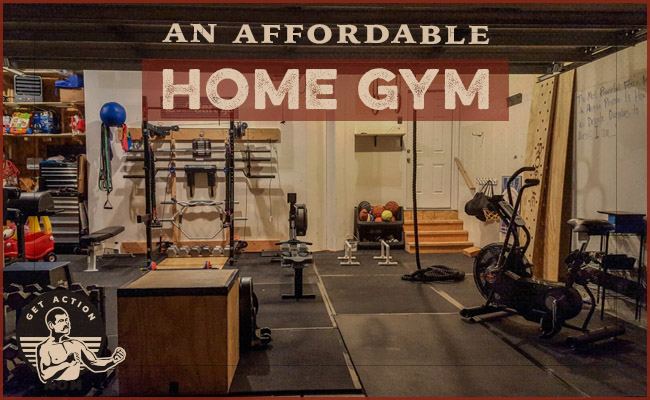
Image Source: content.artofmanliness.com
Why Build a Home Gym? The Benefits You Can’t Ignore
The allure of a home gym goes beyond just convenience. It offers a wealth of benefits that can transform your fitness journey. Forget crowded gyms, travel time, and membership fees. Your personal fitness sanctuary awaits, offering unparalleled freedom and flexibility.
Freedom and Flexibility
- Workout Anytime: Wake up early and crush a workout before the world wakes up. Or, squeeze in a session after a long day without battling traffic. Your schedule dictates your workout, not the gym’s hours.
- No Waiting for Equipment: This is a huge win! No more waiting for the squat rack or feeling rushed on a machine. Your equipment is always ready for you.
- Privacy: Some people feel self-conscious working out in public. A home gym provides a private space where you can focus on your form and effort without any external judgment.
Cost-Effectiveness Over Time
While the initial home gym cost might seem significant, consider the long-term savings. Gym memberships can add up quickly. Over several years, a home gym can be a much more economical choice, especially if you plan to use it regularly. Plus, you’re investing in your health, which is priceless.
Customization for Your Goals
Your fitness goals are unique, and your gym should reflect that. A home gym setup allows you to pick and choose the home gym equipment that directly supports your training. Whether you’re focused on strength training, cardio, yoga, or a mix, you can curate a space that’s perfectly tailored to you.
Improved Health and Well-being
Regular exercise is crucial for physical and mental health. Having a convenient workout space at home removes many barriers to staying active. This can lead to improved cardiovascular health, stronger muscles and bones, better mood, reduced stress, and enhanced overall well-being.
Designing Your Home Gym Workout Space: Location, Location, Location
Before you buy any home gym equipment, you need to decide where your gym will live. This decision will influence the size and type of equipment you can accommodate.
Finding the Right Spot
- Basement: Often a great option if you have one. Basements can be soundproofed relatively easily, offer plenty of space, and are usually cooler in the summer.
- Garage: Another popular choice, especially if you have a spare bay. Garages can offer ample space, but you might need to consider climate control (heating/cooling) and floor protection.
- Spare Room/Bedroom: If space is limited, a spare room is ideal. It’s usually climate-controlled and can be easily dedicated to your fitness.
- Corner of a Living Area: For a small home gym, even a dedicated corner can work. This requires smart storage solutions and multi-functional equipment.
Considerations for Your Home Gym Setup
- Flooring: Protect your floor and your equipment. Consider rubber mats or interlocking floor tiles. This will absorb impact, reduce noise, and prevent damage.
- Ceiling Height: Essential if you plan on doing overhead exercises like overhead presses or pull-ups. Measure your ceiling height to ensure it’s sufficient for your chosen movements.
- Ventilation: Good airflow is important for comfort and to prevent moisture buildup. If your space is enclosed, consider a fan or air purifier.
- Lighting: Bright, motivating lighting can make a big difference. Natural light is a bonus!
- Noise: If you have neighbors below or close by, consider soundproofing options or using softer weights like dumbbells instead of heavy barbell drops.
Building Your Beginner Home Gym: Essential Gear for Success
Starting out doesn’t require a massive investment. You can build a fantastic beginner home gym with a few key pieces of home gym equipment. Focus on versatility and quality for your initial purchases.
The Absolute Home Gym Essentials
These are the foundational pieces that will allow for a wide variety of exercises.
- Adjustable Dumbbells: These are a game-changer for affordable home gym setups. Instead of buying multiple sets of dumbbells, one pair of adjustable dumbbells can cover a wide range of weights. They save a ton of space and are incredibly versatile for strength training.
- Pros: Space-saving, cost-effective over time, allows for progressive overload.
- Cons: Can be more expensive upfront than a single pair of fixed dumbbells, initial weight adjustment can take a few seconds.
- Resistance Bands: A fantastic, portable, and affordable home gym option. They come in various resistance levels and can be used for a huge range of exercises, from warming up to full-body workouts. They are excellent for adding resistance to bodyweight exercises or for rehabilitation.
- Pros: Very inexpensive, portable, versatile, gentle on joints.
- Cons: Resistance levels might not be sufficient for very heavy lifting, can break over time.
- Jump Rope: A classic cardio tool that’s incredibly effective and takes up almost no space. It’s excellent for improving cardiovascular health, coordination, and agility.
- Pros: Cheap, portable, great cardio workout, improves coordination.
- Cons: Requires practice to master, can be noisy on hard surfaces.
- Yoga Mat: Even if you’re not a yogi, a good mat is essential for floor exercises, stretching, and comfort during core work.
- Pros: Provides cushioning and grip, protects floor, portable.
- Cons: Can wear out over time, some are less durable than others.
Adding More Versatility (As Your Budget Allows)
Once you have the basics, you can gradually add more equipment to expand your home gym workout space.
- Pull-Up Bar: A doorway pull-up bar is a great addition for upper body strength. They are relatively inexpensive and don’t require permanent installation.
- Pros: Builds back and bicep strength, easy to install in most doorways.
- Cons: Doorway stability is crucial, some are harder to adjust than others.
- Kettlebell(s): Kettlebells offer a unique training stimulus for strength, power, and cardio. They are great for dynamic movements like swings, cleans, and snatches.
- Pros: Versatile for strength and cardio, develops grip strength, compact.
- Cons: Requires proper form to avoid injury, can be expensive to buy a full set.
- Adjustable Bench: An adjustable bench significantly increases the number of exercises you can perform, especially with dumbbells. Look for one that can decline, incline, and lay flat.
- Pros: Expands exercise variety, supports dumbbell workouts, can be used for bodyweight exercises.
- Cons: Takes up more space, can be a significant investment.
- Suspension Trainer (e.g., TRX): These use your body weight and gravity for a challenging workout that improves strength, balance, and core stability. They are highly portable and can be anchored to doors, beams, or trees.
- Pros: Full-body workout, excellent for core and balance, portable.
- Cons: Requires a sturdy anchor point, takes practice to get used to.
Advanced Home Gym Equipment: Taking Your Workout to the Next Level
If you have more space and budget, you can consider these additions to create a more comprehensive home gym setup.
Strength Training Powerhouses
- Barbell and Weight Plates: The cornerstone of serious strength training. A standard Olympic barbell and a set of bumper plates will open up a world of exercises like squats, deadlifts, bench presses, and overhead presses.
- Pros: Allows for heavy lifting, highly versatile for compound movements.
- Cons: Significant upfront cost, requires a sturdy rack, takes up more space.
- Power Rack or Squat Stand: Absolutely essential if you’re using a barbell for heavy lifting. A power rack provides safety with its safety pins or straps, allowing you to lift to failure safely. A squat stand is a more minimalist option but still provides the necessary support.
- Pros: Essential for safe barbell lifting, allows for progressive overload, can accommodate accessories like pull-up bars.
- Cons: High cost, takes up considerable space, requires a sturdy floor.
- Cable Machine or Functional Trainer: For the ultimate in versatility and resistance training, a cable machine offers endless exercise possibilities. They provide constant tension and allow for a wide range of movements.
- Pros: Highly versatile, allows for targeted muscle work, caters to all fitness levels.
- Cons: Very expensive, requires significant space and a sturdy structure.
Cardio Equipment
- Cardio Machine (Treadmill, Elliptical, Bike, Rower): If your budget and space allow, a dedicated cardio machine can be a great addition. Choose one that aligns with your preferred cardio style.
- Pros: Dedicated cardio solution, can track progress, weather-independent.
- Cons: Expensive, takes up significant space, can be noisy.
Budget Tips for Your Home Gym: Building an Affordable Home Gym
Creating a home gym doesn’t have to cost a fortune. With smart planning and strategic purchasing, you can build an effective and affordable home gym.
Smart Shopping Strategies
- Buy Used: This is arguably the best way to save money. Check online marketplaces (Facebook Marketplace, Craigslist, eBay), garage sales, and local classifieds for home gym equipment. People often sell equipment that’s barely used when they move or change their fitness routines.
- Look for Sales and Discounts: Many fitness retailers have seasonal sales (Black Friday, New Year’s). Sign up for newsletters to get notified of deals.
- Prioritize Quality Over Quantity: It’s better to have a few high-quality, versatile pieces of equipment than many cheap, flimsy ones that will break quickly.
- DIY Home Gym Options: Get creative!
- Sandbags: Easy to make with heavy-duty bags and sand. Great for functional strength training.
- Weight Vest: Can be made using old backpacks and weights.
- Pull-up bars: Some sturdy, wall-mounted options can be less expensive than doorway ones if you’re comfortable with minor DIY.
- Tire Flips: If you have access to a large, old tire, this is a fantastic (and free!) piece of equipment for explosive training.
- Bundle Deals: Sometimes buying equipment in sets or bundles can offer a discount.
Phased Approach to Buying
Don’t feel like you need to buy everything at once. Start with the essentials and gradually add pieces as your budget allows and your needs evolve.
- Phase 1: The Foundation
- Adjustable Dumbbells
- Resistance Bands
- Yoga Mat
- Jump Rope
- Phase 2: Expanding Capabilities
- Pull-Up Bar
- Kettlebell(s)
- Adjustable Bench
- Phase 3: Serious Strength
- Barbell and Weight Plates
- Power Rack or Squat Stand
Consider Package Deals
Many online retailers offer home gym package deals that can save you money compared to buying individual items. These often include a barbell, plates, and a rack, providing a solid foundation for strength training.
Home Gym Workout Space Ideas for Small Homes
Living in a smaller space doesn’t mean you can’t have a functional home gym. The key is to be strategic with your home gym setup and choose equipment that is compact and multi-functional.
Space-Saving Equipment
- Adjustable Dumbbells: As mentioned, these are champions of space-saving.
- Folding Weight Bench: Many benches fold up for easier storage when not in use.
- Wall-Mounted Racks and Shelving: Utilize vertical space to store dumbbells, resistance bands, and other accessories.
- Suspension Trainers: Pack away easily into a small bag.
- Foldable Treadmills or Bikes: If you opt for a cardio machine, consider models that can be folded and stored away.
Creative Layouts for a Small Home Gym
- Designated Corner: Allocate a specific corner of a room for your fitness gear. Use a rug or small mats to define the space.
- Multi-Purpose Furniture: Some benches have built-in storage. You can also use ottomans with storage for smaller items.
- Wall Mounts and Pegboards: Keep your home gym essentials organized and off the floor. Pegboards are excellent for hanging resistance bands, jump ropes, and smaller accessories.
Frequently Asked Questions About Starting a Home Gym
Here are answers to common questions people have when starting their home gym journey.
What is the minimum equipment needed for a home gym?
The minimum equipment for a beginner home gym typically includes a set of resistance bands, a yoga mat, and a pair of adjustable dumbbells or a few pairs of fixed dumbbells. These items allow for a wide range of full-body exercises.
Can I build a functional home gym on a tight budget?
Yes, absolutely! By focusing on affordable home gym options like resistance bands, used equipment, and DIY home gym projects, you can create a very functional workout space without spending a lot of money.
How much space do I really need for a home gym?
You can set up a small home gym in as little as a 6×6 foot area. Even a corner of a room can suffice if you choose compact and versatile equipment. If you plan on using barbells and a rack, you’ll need more space, including adequate ceiling height.
Is a home gym worth the cost?
For most people who are consistent with their workouts, a home gym is absolutely worth the cost over time. The convenience, flexibility, and long-term savings on membership fees often outweigh the initial investment.
What are the biggest benefits of having a home gym?
The home gym benefits include unparalleled convenience and flexibility, privacy, cost savings over time, and the ability to fully customize your workout space to your specific needs and preferences.
How do I maintain my home gym equipment?
Regular cleaning with appropriate disinfectants will keep your equipment hygienic. For equipment like adjustable dumbbells or benches, check for loose bolts or wear and tear periodically. For cardio machines, follow the manufacturer’s maintenance guidelines.
Should I get an elliptical, treadmill, or rower?
The best choice depends on your fitness goals and preferences.
* Treadmills are great for running and walking, offering a high-impact cardio workout.
* Ellipticals provide a low-impact, full-body cardio workout.
* Rowers offer a full-body, low-impact workout that targets both strength and cardiovascular fitness.
How do I stay motivated to use my home gym?
Set clear goals, create a consistent schedule, find workout buddies (even virtual ones), and vary your workouts to keep things interesting. Having your home gym workout space easily accessible is a major motivator in itself!
Starting your home gym journey is an exciting step towards prioritizing your health and fitness. By focusing on essential gear, smart budgeting, and a well-planned home gym setup, you can create a space that empowers you to achieve your fitness goals, all from the comfort and convenience of your own home. Happy training!