
So, you’re asking, “How much does it cost to open a gym?” Generally, you can expect to spend anywhere from $20,000 for a very small, niche studio with minimal equipment to over $1,000,000 for a large, full-service fitness center. This wide range highlights the importance of a solid gym business plan to accurately estimate your gym startup costs.
Opening a gym is an exciting venture, but it requires careful financial planning. From the initial equipment purchase to ongoing monthly bills, every aspect demands a budget. This guide will break down the typical expenses you’ll encounter, helping you map out your investment and get your fitness business off the ground.
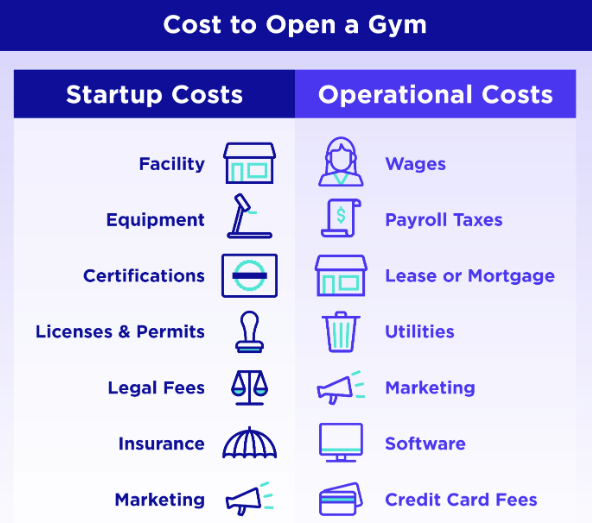
Image Source: wod.guru
Estimating Your Total Gym Startup Costs
The first step in planning your gym’s finances is to create a detailed gym business plan. This document will serve as your roadmap, outlining your business goals, target market, marketing strategies, and crucially, your projected expenses. Without a clear plan, it’s easy to underestimate the costs involved.
Here’s a comprehensive look at the key areas that contribute to your gym startup costs:
Securing the Perfect Gym Location Costs
The physical space is one of the most significant expenses. Your gym location costs will vary dramatically based on several factors:
- Geographic Area: Rent in a bustling city center will be far higher than in a suburban town.
- Size of the Space: A larger facility naturally commands higher rent.
- Condition of the Space: A pre-built fitness space might cost more upfront but require less renovation than a raw industrial unit.
- Lease Terms: Negotiating favorable lease terms can save you money in the long run.
Typical Costs for Gym Location:
- Lease Deposit: Often equivalent to 1-3 months’ rent.
- First Month’s Rent: Paid upfront.
- Tenant Improvements/Renovations: This can include anything from painting and flooring to major structural changes, electrical work, and plumbing. This is where costs can skyrocket.
- Architectural and Design Fees: If you’re planning custom layouts or significant renovations.
Table: Estimated Monthly Rent and Deposit by Location Type
| Location Type | Estimated Monthly Rent | Security Deposit (1-3x Rent) |
|---|---|---|
| Small Town/Rural | $1,000 – $3,000 | $1,000 – $9,000 |
| Suburban | $3,000 – $7,000 | $3,000 – $21,000 |
| Urban/Metropolitan | $7,000 – $20,000+ | $7,000 – $60,000+ |
Tip: Look for spaces with good visibility, ample parking, and accessibility for your target demographic. Consider the zoning regulations for commercial fitness businesses.
The Essential Gym Equipment Investment
This is where a large chunk of your budget will go. Your gym equipment investment depends heavily on the type of gym you plan to open. A CrossFit box will have different needs than a yoga studio or a full-service gym.
- Cardiovascular Machines: Treadmills, ellipticals, stationary bikes, rowers.
- Strength Training Equipment: Dumbbells, barbells, weight plates, weight machines, resistance bands, kettlebells.
- Functional Training Gear: TRX, medicine balls, battle ropes, plyometric boxes.
- Flooring: Rubber flooring for weight areas, mats for studios.
- Mirrors: Essential for form correction.
- Sound System: For background music and class instruction.
- Other Amenities: Water coolers, lockers, changing room essentials.
Purchasing Options:
- New Equipment: Higher upfront cost, but often comes with warranties and the latest technology.
- Used Equipment: Significantly cheaper, but inspect thoroughly for wear and tear. Warranties may be limited or non-existent.
- Leasing Equipment: Lower upfront cost, but you’ll pay more over time. Good for businesses with tight initial capital.
Table: Estimated Costs for Gym Equipment (New)
| Equipment Category | Range per Item | Estimated Total for Small Gym | Estimated Total for Mid-Size Gym |
|---|---|---|---|
| Treadmills | $2,000 – $7,000 | $4,000 – $14,000 | $8,000 – $28,000 |
| Ellipticals/Bikes | $1,000 – $4,000 | $2,000 – $8,000 | $4,000 – $16,000 |
| Weight Machines (Set) | $1,000 – $5,000 | $5,000 – $25,000 | $15,000 – $75,000 |
| Dumbbells (Set) | $500 – $2,000 | $1,000 – $4,000 | $2,000 – $8,000 |
| Barbells/Plates/Racks | $800 – $3,000 | $2,400 – $9,000 | $7,200 – $27,000 |
| Functional Training Gear | $100 – $1,000 | $500 – $2,500 | $1,000 – $5,000 |
| Flooring/Mats | $1 – $5 per sq ft | $1,000 – $5,000 | $3,000 – $15,000 |
| Total Estimate | $15,900 – $67,500 | $30,200 – $174,000 |
Note: These are estimates and can vary widely based on brands and quality.
Essential Gym Licensing and Permits
Navigating the legalities is crucial. You’ll need to secure the correct gym licensing and permits to operate legally. Requirements vary by state, county, and city.
- Business License: A general license to operate a business in your chosen locality.
- Health and Safety Permits: Ensuring your facility meets public health standards.
- Zoning Permits: Confirming your location is zoned for a fitness business.
- Building Permits: If you undertake any construction or renovation.
- CPR/First Aid Certification: While not always a permit, it’s essential for staff.
- Music Licensing: If you play copyrighted music, you’ll need licenses from organizations like ASCAP, BMI, and SESAC.
Estimated Costs for Licensing and Permits:
- Business License: $50 – $500
- Health Department Permit: $100 – $500
- Building Permits: Varies widely based on project scope, from $100 to thousands.
- Music Licensing: $200 – $1,000+ annually, depending on the size and usage.
Tip: Contact your local Chamber of Commerce or city hall for a definitive list of required licenses and permits.
Building Your Gym Membership Pricing Strategy
Your gym membership pricing is a critical revenue stream. It needs to be competitive yet profitable. Consider your operating costs, target market, and what similar gyms in your area charge.
Pricing Models:
- Monthly Memberships: The most common. Offer different tiers (e.g., basic access, premium with classes).
- Annual Memberships: Often offer a discount for upfront payment.
- Drop-in Rates: For non-members or occasional visitors.
- Class Packages: For studios focusing on specific classes.
- Personal Training Packages: A significant revenue generator.
Factors Influencing Pricing:
- Amenities Offered: Pool, sauna, group classes, childcare.
- Equipment Quality and Quantity.
- Location and Target Demographic.
- Operating Costs.
- Competitor Pricing.
Table: Example Monthly Membership Pricing
| Membership Type | Target Market | Price Range (Monthly) |
|---|---|---|
| Basic Access | Budget-conscious, solo users | $30 – $60 |
| Premium Access | Users wanting more amenities | $50 – $100 |
| Unlimited Classes | Class-focused users | $70 – $150+ |
| Family Membership | Households with multiple users | $80 – $150+ |
| Student/Senior Discount | Specific demographics | $25 – $50 |
Tip: Offer introductory discounts or founder memberships to attract early adopters.
The Crucial Gym Marketing Budget
Getting the word out is vital for attracting members. Your gym marketing budget should cover a range of activities.
- Website Development and Hosting: A professional website is essential.
- Social Media Marketing: Paid ads, content creation.
- Local Advertising: Flyers, local newspapers, radio ads.
- Grand Opening Events: To create buzz.
- Signage: Both exterior and interior.
- Branding and Logo Design.
- Email Marketing Software.
- SEO (Search Engine Optimization): To improve online visibility.
Estimated Marketing Budget Allocation:
- Website: $500 – $5,000+ (one-time, plus hosting $20 – $100/month)
- Digital Advertising (Social Media, Google Ads): $300 – $2,000+/month
- Print Advertising/Flyers: $100 – $500 (per campaign)
- Signage: $500 – $5,000+ (one-time)
- Grand Opening Event: $500 – $3,000+
- Branding/Logo: $100 – $2,000+
Tip: Focus your initial marketing efforts on your local community. Leverage social media to build a following before you even open.
Setting Up Your Gym Operational Expenses
These are the recurring costs of running your gym day-to-day. Proper forecasting of gym operational expenses is key to long-term sustainability.
- Rent/Mortgage: Your primary fixed cost.
- Utilities: Electricity, water, gas, internet, phone.
- Insurance: Liability insurance is non-negotiable. Consider property insurance as well.
- Cleaning and Maintenance: Keeping your facility spotless.
- Software Subscriptions: Membership management, scheduling, accounting.
- Supplies: Cleaning supplies, paper towels, toilet paper, first-aid supplies.
- Marketing and Advertising (ongoing): As discussed above.
- Repairs and Upgrades: For equipment and facilities.
- Bank Fees and Loan Payments.
Table: Estimated Monthly Operational Expenses
| Expense Category | Estimated Monthly Cost (Small Gym) | Estimated Monthly Cost (Mid-Size Gym) |
|---|---|---|
| Rent | $1,000 – $7,000 | $3,000 – $20,000+ |
| Utilities (Elec, Water, Gas) | $300 – $1,000 | $800 – $3,000 |
| Internet/Phone | $50 – $150 | $100 – $300 |
| Insurance (Liability) | $100 – $300 | $200 – $600 |
| Cleaning & Maintenance | $200 – $500 | $400 – $1,200 |
| Software Subscriptions | $50 – $200 | $100 – $400 |
| Supplies | $50 – $150 | $100 – $300 |
| Marketing | $300 – $1,500 | $500 – $3,000 |
| Total Estimate | $2,050 – $10,800 | $5,100 – $31,800+ |
Tip: Build a contingency fund for unexpected operational costs. Energy-efficient equipment and lighting can help manage utility bills.
The Essential Gym Staffing Costs
Depending on your gym’s size and services, you’ll need staff. Gym staffing costs are a significant part of your operational budget.
- Gym Managers: Oversee daily operations.
- Front Desk Staff: Handle check-ins, memberships, and customer inquiries.
- Personal Trainers: Certified professionals who provide one-on-one training.
- Group Fitness Instructors: Lead classes like yoga, spin, HIIT.
- Cleaning Staff: To maintain hygiene.
- Maintenance Staff: For equipment upkeep.
Compensation:
- Hourly Wages: For front desk, cleaning, and some instructors.
- Salaries: For managers and full-time trainers.
- Commission: For personal trainers based on client bookings.
- Contractual Agreements: For freelance instructors.
Table: Estimated Annual Staffing Costs (Salaries & Wages)
| Staff Position | Number of Staff (Small Gym) | Number of Staff (Mid-Size Gym) | Estimated Annual Cost (Small) | Estimated Annual Cost (Mid-Size) |
|---|---|---|---|---|
| Manager | 0-1 | 1 | $0 – $40,000 | $40,000 – $60,000 |
| Front Desk Staff | 1-2 | 2-4 | $20,000 – $40,000 | $40,000 – $80,000 |
| Personal Trainers | 1-3 (part-time/contract) | 3-7 (part-time/contract) | $10,000 – $30,000 | $30,000 – $100,000 |
| Group Fitness Instructors | 1-3 (part-time/contract) | 3-5 (part-time/contract) | $5,000 – $15,000 | $15,000 – $40,000 |
| Cleaning Staff | 0-1 (outsourced/part-time) | 1-2 (outsourced/part-time) | $0 – $10,000 | $10,000 – $30,000 |
| Total Estimate | $35,000 – $95,000 | $135,000 – $310,000 |
Note: These estimates do not include payroll taxes, benefits, or workers’ compensation.
Tip: Consider hiring part-time or contract staff initially to manage costs. Invest in good trainers; they are often your biggest asset.
Other Important Gym Startup Costs
Beyond the major categories, there are other expenses to factor in:
- Technology: Computers, POS system, membership management software.
- Legal Fees: For drafting contracts, leases, and business formation.
- Accounting Fees: For setting up your books and financial tracking.
- Initial Inventory: Supplements, branded merchandise, water bottles.
- Contingency Fund: Always set aside 10-20% of your total budget for unforeseen expenses. This is crucial!
Assembling Your Total Gym Startup Cost Estimate
Let’s pull everything together into a rough estimate. Remember, these are broad ranges, and your actual costs will depend on your specific business model and location.
Table: Total Estimated Gym Startup Costs
| Expense Category | Estimated Low End (Small Gym) | Estimated High End (Small Gym) | Estimated Low End (Mid-Size Gym) | Estimated High End (Mid-Size Gym) |
|---|---|---|---|---|
| Location Costs | ||||
| Lease Deposit & First Month | $2,000 | $10,000 | $10,000 | $50,000 |
| Tenant Improvements/Renovations | $5,000 | $20,000 | $15,000 | $100,000 |
| Gym Equipment Investment | $15,900 | $67,500 | $30,200 | $174,000 |
| Gym Licensing and Permits | $200 | $1,000 | $300 | $2,000 |
| Initial Marketing & Branding | $1,000 | $5,000 | $2,000 | $10,000 |
| Technology & Software | $1,000 | $5,000 | $2,000 | $8,000 |
| Legal & Accounting Fees | $500 | $3,000 | $1,000 | $5,000 |
| Initial Inventory/Supplies | $200 | $1,000 | $500 | $2,000 |
| Contingency Fund (15%) | $4,200 | $15,000 | $9,000 | $45,000 |
| TOTAL ESTIMATED STARTUP COSTS | $30,000 | $127,500 | $70,000 | $396,000 |
These figures are indicative and can fluctuate significantly.
Financing Your Gym Venture
Most new gym owners require financing. Here are common avenues:
- Personal Savings: Using your own money reduces debt but carries personal risk.
- Loans from Family and Friends: Be sure to formalize these agreements.
- Small Business Administration (SBA) Loans: Government-backed loans with favorable terms.
- Bank Loans: Traditional business loans requiring a solid business plan and good credit.
- Equipment Financing/Leasing: Specifically for purchasing gym equipment.
- Crowdfunding: For niche or community-focused gyms.
- Angel Investors/Venture Capital: For gyms with high growth potential, but expect to give up equity.
Creating a Robust Gym Business Plan
Your gym business plan is your blueprint for success. It should include:
- Executive Summary: A brief overview of your business.
- Company Description: What type of gym are you?
- Market Analysis: Who is your target audience? Who are your competitors?
- Organization and Management: Your team structure.
- Service or Product Line: What classes, training, or equipment will you offer?
- Marketing and Sales Strategy: How will you attract and retain members? This is where your gym marketing budget is detailed.
- Funding Request: How much money you need and how you’ll use it.
- Financial Projections: Sales forecasts, profit and loss statements, cash flow projections. This section heavily relies on accurate gym operational expenses and gym membership pricing.
- Appendix: Supporting documents like resumes, permits, etc.
Frequently Asked Questions (FAQ)
Q1: What is the minimum amount needed to open a gym?
A1: You could potentially open a very small, niche studio with minimal equipment for as little as $20,000 to $30,000, but this would require extreme cost-saving measures and likely involve significant personal labor.
Q2: Can I open a gym with no money?
A2: It’s highly unlikely to open a viable gym with absolutely no capital. You’ll need funds for rent, basic equipment, licensing, and initial marketing. However, creative financing and leveraging personal networks can significantly reduce the capital you need from external sources.
Q3: How long does it take to make a profit from a gym?
A3: Profitability can take anywhere from 6 months to 3 years, depending on your business model, membership growth, gym membership pricing, and effective management of gym operational expenses.
Q4: What are the most common mistakes new gym owners make?
A4: Underestimating startup costs, insufficient marketing, poor location choice, inadequate staffing, and failing to build a strong community are common pitfalls.
Q5: Is it better to buy new or used gym equipment?
A5: New equipment offers warranties and the latest features but is more expensive. Used equipment is cheaper but may require more maintenance and lack warranties. Consider your budget and risk tolerance.
By thoroughly researching, planning, and budgeting, you can navigate the financial landscape of opening a gym with confidence. Your gym business plan will be your most valuable tool in ensuring your fitness venture is built on a solid financial foundation.