
Your feet are amazing. They carry you everywhere. But sometimes, when you try to get fit or play sports, your feet start to hurt. Why do my feet hurt when I exercise? This common problem happens for many reasons. It can be from wearing the wrong shoes, doing too much too fast, or having certain foot issues like sore heels, arches, or the balls of your feet. Let’s look at why this happens and how you can make it stop.
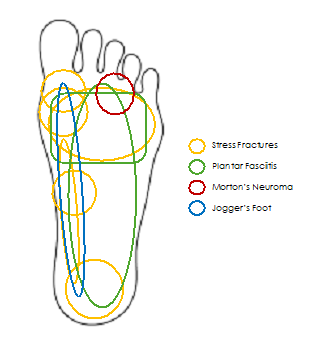
Image Source: phx-nurofen-uk.prod.gcp-husky-2-media.rbcloud.io
Why Your Feet Get Sore When You Move
Moving your body is good for you. But your feet take a lot of stress. Each step you take puts force on your feet. When you run or jump, this force is even bigger. This extra work can make parts of your feet hurt.
Your feet have many bones, muscles, and other parts. They work together. If one part is weak or hurt, the whole foot can feel pain. This pain can start slowly or hit you right away. It might feel like a dull ache or a sharp sting.
Many things can cause this exercise induced foot pain. It could be simple overuse. It could be a real injury. Or it might be how you walk or the shoes you wear. Let’s look at the main reasons your feet might hurt when you exercise.
Common Problems That Make Feet Hurt
Lots of things can go wrong in your feet. Especially when they are working hard during exercise. Here are some frequent causes of foot pain during walking or running.
Heel Pain After Workout
Pain in the heel is very common. Especially after you finish exercising.
What Causes Heel Pain?
- Plantar Fasciitis: This is a big one. It’s a very common cause of heel pain. It hurts the band of tissue that runs along the bottom of your foot. This band goes from your heel to your toes. It helps hold up your arch. When this band gets stretched too much, it can get sore and swollen. This often causes sharp heel pain. It’s worse in the morning. It often gets worse with activities like plantar fasciitis running. Heel pain after workout is a key sign of this issue.
- Heel Spurs: These are small bony growths. They can form on the heel bone. They often happen with plantar fasciitis. The spur itself might not hurt. But it can poke into soft tissues. This causes pain.
- Achilles Tendinitis: The Achilles tendon connects your calf muscle to your heel bone. If this tendon gets sore or inflamed, it hurts. This pain is usually at the back of the heel. It gets worse when you run or jump.
Arch Pain Exercise
The arch of your foot is like a spring. It helps you push off the ground. If your arch doesn’t work right, it can cause pain. Arch pain exercise often points to issues with how your foot is shaped or how it moves.
Why Does the Arch Hurt?
- Plantar Fasciitis: Yes, this one again. It hurts the heel and the arch. It causes pain along the bottom of the foot. This is because the band holding the arch is sore.
- Flat Feet: Some people have very low arches. Or no arches at all. This means the foot doesn’t absorb shock well. It puts more stress on the arch area. Exercise can make this pain worse.
- High Arches: Some people have very high arches. This can also cause problems. The foot might be too stiff. It doesn’t spread the impact well. This can put too much pressure on the ball and heel of the foot. This can lead to arch pain exercise.
- Tibialis Posterior Tendinitis: This is a tendon in the ankle. It helps support the arch. If it gets sore, it can lead to pain in the arch. This is often seen in people with flat feet.
Ball of Foot Pain Exercise
The ball of your foot is the area just behind your toes. It takes a lot of pressure when you walk or run. Pain here is called metatarsalgia.
Reasons for Pain Here
- Metatarsalgia: This is just a general term for pain in the ball of the foot. It’s not one specific problem. It can be caused by:
- Wearing shoes that are too tight or have high heels.
- High impact exercise, especially on hard surfaces.
- Having certain foot shapes.
- Losing the fat pad under the ball of the foot.
- Doing a lot of running or jumping. This causes ball of foot pain exercise.
- Morton’s Neuroma: This is a nerve problem. A nerve between the toe bones gets pinched. It often feels like a burning pain. Or like you are walking on a pebble. It usually happens between the third and fourth toes. Tight shoes can make it worse. Exercise can also make it flare up.
- Sesamoiditis: Sesamoids are two tiny bones. They are under the big toe joint. They help the big toe move. If these bones or the tendons around them get sore, it hurts. This pain is right under the ball of the foot near the big toe. Activities that bend the big toe a lot, like dancing or running, can cause this.
Stress Fracture Foot Pain
This is a more serious problem. A stress fracture is a tiny crack in a bone. It’s not a sudden break. It happens over time. Repeated stress on the bone causes it.
How Stress Fractures Happen
- Doing too much, too fast: If you suddenly start exercising much more, your bones might not be ready. This is a key causes of foot pain during walking or running that gets worse with impact.
- Hard Surfaces: Running on concrete or asphalt puts more stress on bones.
- Poor Shoes: Shoes that don’t cushion well increase the risk.
- Weak Bones: Things like low bone density can make stress fractures more likely.
Stress fracture foot pain often starts as a deep ache. It gets worse when you exercise. It feels better when you rest. If you press on the bone where it hurts, it might be very tender. This needs a doctor to check.
Other Causes of Exercise Foot Pain
Beyond the common ones, other issues can cause aching feet after running or other activities.
- Tendinitis: Any tendon in the foot can get sore. Overuse is often the cause. For example, if tendons on the top of your foot get sore, it’s called extensor tendinitis. This can cause pain on the top of your foot when you walk or run.
- Bunions: This is a bump on the joint at the base of the big toe. It happens when the big toe leans toward the other toes. Exercise, especially in tight shoes, can make a bunion hurt.
- Hammer Toes: This is when a toe bends upward at the middle joint. This can cause pain on the top of the bent joint or under the ball of the foot. Exercise can worsen the pain due to pressure from shoes.
- Poor Circulation: Sometimes, pain is not just about bones or muscles. If blood flow to the feet is not good, it can cause pain. This might happen during exercise when muscles need more blood.
- Nerve Problems: Besides Morton’s Neuroma, other nerve issues can cause pain, tingling, or numbness. Diabetes can cause nerve damage in the feet. Exercise might make these feelings stronger.
Interpreting Foot Pain Symptoms
Knowing where your foot hurts and how it feels helps figure out the problem.
Where Does It Hurt?
- Heel: Often Plantar Fasciitis or heel spur. Could be Achilles issues (back of heel).
- Arch: Often Plantar Fasciitis, flat feet, or high arches.
- Ball of Foot: Could be Metatarsalgia, Morton’s Neuroma, or Sesamoiditis. Ball of foot pain exercise is a key sign.
- Top of Foot: Often tendinitis. Can also be a stress fracture.
- Toes: Bunions, hammer toes, or nerve issues between toes.
How Does It Feel?
- Sharp, Stinging: Often Plantar Fasciitis or Morton’s Neuroma.
- Dull Ache: Can be overuse, muscle strain, or early stress fracture. Aching feet after running is often a dull ache.
- Burning: Often nerve related, like Morton’s Neuroma.
- Pain gets worse with exercise, better with rest: Common with stress fractures and overuse injuries. Heel pain after workout that eases with rest suggests this.
- Pain is bad first steps in the morning: Classic Plantar Fasciitis sign.
Table of Common Foot Pains During Exercise
| Pain Location | Possible Cause(s) | How it Might Feel | Common Activities That Worsen It |
|---|---|---|---|
| Heel (Bottom) | Plantar Fasciitis, Heel Spur | Sharp with first steps, dull ache with activity | Running, jumping, standing |
| Heel (Back) | Achilles Tendinitis | Pain above heel, feels stiff | Running, jumping, calf raises |
| Arch | Plantar Fasciitis, Flat/High Arch, Tendinitis | Ache or strain along arch | Running, walking, standing long |
| Ball of Foot | Metatarsalgia, Morton’s Neuroma, Sesamoiditis | Burning, aching, feeling like a pebble | Running, jumping, tight shoes |
| Top of Foot | Tendinitis, Stress Fracture | Ache, pain when bending foot up or down | Walking, running |
| Specific Bone Area | Stress Fracture | Deep ache, tender when pressed | Impact activities |
| Toe Joints/Toes | Bunions, Hammer Toes, Nerve issues | Pain in joint, rubbing/pressure from shoes | Walking, running (especially in tight shoes) |
Getting Relief for Sore Feet
The good news is that you can do many things to help your feet feel better. And stop the pain from coming back.
Rest and Recovery
This is step one. If your feet hurt, give them a break. Stop the activity that causes pain. This does not mean you have to stop all exercise. You might try activities that are easier on your feet. Things like swimming, cycling, or using an elliptical machine.
Why Rest Helps
- It gives your injured tissues time to heal.
- It stops you from making the problem worse.
- It reduces swelling and soreness.
Listen to your body. If it hurts, stop. Don’t try to push through bad pain. Exercise induced foot pain is a signal. Pay attention to it.
Ice and Elevation
Putting ice on the sore spot can help. Ice helps reduce swelling and pain. Wrap ice in a cloth. Put it on the sore area for 15-20 minutes. You can do this a few times a day.
Raising your feet higher than your heart can also help. This helps fluid drain away. It lowers swelling. Prop your feet up on pillows when you are sitting or lying down.
Choosing the Best Shoes for Foot Pain
Wearing the right shoes is super important. Especially if you exercise a lot. The wrong shoes can cause or worsen many foot problems. Best shoes for foot pain depends on your feet and your activity.
What to Look For in Shoes
- Good Cushioning: This helps absorb the shock of impact. This is key for runners or people who jump.
- Proper Support: Your shoe should support your arch. This helps keep your foot stable. It can help with arch pain exercise and plantar fasciitis.
- Good Fit: Your shoes should not be too tight or too loose. Your toes should have room to wiggle. Make sure the width is right too. A shoe that is too narrow can cause ball of foot pain exercise or make bunions hurt.
- Flexibility in the right places: The shoe should bend at the ball of the foot. But it should not be too floppy in the middle.
- Match the activity: Wear running shoes for running. Wear walking shoes for walking. Cross-training shoes are good for varied activities. Don’t run in old casual sneakers.
It’s often best to go to a shoe store that knows about athletic shoes. They can look at your feet. They can watch you walk or run. This helps them suggest shoes that fit your foot shape and how your foot moves.
Using Inserts or Orthotics
Sometimes, extra support is needed inside the shoe.
- Over-the-counter inserts: You can buy these at drugstores or shoe stores. They add cushioning or arch support. Simple heel cups can help with heel pain after workout.
- Custom Orthotics: A doctor or foot specialist can prescribe these. They are made just for your feet. They can help correct issues with how your foot moves. This can greatly help with severe arch pain exercise or problems caused by flat or high arches.
Orthotics change the way your foot hits the ground. This can take stress off sore areas. They can be very helpful for conditions like plantar fasciitis running.
Learning Simple Stretches for Foot Pain Relief
Stretching can make a big difference. Tight muscles and tendons can pull on parts of your foot. Stretching helps them relax and become more flexible. This can relieve pressure.
Key Stretches for Foot Pain Relief
- Calf Stretches: Tight calf muscles are often linked to plantar fasciitis and Achilles tendinitis.
- Wall Push Stretch: Stand facing a wall. Put hands on the wall. Step one foot back. Keep back leg straight, heel on the floor. Lean into the wall. Feel the stretch in the back calf. Hold 30 seconds. Switch legs.
- Stair Stretch: Stand on a stair with the balls of your feet on the step. Let your heels hang off the edge. Gently lower your heels. Feel the stretch in your calves. Hold 30 seconds.
- Plantar Fascia Stretch: This stretches the band on the bottom of your foot.
- Sit down. Cross one foot over the other knee. Grab your toes and pull them back towards your shin. Hold 30 seconds. You should feel the stretch in your arch and heel.
- You can also roll your foot over a water bottle (cold or frozen) or a foam roller. This massages and stretches the fascia.
- Towel Stretch: Sit with legs straight out. Loop a towel around the ball of one foot. Hold the ends of the towel. Gently pull your toes towards your body. Keep your knee straight. Hold 30 seconds.
- Toe Curls/Marble Pickups: This helps strengthen foot muscles. Curl your toes as if grabbing something. Or try picking up marbles or a towel with your toes.
Do these stretches gently. Don’t bounce. Hold the stretch steady. Do them regularly, not just when your feet hurt. Making stretching part of your routine can help prevent aching feet after running.
Considering Strengthening Exercises
Stronger foot and ankle muscles provide better support. They can help absorb shock. This reduces the load on bones and ligaments.
Simple Foot Strength Builders
- Calf Raises: Stand and slowly rise up onto the balls of your feet. Hold for a second. Slowly lower down. Do a few sets of 10-15.
- Toe Spreads: Sit and try to spread your toes apart as wide as you can. Hold for a few seconds. Relax. Repeat.
- Ankle Circles: Sit or stand. Lift one foot slightly. Make circles with your ankle, both ways. Do this for 15-20 circles each way.
These simple exercises can help build strength. This can reduce the risk of exercise induced foot pain.
Looking at Your Exercise Routine
How you exercise matters. If you get aching feet after running or other activities, look at what you are doing.
Smart Exercise Habits
- Start Slow: Don’t do too much too soon. If you are new to an activity, start with short sessions. Do it less often. Slowly add more time or intensity. This is very important for preventing stress fractures. Suddenly increasing distance or speed is a major causes of foot pain during walking or running.
- Warm Up: Spend 5-10 minutes doing light movement before you exercise hard. This gets your blood flowing and muscles ready.
- Cool Down: After exercise, do some gentle stretching. Include the stretches for your feet and calves.
- Vary Your Activities: Don’t just do one type of exercise. Mix running with swimming, cycling, or weight training. This works different muscles. It gives some parts of your body a break while others work. This reduces repetitive stress on your feet.
- Surface Matters: Running on softer surfaces like trails or grass is easier on your feet than concrete.
Checking Your Technique
How you walk or run can affect your feet. Are your feet rolling in too much (pronation)? Are they not rolling enough (supination)? These gait issues can cause problems like arch pain exercise or tendinitis. Sometimes, small changes in how you move can help. A running coach or physical therapist can watch you and give tips.
When to Seek Medical Help
Most foot pain from exercise gets better with rest, ice, and simple care. But sometimes, you need a doctor to look at it.
See a Doctor If:
- The pain is very bad.
- You cannot put weight on your foot.
- The pain does not get better after a week or two of rest and simple care.
- You see swelling or bruising that is bad.
- You feel a popping or snapping when the pain started.
- You think you might have a stress fracture foot pain.
- The pain keeps coming back even after trying home care and changing shoes.
A doctor can find out exactly what is wrong. They might take X-rays. They might suggest physical therapy. Or special shoe inserts. Getting the right diagnosis helps you get the right treatment.
Preventing Foot Pain in the Future
Once your feet feel better, you want to keep them that way.
Steps for Prevention
- Wear Good Shoes: Always choose shoes that fit well and support your feet for your activity. Replace running shoes every 300-500 miles.
- Listen to Your Body: Don’t ignore little aches. They can turn into big problems.
- Increase Activity Slowly: Follow the 10% rule. Don’t increase your exercise time, distance, or weight by more than 10% each week.
- Stretch and Strengthen: Keep doing those stretches for foot pain relief and simple strengthening exercises regularly.
- Maintain a Healthy Weight: Extra weight puts more stress on your feet.
- Address Foot Issues Early: If you know you have flat feet or high arches, talk to a doctor about the best shoes or inserts to help.
By taking care of your feet, you can enjoy exercise without pain. Exercise induced foot pain does not have to stop you from being active.
Frequently Asked Questions About Foot Pain and Exercise
Q: Is it okay to exercise if my foot hurts just a little?
A: A little soreness is sometimes normal. But if it’s sharp pain or gets worse as you go, stop. Don’t push through pain that feels like an injury. Rest is often best.
Q: How can I tell if it’s plantar fasciitis or just a sore arch?
A: Plantar fasciitis usually causes sharp pain in the heel, especially the first steps in the morning or after rest. Arch pain exercise can be from other things too, but plantar fasciitis is a common cause. If the pain is bad in the heel area, it’s likely plantar fasciitis.
Q: My heels hurt only after I run. What does that mean?
A: Heel pain after workout, especially running, is a classic sign of plantar fasciitis or a heel spur issue. Check your shoes, stretch your calves, and try icing your heel. If it doesn’t improve, see a doctor.
Q: Can the wrong socks cause foot pain during exercise?
A: Yes, socks can matter. Cotton socks hold moisture and can cause blisters. Blisters can lead to pain that changes how you walk. Wear socks made of synthetic materials that wick away sweat.
Q: How long does it take for foot pain from exercise to go away?
A: It depends on the cause. Simple overuse or muscle soreness might get better in a few days with rest. Plantar fasciitis can take weeks or even months to fully heal. A stress fracture can take 6-8 weeks or longer. Be patient and follow care steps.
Q: Should I wear supportive shoes all the time, even at home?
A: If you have conditions like plantar fasciitis, wearing supportive shoes or sandals indoors can help keep your foot happy and reduce stress on the arch and heel. Going barefoot on hard floors can sometimes make it worse.
Summing It Up
Foot pain when you exercise is a signal. It tells you something is not right. It could be simple overuse. It could be your shoes. Or it could be a specific problem like plantar fasciitis running or a stress fracture foot pain.
Paying attention to where and how your foot hurts is important. Giving your feet rest, using ice, and stretching can help. Wearing best shoes for foot pain and using inserts can make a big difference. Changing how you exercise can also help prevent pain.
Don’t let exercise induced foot pain stop you from being active. Learn why it’s happening. Take steps to fix it. And see a doctor if the pain is bad or won’t go away. Your feet work hard for you. Taking care of them helps you stay moving and healthy.