
Can you make money selling fitness programs online? Yes, absolutely! Selling fitness programs online is a fantastic way to reach a global audience, share your expertise, and build a thriving business. This comprehensive guide will walk you through the essential steps to master online sales and achieve significant fitness business growth.
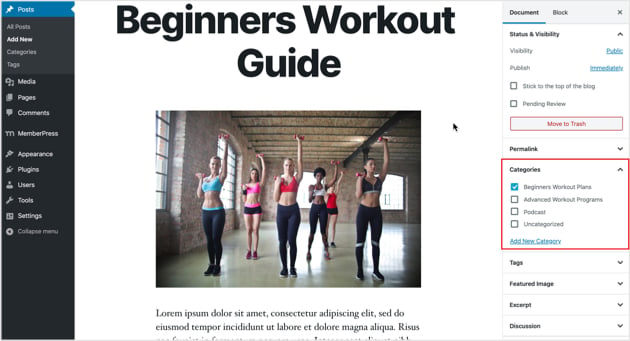
Image Source: www.seedprod.com
Building Your Foundation: What You Need to Start
Before you dive into selling, you need a solid plan. This involves identifying your niche, defining your ideal client, and structuring your offerings.
Finding Your Niche
What specific area of fitness are you passionate about? This could be anything from weight loss for busy moms to strength training for seniors or yoga for beginners. A focused niche helps you target your marketing efforts more effectively.
- Identify your strengths: What are you exceptionally good at? What results have you helped clients achieve?
- Research your audience: Who needs your expertise the most? What are their pain points and goals?
- Analyze the competition: What are other online fitness coaches offering? How can you differentiate yourself?
Defining Your Ideal Client
Knowing who you’re selling to is crucial. Create a client avatar that includes their demographics, interests, struggles, and aspirations. This will inform your messaging, program design, and marketing strategies.
Structuring Your Offerings
You can sell workout plans, offer virtual personal training, or create online courses. Consider different formats to cater to various needs and budgets.
- Digital Workout Plans: Pre-designed, downloadable workout routines. These are often a lower-cost entry point.
- Online Courses: Comprehensive programs with video lessons, downloadable guides, and community support. These allow you to sell fitness memberships with recurring revenue.
- Virtual Personal Training: One-on-one or small group coaching sessions conducted via video calls. This offers high-value, personalized guidance.
- Challenges and Bootcamps: Time-bound programs focused on specific goals (e.g., a 30-day fat loss challenge).
Crafting Compelling Fitness Programs
Your program’s quality is paramount. It needs to deliver real results for your clients.
Program Design Principles
- Progressive Overload: Gradually increase the intensity, duration, or frequency of workouts.
- Periodization: Organize training into phases to optimize performance and prevent plateaus.
- Balanced Approach: Include components like strength, cardio, flexibility, and recovery.
- Personalization Options: Even for group programs, consider how clients can adapt exercises to their level.
Content Creation for Online Delivery
High-quality content is key for online programs. This includes:
- Video Demonstrations: Clear, concise videos showing correct form for each exercise.
- Downloadable PDFs: Workout logs, nutrition guides, progress trackers, and educational materials.
- Written Instructions: Detailed explanations of exercises and program structure.
- Audio/Visual Aids: Motivational talks, guided meditations, or sound cues.
Mastering Online Sales: Your Digital Fitness Marketing Blueprint
Effective digital fitness marketing is how you connect with your audience and drive sales.
Building Your Online Presence
- Professional Website: Your central hub for information, program details, and sales. It should be user-friendly and mobile-responsive.
- Social Media Marketing: Platforms like Instagram, Facebook, TikTok, and YouTube are excellent for showcasing your expertise, engaging with potential clients, and promoting your offerings.
- Content Ideas: Workout tips, healthy recipes, client testimonials, behind-the-scenes glimpses, live Q&A sessions.
- Consistency is Key: Post regularly and interact with your followers.
- Email Marketing: Build an email list by offering a valuable freebie (e.g., a sample workout plan, a healthy recipe guide). Use email to nurture leads, share valuable content, and promote your programs.
Developing Your Online Fitness Sales Funnel
An online fitness sales funnel guides potential customers from awareness to purchase.
- Awareness: People discover you through social media, search engines, or referrals.
- Interest: They engage with your content, visit your website, and opt into your email list.
- Desire: You build trust and demonstrate the value of your programs through email sequences and content.
- Action: They purchase your programs.
Table 1: Stages of an Online Fitness Sales Funnel
| Stage | Description | Key Marketing Tactics |
|---|---|---|
| Awareness | Potential clients become aware of you and your services. | Social media posts, blog articles, SEO, paid ads, collaborations. |
| Interest | They show curiosity and want to learn more. | Lead magnets (freebies), webinars, engaging social media content, website exploration. |
| Desire | They feel a strong need for your solution and trust you. | Email marketing sequences, client testimonials, case studies, special offers. |
| Action | They make a purchase. | Clear calls to action, easy checkout process, limited-time discounts. |
| Loyalty | They become repeat customers and advocates. | Excellent customer service, ongoing support, exclusive content, referral programs. |
Driving Traffic and Generating Leads
- Search Engine Optimization (SEO): Optimize your website and content to rank higher in search results for terms like “sell workout plans” or “virtual personal training.”
- Paid Advertising: Use platforms like Google Ads and Facebook Ads to target specific demographics and interests.
- Content Marketing: Create valuable blog posts, videos, and infographics that address your ideal client’s problems.
- Social Media Engagement: Actively participate in relevant online communities and groups.
Monetization Strategies for Fitness Programs
Fitness program monetization is about turning your expertise into revenue.
Pricing Your Programs
- Value-Based Pricing: Price your programs based on the results and transformation they offer, not just the time or effort you put in.
- Tiered Pricing: Offer different packages with varying levels of access or support (e.g., a basic program vs. a premium program with direct coaching).
- Subscription Models: For ongoing access to content, community, or live classes, subscriptions provide predictable revenue and a chance to build passive income fitness. This is ideal for those who want to sell fitness memberships.
Payment Gateways and Platforms
Choose reliable platforms to process payments securely. Options include:
- Stripe
- PayPal
- Teachable
- Kajabi
- Thinkific
These platforms often integrate with website builders and email marketing tools, streamlining the sales process.
Delivering Exceptional Client Experiences
Happy clients lead to repeat business and valuable referrals.
Onboarding New Clients
Make the initial experience smooth and welcoming.
- Welcome Email: Provide clear instructions on how to access the program and what to expect.
- Introductory Call: For virtual personal training or higher-tier programs, a quick call can help set expectations and build rapport.
- Program Navigation Guide: Ensure clients can easily find what they need within your platform.
Providing Ongoing Support
- Community Forums: Create a space for clients to connect, ask questions, and support each other.
- Regular Check-ins: For coaching programs, schedule regular calls or check-ins to monitor progress and offer adjustments.
- Q&A Sessions: Host live Q&A sessions to address common questions and provide real-time support.
Gathering Feedback and Testimonials
- Surveys: Regularly ask clients for feedback on the program and their experience.
- Testimonial Requests: Encourage satisfied clients to share their success stories. Video testimonials are particularly powerful for digital fitness marketing.
Scaling Your Online Fitness Business
Once you have a successful program, you can look at expanding your reach and revenue.
Creating More Programs
Leverage your existing expertise to create online courses or specialized programs. This expands your product line and allows you to attract a wider audience.
Affiliate Marketing
Partner with other fitness professionals or influencers. Offer them a commission for referring clients to your programs.
Membership Sites
Develop a recurring revenue model by offering a membership site with exclusive content, community access, and ongoing support. This is a prime strategy for generating passive income fitness.
Expanding Your Team
As your business grows, consider hiring other online fitness coaches or support staff to help with client management or content creation.
Common Pitfalls to Avoid
Even with the best intentions, it’s easy to stumble. Being aware of potential issues can help you navigate them.
Overcomplicating Your Offerings
Start with one or two strong programs. Don’t try to be everything to everyone.
Neglecting Your Audience
Consistent engagement and valuable content are crucial for building trust and loyalty.
Underpricing Your Services
Remember the value you provide. Don’t be afraid to charge what your expertise is worth.
Lack of Clear Call to Actions
Make it obvious to potential clients what you want them to do next.
Ignoring Data and Analytics
Track your website traffic, sales, and marketing campaign performance. Use this data to refine your strategies.
Frequently Asked Questions (FAQ)
Q1: What are the best platforms to host online fitness courses?
A1: Popular and effective platforms include Teachable, Kajabi, Thinkific, and Podia. These platforms offer tools for course creation, hosting, marketing, and payment processing.
Q2: How can I build an email list for my fitness business?
A2: Offer a valuable freebie, such as a downloadable workout guide, recipe book, or short video series, in exchange for email sign-ups on your website and social media.
Q3: What makes a good online fitness program?
A3: A good online fitness program is well-structured, provides clear instructions and demonstrations, offers accountability, and delivers tangible results for the participant. It should also be engaging and motivating.
Q4: How do I promote my fitness programs without a large marketing budget?
A4: Focus on organic social media marketing, content creation (blogging, YouTube), SEO, and building relationships within online fitness communities. Email marketing is also a cost-effective way to nurture leads.
Q5: Can I offer both live and pre-recorded fitness content?
A5: Yes, you can absolutely offer both. Live sessions (like virtual personal training or group classes) provide real-time interaction, while pre-recorded content (like create online courses or sell workout plans) offers flexibility for clients.
Conclusion
Selling fitness programs online is a rewarding venture that requires strategic planning, high-quality program design, and effective digital fitness marketing. By focusing on your niche, building a strong online presence, and creating a seamless online fitness sales funnel, you can successfully sell fitness memberships, sell workout plans, and establish a thriving business. Remember to prioritize your clients’ success and continuously adapt your strategies to meet their evolving needs. Your journey to fitness business growth and achieving passive income fitness starts with a clear vision and consistent action.