
Can you wash gym rubber mats with soap and water? Yes, you absolutely can wash gym rubber mats with soap and water, and it’s often the most effective and safest method for regular cleaning. Proper gym flooring cleaning is essential for hygiene, safety, and the longevity of your mats. This guide will walk you through the best way to clean gym mats, covering everything from daily wipe-downs to deep cleaning.
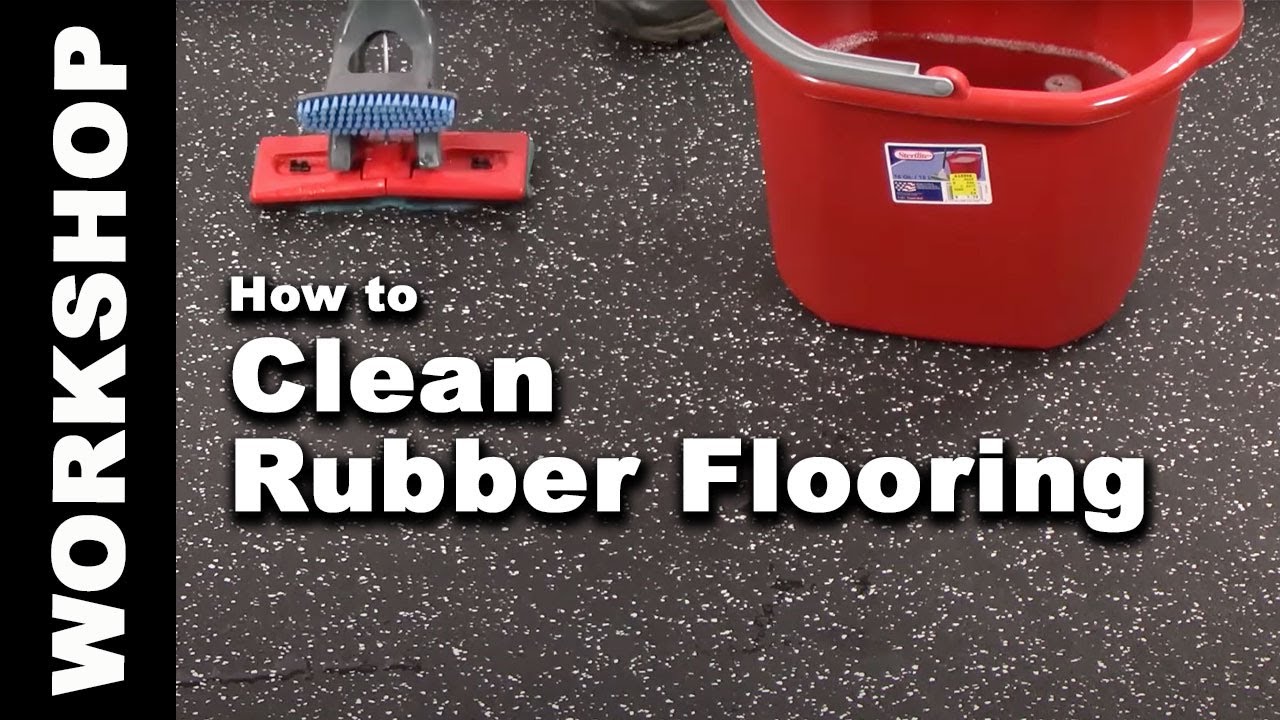
Image Source: i.ytimg.com
Why Regular Gym Mat Cleaning Matters
Your gym mats are a critical part of your workout space. They protect your subfloor, provide cushioning, and enhance traction. However, they also bear the brunt of sweat, dirt, and germs. Failing to clean them properly can lead to a breeding ground for bacteria, unpleasant odors, and a slippery surface, increasing the risk of accidents. Regular rubber mat maintenance ensures a hygienic and safe environment for everyone.
Benefits of Clean Gym Mats:
- Hygiene: Prevents the spread of germs and bacteria.
- Safety: Reduces the risk of slips and falls due to accumulated sweat or debris.
- Odor Control: Eliminates the musty smell often associated with sweat and moisture.
- Longevity: Protects the rubber material from premature degradation, extending the life of your mats.
- Appearance: Keeps your gym looking professional and well-maintained.
The Best Way to Clean Gym Mats: A Step-by-Step Guide
Cleaning exercise mats doesn’t have to be complicated. The best approach involves a few key steps, tailored to the level of cleaning needed.
H4: Daily or Post-Workout Cleaning
This is your first line of defense against dirt and sweat. It’s quick, easy, and makes a big difference.
H5: Materials You’ll Need:
- Microfiber cloths or soft sponges
- Spray bottle
- Warm water
- Mild, pH-neutral soap (like dish soap or a dedicated gym cleaner)
H5: Cleaning Process:
- Wipe Down: After each workout, use a clean, damp microfiber cloth to wipe down the surface of the mats. This will remove surface sweat and light dirt.
- Prepare Cleaning Solution: In your spray bottle, mix a few drops of mild soap with warm water. You don’t need a lot of soap; too much can leave a residue.
- Spray and Wipe: Lightly mist a section of the mat with your cleaning solution.
- Scrub Gently: Use your microfiber cloth or soft sponge to gently scrub the surface. Pay attention to areas where sweat might have pooled.
- Rinse (Optional but Recommended): Dampen a clean cloth with plain water and wipe down the mat to remove any soap residue.
- Dry Thoroughly: Use a dry microfiber cloth to wipe the mat completely dry. Leaving mats damp can encourage mold and mildew growth.
H4: Weekly Cleaning (Deeper Clean)
Once a week, or more often if you have a high-traffic gym, you’ll want to perform a more thorough cleaning.
H5: Materials You’ll Need:
- All materials from daily cleaning
- A mop (flat mop is ideal for rubber mats)
- A bucket
H5: Cleaning Process:
- Sweep or Vacuum: Start by sweeping or vacuuming the mats to remove loose debris, dust, and small particles. A broom with soft bristles is good. If using a vacuum, ensure it has a hard floor attachment and avoid using the beater bar, which can damage the mats.
- Prepare Cleaning Solution: Fill a bucket with warm water and add a small amount of mild, pH-neutral soap. Alternatively, use a specially formulated gym floor cleaner that is safe for rubber.
- Mop the Mats: Dip your mop into the solution, wring it out so it’s damp, not soaking wet. Mop the surface of the rubber mats in sections. For very dirty areas, you might need to apply a little more pressure or go over them a second time.
- Address Stubborn Stains: For tougher spots, you can create a slightly more concentrated soap solution to scrub directly onto the stain with a sponge or soft brush.
- Rinse Thoroughly: This is a crucial step. Fill a clean bucket with plain water. Rinse the mop thoroughly and then mop the mats again with clean water to remove all soap residue. You may need to change the rinse water a few times to ensure all soap is gone.
- Dry Completely: This is the most important part of rubber mat care tips. Use dry microfiber cloths to wipe the mats dry. You can also use a fan or open windows to speed up the drying process. Never leave mats wet.
H4: Deep Cleaning (Monthly or As Needed)
Deep cleaning is necessary for disinfecting gym mats and tackling ingrained dirt and potential odors.
H5: Materials You’ll Need:
- All materials from weekly cleaning
- A mild disinfectant (see below for options)
- A soft-bristle brush (optional, for scrubbing)
H5: Cleaning Process:
- Initial Clean: Start with the weekly cleaning steps: sweep/vacuum, then mop with soap and water to remove surface grime. This ensures the disinfectant can work effectively on clean surfaces.
- Apply Disinfectant:
- Option 1: Vinegar Solution: A natural and effective disinfectant is a 1:1 solution of white vinegar and water. Vinegar is acidic and can help kill bacteria and neutralize odors.
- Option 2: Hydrogen Peroxide: A 3% hydrogen peroxide solution can also be used. It’s a good disinfectant and breaks down into water and oxygen.
- Option 3: Commercial Gym Disinfectants: Look for products specifically designed for gym flooring and rubber. Always follow the manufacturer’s instructions.
- Application Method:
- You can spray the disinfectant solution directly onto the mats or apply it with a clean mop or cloth.
- Ensure even coverage.
- Allow the disinfectant to sit on the surface for the time recommended by the product label (or at least 10 minutes for vinegar or peroxide solutions) to allow it to kill germs. This is key for sanitizing workout surfaces.
- Rinse (Important for Disinfectants): After the dwell time, it’s essential to rinse the mats thoroughly with clean water to remove any disinfectant residue. This is especially important if you’ve used a chemical disinfectant, as residue can be harmful or irritating.
- Dry Thoroughly: Again, use dry cloths to absorb as much moisture as possible. Ensure the mats are completely dry before allowing use.
Removing Specific Stains and Odors
Sometimes, you’ll encounter specific issues that require targeted solutions.
H4: Removing Sweat and Odors
Removing sweat from rubber mats is a common concern. Sweat can not only smell bad but also contribute to degradation of the material over time.
- Vinegar Solution: As mentioned in deep cleaning, vinegar is excellent for neutralizing odors and killing odor-causing bacteria. A regular wipe-down with a vinegar and water solution can prevent odor buildup.
- Baking Soda Paste: For persistent odors, you can make a paste of baking soda and water. Apply it to the affected area, let it sit for 15-30 minutes, then wipe away and rinse thoroughly. Baking soda is a natural deodorizer.
- Commercial Odor Removers: Some gym-specific cleaners are designed to tackle odors directly. Ensure they are safe for rubber.
H4: Removing Stubborn Dirt or Scuff Marks
- Soft-Bristle Brush: For dried-on dirt or scuff marks, a soft-bristle brush can be used with your cleaning solution. Gently scrub the area.
- Magic Eraser (Use with Caution): A melamine foam sponge (like a Magic Eraser) can be effective for scuff marks, but use it very gently and only on stubborn spots. Over-scrubbing can potentially damage the mat’s surface. Always test in an inconspicuous area first.
- Rubbing Alcohol (Isopropyl Alcohol): For tough marks like shoe scuffs, a small amount of rubbing alcohol on a cloth can work. Ensure you rinse the area well afterward.
What Not to Do When Cleaning Gym Rubber Mats
Certain cleaning methods and products can damage your rubber mats or leave behind harmful residues.
H4: Avoid Harsh Chemicals
- Bleach: While a strong disinfectant, bleach can degrade rubber over time, making it brittle and prone to cracking. It can also discolor the mats.
- Ammonia: Similar to bleach, ammonia is too harsh for rubber and can cause damage.
- Solvent-Based Cleaners: Many industrial solvents can break down the rubber compound.
H4: Avoid Abrasive Scrubbers
- Steel Wool or Stiff Brushes: These will scratch and damage the surface of your mats, reducing their grip and lifespan.
H4: Avoid Excessive Water
- Soaking the Mats: Do not flood your mats with water. Excess moisture can seep into the subfloor and lead to mold or mildew issues, especially if the mats are not fully permeable. It also prolongs drying time.
H4: Avoid Leaving Mats Wet
- As mentioned, always ensure mats are completely dry after cleaning to prevent bacterial growth and damage.
Specific Considerations for Different Types of Gym Flooring
While this guide focuses on rubber mats, it’s worth noting that different types of gym flooring might have slightly different cleaning needs. However, the principles of using mild cleaners, avoiding harsh chemicals, and thorough drying remain consistent.
Tools for Effective Gym Flooring Cleaning
Having the right tools makes the job easier and more effective.
H4: Essential Tools:
- Microfiber Cloths: Excellent for wiping, scrubbing, and drying due to their absorbency and non-abrasive nature.
- Soft Sponges: Good for gentle scrubbing of soiled areas.
- Spray Bottles: For applying cleaning solutions evenly.
- Buckets: For mixing cleaning solutions and for rinsing.
- Flat Mop: Ideal for covering large areas efficiently and applying an even dampness. Avoid string mops that can leave too much water.
- Soft-Bristle Broom or Vacuum with Floor Attachment: For initial debris removal.
H4: Optional Tools:
- Soft-Bristle Scrub Brush: For tougher stains on smaller areas.
- Floor Fan: To speed up the drying process.
Maintaining Your Gym Rubber Mats Between Cleanings
Regular rubber mat maintenance goes beyond just cleaning.
H4: Proper Ventilation
Ensure your gym space has good ventilation. Open windows or use fans to circulate air, which helps reduce moisture and odor buildup.
H4: Remove Spills Immediately
Don’t let spills sit. Wipe them up as soon as they happen to prevent staining or absorption into the rubber.
H4: Regular Inspection
Periodically check your mats for any signs of wear, tears, or damage. Address any issues promptly.
FAQs About Cleaning Gym Rubber Mats
Here are answers to some common questions about cleaning exercise mats.
H4: What is the best way to clean gym mats?
The best way to clean gym mats is with a mild, pH-neutral soap and warm water, using a damp cloth or mop. Always rinse thoroughly and dry completely. For disinfecting, a diluted vinegar solution or a dedicated gym disinfectant is recommended.
H4: Can I use bleach to clean gym rubber mats?
No, you should avoid using bleach. Bleach can degrade and damage rubber over time, leading to brittleness and cracking.
H4: How often should I clean my gym rubber mats?
You should perform a quick wipe-down after every use. A deeper clean with a mop and solution should be done at least weekly, and deep cleaning/disinfecting monthly or as needed.
H4: Can I use a pressure washer on gym rubber mats?
It is generally not recommended to use a pressure washer on gym rubber mats. The high pressure can damage the surface of the rubber and potentially force water into seams or under the mats.
H4: My gym mats smell. What can I do?
If your gym mats smell, try cleaning them with a vinegar and water solution (1:1 ratio) or use baking soda paste on affected areas. Ensure good ventilation and thorough drying after cleaning.
H4: What disinfectant is safe for rubber mats?
Diluted white vinegar (1:1 with water) or a 3% hydrogen peroxide solution are generally safe and effective. Always check the label of commercial disinfectants to ensure they are safe for rubber flooring.
H4: How do I remove sweat from rubber mats?
Regularly wipe down mats with a damp cloth after workouts. For a deeper clean, use a mild soap and water solution or a vinegar and water mixture to remove sweat and prevent odors.
H4: Can I use alcohol to clean gym mats?
Isopropyl alcohol can be used sparingly on a cloth for spot cleaning stubborn marks, like scuff marks. However, it’s best to rinse the area with water afterward, as excessive alcohol use might affect the rubber over time.
By following these rubber mat care tips and regularly cleaning your gym mats, you’ll ensure a safer, more hygienic, and more enjoyable workout environment for everyone. Consistent rubber mat maintenance is key to protecting your investment and keeping your gym in top condition. Proper gym flooring cleaning is not just about appearance; it’s about health and safety.