
Muscle tremors during exercise are quite common. Do your muscles shake when exercising? This involuntary muscle contraction, often called fasciculations during workouts, can happen for various reasons. Exercise-induced twitching is usually a normal response to physical exertion, but understanding the underlying causes can help you manage and prevent it.
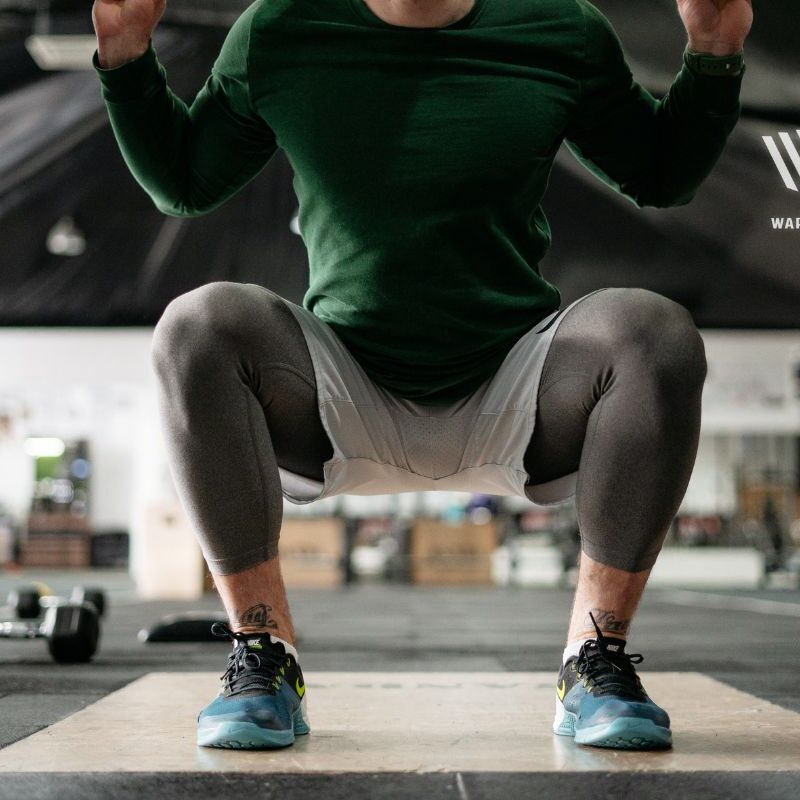
Image Source: blog.warmbody-coldmind.com
Deciphering Muscle Shaking During Physical Activity
Experiencing a tremor or shakiness in your muscles while exercising is a familiar sensation for many. It’s that feeling of your quads trembling during squats, your biceps quivering during curls, or your calves feeling like jelly after a run. While it might feel alarming, it’s often a sign that your muscles are working hard and pushing their limits. This article aims to explore the various factors contributing to muscle shaking during exercise, from the physiological responses to potential underlying issues, and offer practical solutions to help you manage it effectively.
The Science Behind Trembling Muscles
When you engage in physical activity, your body undergoes a complex series of physiological changes to fuel your muscles and respond to the demands placed upon them. Muscle shaking, or tremors, during exercise is largely a consequence of these adaptive processes.
How Muscles Work and Why They Might Shake
Muscles are made up of fibers that contract and relax in a coordinated manner. This coordination is controlled by nerve signals from your brain. During exercise, these signals become more frequent and intense to produce the force needed for movement.
- Motor Unit Recruitment: To generate more force, your brain activates more motor units. A motor unit consists of a single nerve cell and all the muscle fibers it controls. As you lift heavier weights or push harder, your brain recruits more and more motor units. This increased recruitment can lead to a more pronounced and sometimes shaky contraction as these units work in rapid succession.
- Neural Firing Rate: Not only does your brain recruit more motor units, but it also increases the speed at which they fire. A higher firing rate allows for stronger and faster muscle contractions. However, if this rate becomes too high or irregular, it can manifest as a tremor.
Muscle Fatigue and Shaking: A Direct Link
One of the most common reasons for muscle shaking during exercise is muscle fatigue and shaking. As you continue an exercise, your muscles deplete their energy stores and accumulate metabolic byproducts.
- Energy Depletion: Muscles primarily use adenosine triphosphate (ATP) for energy. During intense or prolonged exercise, ATP levels can drop, and the muscle’s ability to resynthesize ATP quickly can be outpaced by demand. This energy deficit makes it harder for muscle fibers to contract efficiently, leading to a less smooth, more jerky movement – the shaking.
- Metabolic Byproducts: Lactic acid and other metabolic byproducts build up in the muscle tissue during exercise. While lactic acid itself isn’t the sole culprit, the changes in the muscle environment it signifies (like reduced pH) can interfere with the muscle’s ability to contract effectively.
- Neuromuscular Fatigue: Fatigue isn’t just in the muscles; it’s also in the nervous system. The nerves that signal muscle contractions can become less efficient, leading to irregular or weaker signals, which can contribute to shaking.
Common Causes of Muscle Tremors During Exercise
Several factors can contribute to your muscles shaking during a workout, ranging from simple physiological responses to more subtle imbalances.
Dehydration and Electrolyte Imbalance
Proper hydration and muscle tremors are closely linked. Dehydration can significantly impact muscle function and nerve signaling.
- Fluid Balance: Water is essential for all bodily functions, including muscle contraction and nerve impulse transmission. When you’re dehydrated, the concentration of electrolytes in your blood and muscles can become imbalanced.
- Electrolyte Imbalance and Muscle Tremors: Electrolytes like sodium, potassium, calcium, and magnesium play crucial roles in muscle contraction and nerve function.
- Potassium: Essential for repolarizing muscle cell membranes after a contraction. Low potassium can lead to muscle weakness and cramps.
- Magnesium: Involved in muscle relaxation and ATP production. Low magnesium can cause increased muscle excitability and tremors.
- Calcium: Critical for the sliding filament mechanism that causes muscle contraction. Imbalances can affect the strength and coordination of contractions.
If you’re not adequately rehydrating during and after exercise, especially in hot weather or during intense sessions, you’re more prone to electrolyte imbalances that can manifest as muscle shaking.
Insufficient Warm-up or Cool-down
The preparation and recovery phases of your workout are just as important as the main event.
- Inadequate Warm-up: A proper warm-up increases blood flow to your muscles, raising their temperature and making them more pliable and ready for exertion. Skipping this can mean your muscles are still relatively stiff, leading to more pronounced shaking when they are suddenly put to work.
- Abrupt Cool-down: Similarly, an abrupt stop to intense exercise without a cool-down can leave your muscles in a state of heightened neural activation, potentially leading to lingering tremors.
Nervous System Overstimulation
Your nervous system is the command center for muscle activity. Sometimes, it can get a little too excited.
- High-Intensity Training: Pushing your body to its absolute limits with very high-intensity intervals or heavy lifting can overstimulate the nervous system. This surge in neural activity can result in involuntary muscle contractions that appear as shaking.
- Anxiety or Stress: Even if not directly related to the physical exertion, feelings of anxiety or stress can increase your body’s overall muscle tension and nerve sensitivity, making you more prone to tremors during exercise.
Caffeine Intake
For many, caffeine is a pre-workout staple. While it can boost performance, it also has stimulant effects.
- Caffeine and Muscle Twitching: Caffeine acts as a central nervous system stimulant. It increases alertness and can also enhance the firing rate of motor neurons. This heightened neural activity, combined with potential effects on calcium release within muscle cells, can lead to caffeine and muscle twitching, often manifesting as shaking, especially if consumed in large amounts or by individuals sensitive to its effects.
Overtraining Syndrome Muscle Shaking
Pushing your body too hard for too long without adequate rest can lead to overtraining syndrome muscle shaking. This condition affects both your physical and psychological well-being.
- Inadequate Recovery: When you consistently exercise without giving your muscles enough time to repair and rebuild, you enter a state of chronic fatigue. This lack of recovery compromises muscle function and nerve signaling, making tremors a common symptom.
- Hormonal Imbalances: Overtraining can disrupt hormone levels, including those that regulate muscle growth and recovery, further contributing to persistent fatigue and shakiness.
Other Potential Contributors
While less common, other factors can also contribute to muscle shaking during exercise.
- Low Blood Sugar (Hypoglycemia): If you exercise without having eaten enough, your blood sugar levels can drop. Muscles and the brain rely on glucose for energy. Low blood sugar can lead to shakiness, dizziness, and weakness.
- Temperature Extremes: Exercising in very cold temperatures can cause shivering, which is an involuntary muscle contraction to generate heat. Conversely, extreme heat and dehydration can also lead to tremors.
- Certain Medications: Some medications, such as those for asthma (beta-agonists) or stimulants for ADHD, can have side effects that include muscle tremors.
- Underlying Medical Conditions: While rare in the context of exercise-induced shaking, conditions like essential tremor, Parkinson’s disease, or neurological disorders can cause tremors that may be exacerbated by physical activity.
Identifying the Culprit: Self-Assessment and Professional Advice
Pinpointing the exact reason for your muscle shaking often involves a process of elimination and self-observation, potentially with guidance from a healthcare professional.
When to Worry: Red Flags to Watch For
While occasional muscle shaking during exercise is usually harmless, there are instances when it might signal a more serious issue.
- Persistent Shaking: If the shaking doesn’t subside soon after you stop exercising or occurs even at rest.
- Shaking Accompanied by Pain: If the tremors are associated with significant muscle pain or discomfort.
- Sudden Onset and Severity: If the shaking starts suddenly and is very pronounced, especially if you haven’t experienced it before.
- Other Neurological Symptoms: If you notice other symptoms like numbness, tingling, weakness, dizziness, or loss of coordination.
- Shaking Beyond Expected Fatigue: If you’re an experienced exerciser and notice this happening with workouts that you typically handle without issue.
Consulting a Healthcare Professional
If you have concerns about your muscle shaking, it’s always best to consult with a doctor or a qualified healthcare provider. They can:
- Review Your Medical History: Ask about your exercise habits, diet, and any existing medical conditions.
- Perform a Physical Examination: Assess your muscle strength, reflexes, and coordination.
- Order Tests: If necessary, they might recommend blood tests to check electrolyte levels, blood sugar, or thyroid function, or refer you for neurological assessments.
Strategies for Managing and Preventing Muscle Tremors
Fortunately, most causes of exercise-induced muscle shaking can be managed with appropriate strategies.
Optimizing Hydration and Nutrition
Proper fueling is fundamental for preventing many types of muscle tremors.
- Hydration Plan:
- Before Exercise: Drink plenty of water throughout the day leading up to your workout.
- During Exercise: Sip water or an electrolyte-containing beverage every 15-20 minutes, especially during longer or more intense sessions.
- After Exercise: Continue to rehydrate to replace fluids lost through sweat.
- Balanced Diet: Ensure your diet includes adequate amounts of:
- Potassium: Found in bananas, sweet potatoes, spinach, and beans.
- Magnesium: Present in leafy greens, nuts, seeds, and whole grains.
- Sodium and Calcium: Crucial for nerve and muscle function; found in dairy products, leafy greens, and fortified foods.
- Electrolyte Replacement: For prolonged or very intense exercise, consider sports drinks that replenish electrolytes lost in sweat.
Proper Warm-up and Cool-down Techniques
Don’t skip these vital preparation and recovery phases.
- Warm-up (5-10 minutes):
- Start with light cardio (e.g., jogging in place, jumping jacks) to increase heart rate and blood flow.
- Follow with dynamic stretching (e.g., arm circles, leg swings, torso twists) to prepare your muscles for movement.
- Cool-down (5-10 minutes):
- Gradually decrease your intensity (e.g., light walking).
- Finish with static stretching (holding stretches for 20-30 seconds) to improve flexibility and aid recovery.
Managing Exercise Intensity and Overtraining
Listen to your body and allow for adequate recovery.
- Gradual Progression: Increase the intensity, duration, or frequency of your workouts gradually. Avoid sudden jumps that can overwhelm your muscles and nervous system.
- Listen to Your Body: If you feel excessive fatigue or shaking, it might be a sign to reduce the intensity or take an extra rest day.
- Structured Training Programs: Follow well-designed training plans that incorporate rest and recovery days.
- Overtraining Syndrome Muscle Shaking Prevention: This involves ensuring you have sufficient sleep, adequate nutrition, and periods of active recovery or complete rest.
Caffeine Consumption Guidelines
Be mindful of your caffeine intake.
- Moderation is Key: If you consume caffeine, do so in moderation. The generally recommended limit for healthy adults is up to 400 milligrams per day.
- Timing: Avoid consuming large amounts of caffeine immediately before an intense workout if you are sensitive to its effects.
- Hydration: If you drink coffee or caffeinated teas, remember that caffeine can have a mild diuretic effect, so ensure you compensate with adequate water intake.
Relaxation and Stress Management
While not always directly related to physical exertion, stress can amplify tremors.
- Mindfulness and Meditation: Incorporate relaxation techniques into your routine.
- Adequate Sleep: Aim for 7-9 hours of quality sleep per night to allow your body and nervous system to recover.
Adjusting Exercise Techniques
Sometimes, how you perform an exercise can contribute to shaking.
- Proper Form: Ensure you are using correct form for all exercises. Poor form can place excessive stress on certain muscle groups, leading to premature fatigue and shaking.
- Controlled Movements: Focus on slow, controlled movements rather than fast, jerky ones, especially when starting a new exercise or when lifting heavier weights.
Frequently Asked Questions (FAQ)
Q1: Is muscle shaking during exercise always a bad sign?
No, muscle shaking during exercise is often a normal physiological response to fatigue, increased neural drive, or energy depletion. It’s usually not a sign of a serious problem unless accompanied by pain, persists after exercise, or is associated with other concerning symptoms.
Q2: Can I prevent muscle tremors completely?
While you might not be able to prevent them entirely, especially during very challenging workouts, you can significantly reduce their frequency and intensity by staying hydrated, eating well, warming up properly, managing exercise intensity, and ensuring adequate recovery.
Q3: Are fasciculations during workouts different from normal shaking?
Fasciculations are small, involuntary muscle twitches that you might see or feel under the skin. While both are forms of involuntary muscle activity, general muscle shaking during exercise is more about the overall tremor of a larger muscle group due to fatigue or neural overactivity, whereas fasciculations are often more localized and can occur with or without strenuous activity.
Q4: Should I stop exercising if my muscles start shaking?
If the shaking is mild and related to fatigue, you can often continue with modified intensity or switch to a different exercise. However, if the shaking is severe, painful, or accompanied by other symptoms, it’s best to stop and rest.
Q5: How can I tell if my muscle shaking is due to an electrolyte imbalance?
Symptoms of electrolyte imbalance can include muscle cramps, weakness, fatigue, and, of course, tremors. If you suspect this might be the case, pay attention to your hydration and diet, and consult a doctor if symptoms are persistent or severe. They can perform blood tests to confirm any imbalances.
Q6: How much caffeine is too much before a workout?
This varies greatly from person to person. For most adults, up to 400 mg per day is considered safe. If you’re sensitive, even 100-200 mg might cause jitters or muscle twitching. It’s best to start with small amounts and see how your body reacts, especially before a demanding workout.
Conclusion: Empowering Your Fitness Journey
Muscle shaking during exercise is a multifaceted phenomenon, often rooted in the intense demands we place on our bodies. From the fundamental processes of muscle contraction and energy metabolism to the influence of hydration, nutrition, and neural activity, various factors contribute to this common experience. By arming yourself with knowledge about these causes and implementing practical, evidence-based solutions – such as optimizing your hydration and nutrition, prioritizing warm-ups and cool-downs, and listening to your body’s signals – you can effectively manage and minimize muscle tremors. Remember, consistent effort, proper preparation, and attentive recovery are key to a sustainable and successful fitness journey, ensuring that your muscles are strong, resilient, and ready to perform. If you have persistent concerns, always seek the guidance of a healthcare professional to rule out any underlying issues and tailor advice to your specific needs.