
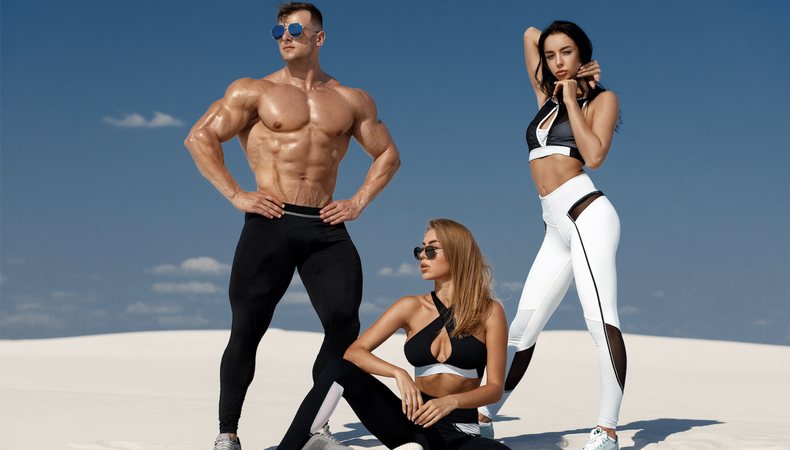
Image Source: d26oc3sg82pgk3.cloudfront.net
Master The Steps: How To Be A Fitness Model Explained
So, you want to know how to become a fitness model? It is a path that asks for hard work and dedication. Being a fitness model means showing a healthy, fit body for ads, magazines, or brands. It is more than just looking good. It is about living a healthy life and showing that lifestyle.
Grasping What Fitness Modeling Is
Fitness modeling is a way to show off a healthy body shape. Companies need models to sell their products. These products can be gym clothes, sports drinks, workout gear, or health foods. Fitness models also appear in magazines, books, and online content about health and fitness.
There are different kinds of fitness modeling work:
- Commercial Modeling: This is for advertisements. Think of billboards or online ads. They want models who look like everyday people who care about fitness.
- Editorial Modeling: This is for magazines or online articles. It often shows models doing exercises or posing in a gym setting. This type focuses more on the story or the look of the photo.
- Lifestyle Modeling: This combines fitness with daily life. Models might be shown being active outside or using a fitness product at home.
- Parts Modeling: Sometimes, only a part of your body is needed. Strong arms for a watch ad, or toned legs for running shoes.
No matter the type, you need to look healthy and fit. You also need to be professional and easy to work with.
Decoding Fitness Model Requirements
What do you need to have or do to be a fitness model? It is not just one thing. Several things are important. These are the main fitness model requirements.
- The Right Look: This is key. You need a fitness model physique. This means being lean and toned. Muscles should be visible but not overly bulky, usually. The look needed can change based on the job. Some jobs want a very defined look. Others might want a more soft, healthy look. Symmetry helps too. Your body should look balanced.
- Good Health: You must be truly healthy. This shows in your skin, hair, and eyes. Agencies and clients want models who look full of life and energy.
- Being Professional: This job means showing up on time. It means listening to directions. It means being easy to work with on set. A good attitude goes a long way.
- Stamina: Photo shoots can be long. You might have to hold poses for a while. You need physical and mental stamina.
- Photogenic: You need to look good in photos. This includes knowing your best angles. It also means taking direction well from a photographer.
It is not just about being in shape. It is about the whole package. Your health, your look, and your work ethic all matter.
Interpreting the Ideal Fitness Model Physique
What does the “right look” mean for a fitness model’s body?
- Lean Muscle: Muscle should be visible. You should look strong and toned.
- Low Body Fat: Having low body fat helps muscles show through. The exact level needed changes. Men might aim for 6-12%. Women might aim for 15-20%. This can vary greatly by the type of modeling.
- Symmetry and Balance: Your body should look even. Shoulders, waist, hips, and legs should look in proportion.
- Good Posture: Standing tall and having good posture makes you look confident and fit.
- Clear Skin and Healthy Hair: These are signs of good health from the inside out.
Remember, “ideal” changes based on the brand or job. Some brands want a very athletic look. Others want a softer, healthy glow. Know what kind of look you have and what types of jobs fit you best.
Mastering the Fitness Model Lifestyle: Diet and Workout
Your body is your tool as a fitness model. Keeping it in top shape is a full-time job. This involves your fitness model diet and your fitness model workout. These two things work together. You cannot have one without the other.
Dieting Like a Fitness Model
Eating right is crucial. It fuels your workouts. It helps your muscles recover. It helps keep your body fat low.
- Eat Clean Foods: Focus on whole foods. Eat lean protein like chicken, fish, and beans. Eat complex carbs like oats, brown rice, and sweet potatoes. Eat lots of fruits and vegetables. Eat healthy fats like avocados and nuts.
- Know Your Macros: Macros are protein, carbs, and fats. Knowing how much of each you eat helps you control your body composition. More protein helps muscles grow. Carbs give you energy. Fats are important for health.
- Stay Hydrated: Drink lots of water. Water helps your body work right. It also helps your skin look good.
- Time Your Meals: Eating at the right times helps keep energy levels steady. It also helps with muscle recovery. Eating protein and carbs after a workout is common.
- Limit Processed Foods: Try to eat very little sugar, bad fats, and processed snacks. These foods do not help your body look its best.
- Plan Ahead: Preparing your meals helps you stick to your diet. It stops you from making bad food choices when you are hungry.
This is a general guide. A nutritionist can help you find the perfect diet for your body and goals.
Working Out Like a Fitness Model
Your fitness model workout should build muscle, burn fat, and keep you healthy.
- Strength Training: Lift weights to build muscle. Work all your major muscle groups. You can split your workouts by body part or do full-body routines. Aim for 3-5 strength workouts a week.
- Cardio: Cardio helps burn fat and improves heart health. Do things like running, cycling, swimming, or high-intensity interval training (HIIT). How much cardio you need depends on your body and goals. Some models do cardio daily.
- Flexibility and Mobility: Stretching and foam rolling are important. They help prevent injuries. They help your muscles work better.
- Rest and Recovery: Muscles grow when you rest. Get enough sleep. Allow your body time to recover between tough workouts. Overtraining can lead to injury or burnout.
- Listen to Your Body: Some days you might need to take it easier. Do not push through pain.
- Be Consistent: Working out only sometimes will not give you results. You need to stick to your plan most days.
Again, these are general ideas. A good personal trainer can create a workout plan just for you.
Starting Your Journey: Getting Ready to Be Seen
Once you feel you have the right look and lifestyle, how do you begin starting fitness modeling?
- Assess Yourself: Look in the mirror honestly. Take some pictures. Do you have the physique? Are you ready to commit to the diet and workout 24/7?
- Get Feedback: Ask people who know about the industry for their opinion. A fitness coach, a photographer, or someone in the modeling world can give you honest advice.
- Clean Up Your Social Media: Brands look at your online presence. Make sure your social media shows a positive, healthy image. We will talk more about this later.
- Practice Posing: Looking good in photos is a skill. Practice in front of a mirror. Learn how to flex muscles. Learn how to stand and sit to show your best angles.
- Understand the Industry: Learn about different types of fitness modeling. Look at fitness magazines and brand websites. See what kinds of models they use. Who are the top fitness modeling agencies?
Starting means doing your homework. It means preparing yourself mentally and physically.
Building Your Visual Story: Fitness Photography and Portfolio
You need good pictures to show people what you look like. This is where fitness photography comes in. You need professional photos to create a fitness model portfolio.
The Importance of Good Fitness Photography
Amateur photos will not work for getting jobs. You need high-quality images that show your physique, energy, and ability to pose.
- Shows Your Best: A good photographer knows how to light you. They know how to pose you. They can make your physique look its best.
- Professional Look: Agencies and clients expect professional photos. It shows you are serious about this job.
- Variety: A photo shoot should give you different looks. Gym shots, outdoor shots, shots showing different movements. This shows your range.
Finding the right photographer is key. Look for photographers who have shot fitness models before. Look at their past work. Do you like their style? Talk to them about your goals.
Creating Your Fitness Model Portfolio
Your portfolio is your main tool for getting work. It is a collection of your best photos.
- Include Your Best Shots: Only put your top pictures in your portfolio. Quality is more important than quantity.
- Show Variety: Include different poses, lighting, and settings. Show both full-body shots and close-ups. Show movement shots and static poses. Show yourself in different fitness wear.
- Have a Headshot: Include a clear photo of your face. Clients need to see your look beyond your body.
- Keep it Updated: As your physique changes or you get new good photos, update your portfolio.
- Digital and Print: Have a digital version (like a PDF or online gallery) ready to email. Some agencies might still want a physical book, but digital is more common now.
- Stats Included: Your portfolio should include your key measurements: height, weight, chest, waist, hips, maybe clothing sizes.
Your portfolio is your visual resume. Make it strong and professional.
Finding Your Path: Fitness Modeling Agencies and Social Media
Once you have your photos ready, how do you find work? There are two main routes: through fitness modeling agencies or by using your fitness model social media.
Working with Fitness Modeling Agencies
Agencies act as a bridge between models and clients. They find jobs for models. They handle the contracts and payment.
- How Agencies Help:
- They have connections with brands and clients.
- They know the market rates for jobs.
- They handle paperwork and negotiations.
- They guide you in your career.
- Finding Agencies: Look for agencies that have a fitness division. Research agencies in major cities where fitness work happens (like Los Angeles, Miami, New York).
- Applying to Agencies: Most agencies have a section on their website for new models to apply. You will usually need to send them some photos and your measurements.
- Be Careful: Not all agencies are real or good. Research an agency before signing anything. Do not pay an agency just to sign with them. Real agencies make money when you get work.
Getting signed by a good agency can open many doors. They can help you get bigger and better jobs.
Leveraging Fitness Model Social Media
Social media is huge in fitness modeling today. Many models find work directly through platforms like Instagram.
- Build Your Brand: Show your fitness lifestyle. Post pictures and videos of your workouts, healthy meals, and daily life. Show your personality.
- Grow Your Followers: The more people who follow you, the more reach you have. This makes you attractive to brands. Post good content regularly. Engage with your followers. Use relevant hashtags.
- Connect with Brands: Tag brands you use in your posts. They might notice you. Some brands reach out directly to models they find on social media.
- Show Your Work: Post your professional photos. This shows brands you are a serious model.
- Be Professional Online: Even if you are building your personal brand, keep it professional. Avoid controversial topics. Your online image is part of your overall package.
Social media can help you get noticed. It can lead to paid collaborations with brands. It can even help you get signed by an agency. For many, it is now a key part of starting fitness modeling.
The Realities of Being a Fitness Model
It is important to have realistic ideas about fitness modeling. It is not always glamorous.
- It Takes Time: Success does not happen overnight. It takes time to build your physique, portfolio, and connections.
- Lots of Rejection: You will apply for many jobs you do not get. This is normal in modeling. You need thick skin.
- Income Can Vary: Some jobs pay well. Some pay less. Work might not be steady, especially when you are starting. You might need another job.
- Stay in Shape Always: You have to maintain your physique year-round. You never know when a job might come up.
- Travel: You might need to travel for shoots.
- Professionalism is Key: Being easy to work with is as important as looking good. Clients want models who are reliable and friendly.
- It is a Business: You are your own brand. You need to think about marketing yourself.
Knowing these things helps you prepare for the journey.
Maintaining Your Success: Staying Relevant
Once you get going, how do you keep working as a fitness model?
- Stay Consistent: Keep up with your diet and workout plan. Your physique is your living.
- Update Your Portfolio: Get new photos regularly, especially if your look changes.
- Keep Networking: Stay in touch with photographers, agencies, and clients.
- Grow Your Social Media: Keep building your online presence. It is a constant tool for work.
- Adapt to Trends: The look that brands want can change. Stay aware of what is popular.
- Learn and Improve: Get better at posing. Learn new skills.
Staying successful means treating fitness modeling like a serious job.
Fathoming the Cost
Becoming and being a fitness model costs money.
- Gym Membership: Needed for workouts.
- Healthy Food: Eating clean can cost more.
- Supplements: Many fitness models use supplements, which cost money.
- Professional Photos: Photo shoots are expensive.
- Travel Costs: Going to castings or shoots costs money.
- Clothing/Gear: You need workout clothes for shoots.
- Agency Fees: Agencies take a cut of your earnings.
Factor these costs in when you think about this career.
Frequently Asked Questions (FAQ)
How old do I need to be to start fitness modeling?
There is no strict age rule. Many models start in their late teens or early twenties. But older models (30s, 40s, even older) are also needed, especially for lifestyle or specific brand ads. What matters most is having the right look and health.
Do I need to compete in fitness shows to be a fitness model?
No, you do not have to. Fitness competitors often have a more extreme look (very low body fat) than what is needed for most modeling jobs. Competing can help you build discipline and get photos, but it is not required for modeling.
How much money do fitness models make?
Pay varies a lot. It depends on the job, the client, your experience, and your agency. Some jobs might pay a few hundred dollars for a small shoot. Bigger campaigns can pay thousands. Some models do it part-time. A few make it a full-time career. Do not expect to get rich quickly.
How do I find legitimate fitness modeling agencies?
Research is key. Look for agencies with a history. Check their website. See what clients they work with. See if they have worked with models you know are real. Ask other models if you can. Avoid agencies that ask for money upfront just to sign you.
Can I be a fitness model if I have tattoos?
Yes, many fitness models have tattoos. It depends on the client and the job. Some brands like tattoos. Some do not. Be prepared that some jobs might not hire you because of your tattoos. Some jobs might ask you to cover them.
How long does it take to get the “right” physique?
It takes time and hard work. For someone starting from average fitness, it could take many months or even a year or more to build the muscle and reduce body fat needed. It is a long-term process.
Do I need a specific height or size?
Fitness modeling is less strict on height than fashion modeling. Being taller can help, especially for certain types of shoots, but models of various heights find work. What is most important is your body shape and proportions for the fitness look, not a fashion size.
Your Fitness Modeling Journey
Becoming a fitness model is a journey. It takes discipline with your fitness model diet and fitness model workout. It needs a great fitness model portfolio from good fitness photography. You need to work hard at starting fitness modeling, whether through fitness modeling agencies or building your fitness model social media. Understand the fitness model requirements and what makes a good fitness model physique.
It is a challenging path. But if you are passionate about fitness and love being in front of the camera, it can be a rewarding one. Keep learning, keep working hard, and keep building your best self.