
Keeping your rubber gym floor clean is key. It helps the floor last longer. It also keeps the space fresh and safe for everyone. A good cleaning plan involves simple steps you can do often. You will need tools like brooms, mops, buckets, and cleaners made for rubber. Knowing how to clean rubber gym flooring makes the job easy. You just need the right steps and products.
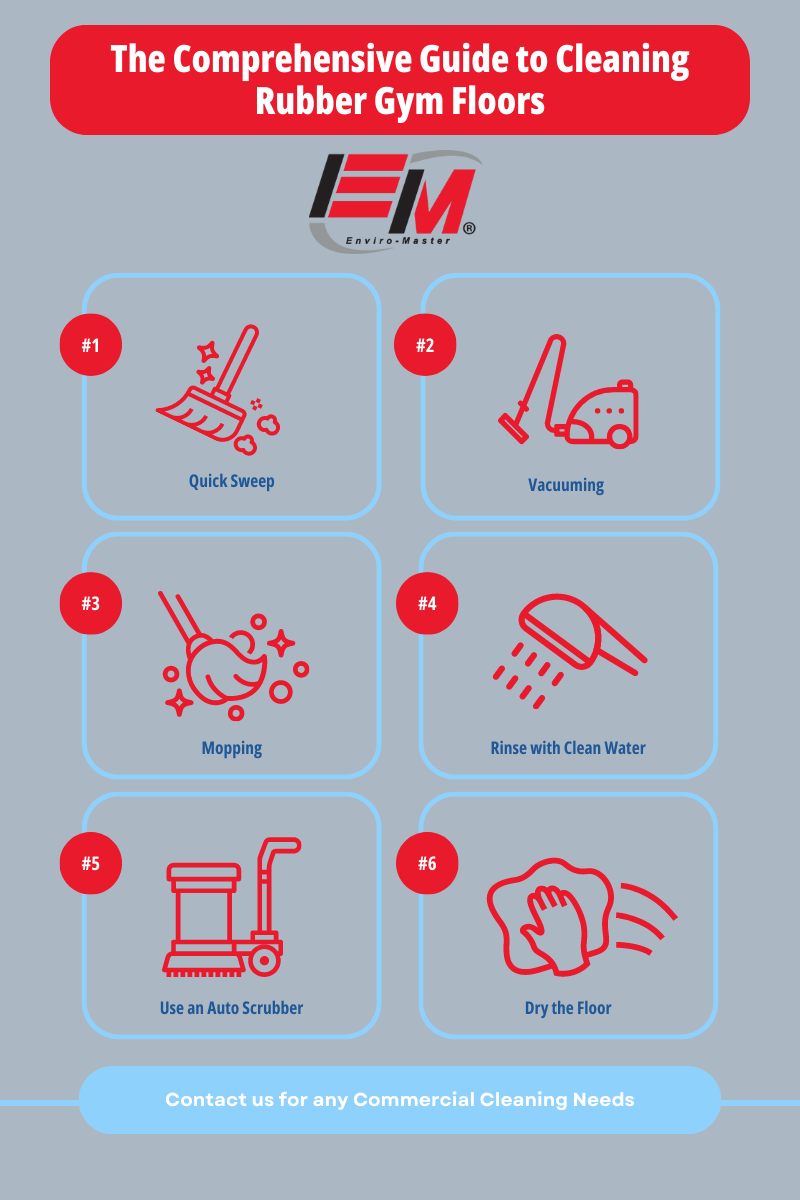
Image Source: enviro-master.com
Why Keep Your Rubber Floor Clean?
A gym floor gets lots of use. People walk on it, drop weights, and sweat. All these things make the floor dirty. Dirt and sweat can harm the floor over time. They can also make the gym smell bad. A clean floor looks better. It also feels better underfoot. Most importantly, a clean floor stops germs from spreading. This keeps gym users healthy.
Stopping Wear and Tear
Dirt acts like sandpaper. When people walk on a dirty floor, the dirt grinds into the rubber. This wears down the surface faster. Regular cleaning removes this dirt. This helps the floor last for many years. It saves money because you don’t need to replace the floor too soon.
Keeping Air Fresh
Sweat and grime left on the floor can smell bad. This is especially true in a warm gym. Regular cleaning, and sometimes a deep clean, gets rid of these smells. Good gym floor odor removal makes the gym a nicer place to be. Clean air helps people feel better during their workouts.
Fighting Germs
Gyms are full of people touching things. Germs can spread easily. The floor is no different. It can hold bacteria and viruses. Disinfecting gym flooring regularly is important. It helps kill germs. This makes the gym a safer place for everyone. It lowers the risk of people getting sick.
What You Need to Clean Rubber Floors
Having the right tools and cleaners makes cleaning easier. It also helps you clean the floor the right way. Using the wrong things can damage the rubber.
Basic Cleaning Tools
You don’t need fancy tools for daily cleaning. Simple items work well.
- Soft Broom or Vacuum: Use this first. It gets rid of loose dirt, dust, and hair. Make sure the vacuum doesn’t have hard brushes that can scratch the floor. A soft brush head is best.
- Dust Mop: This is great for quick cleanups. It catches dust without water.
- Clean Buckets: You will need two. One for clean water with cleaner. One for rinsing your mop. This keeps you from putting dirty water back on the floor.
- Microfiber Mop: These mops hold water well. They clean the surface gently. They are better than string mops, which can push dirt around.
- Squeegee: Useful for large areas. It helps push water towards drains.
- Floor Scrubber (Optional): For large gyms or
deep clean rubber gym flooring. Make sure it has soft pads or brushes made for rubber.
Cleaning Solutions
Choosing the right cleaner is very important. Rubber needs specific types of cleaners.
- Neutral pH Cleaner: This is the best choice for everyday cleaning. A neutral pH cleaner (pH level around 7) is gentle. It cleans well without harming the rubber. Look for a
safe rubber floor cleaner. Avoid harsh chemicals. - Special
Rubber gym floor cleaner: Some companies make cleaners just for rubber floors. These are often neutral pH. They may also help with smells or be designed to not leave a slippery film. Check the label to be sure it’s safe for your floor type. - Disinfectant: For killing germs. Not all disinfectants are safe for rubber. Check the product label. Some disinfectants can be mixed with neutral cleaner. Others need to be used after cleaning. Make sure it is approved for floors and safe for rubber.
- Enzymatic Cleaner: Good for
gym floor odor removal. These cleaners have enzymes that break down organic matter. This is what causes bad smells, especially from sweat (how to clean sweat stains from rubber floor).
What to Avoid
Some cleaners and tools can damage rubber floors.
- Harsh Chemicals: Avoid bleach, ammonia, strong acids, and strong alkaline cleaners. These can break down the rubber over time. They can make it hard, brittle, or change its color.
- Solvents: Things like paint thinner or mineral spirits will harm rubber.
- Oil-Based Cleaners: These can make the floor slippery and leave a residue that attracts dirt.
- Abrasive Scrub Pads: Steel wool or very rough pads will scratch the rubber surface.
Your Step-by-Step Cleaning Plan
Cleaning should happen often. A plan makes sure the floor stays clean all the time.
Daily Cleaning Tasks
These are quick steps to do every day, or even during the day in busy gyms.
- Remove Trash and Debris: Pick up paper, bottles, towels, and other items.
- Sweep or Vacuum: Use a soft broom or vacuum with a soft head. Go over the entire floor area. This removes the loose dirt that causes wear. Focus on high-traffic areas.
- Spot Clean: Wipe up spills right away. This includes water, sports drinks, or sweat. Use a clean cloth or mop. For sweat (
how to clean sweat stains from rubber floor), a quick wipe with a damp cloth is usually enough for daily care.
Weekly Cleaning Tasks
These steps clean the floor more deeply than daily tasks.
- Sweep or Vacuum: Do this first, just like the daily step. Get all the loose dirt.
- Prepare Cleaner: Fill one bucket with clean, cool or lukewarm water. Add a small amount of neutral pH
rubber gym floor cleaneras the product label says. Fill the second bucket with clean rinse water. - Mop the Floor: Dip your microfiber mop into the cleaning solution. Wring it out well. The mop should be damp, not soaking wet. Too much water can get into seams and cause issues. Mop a small area at a time.
- Rinse the Mop: Rinse the mop in the second bucket of clean water. Wring it out again.
- Continue Moping: Go back to the cleaning solution bucket. Get more cleaner on the mop (damp, not wet). Clean the next section of the floor. Keep rinsing the mop in the clean water bucket often. Change the water in both buckets if it gets dirty.
- Let Floor Dry: Allow the floor to air dry completely. Good air flow helps it dry faster. You can use fans if needed. Do not let people walk on the floor until it is fully dry to avoid slips and new dirt.
Deep clean rubber gym flooring
A deep clean is needed every few months or more often if the gym is very busy. This gets rid of built-up dirt, grime, and helps with tough odors and stains.
- Clear the Area: Move all equipment off the floor if possible. This lets you clean the whole surface.
- Thorough Sweep or Vacuum: Get up absolutely everything loose.
- Apply Cleaning Solution: Use your neutral pH
rubber gym floor cleaneror a specificdeep clean rubber gym flooringproduct. For deep cleaning, you might use a slightly stronger mix ratio (follow product instructions). Apply it evenly over a section of the floor using a mop or floor scrubber. - Let Cleaner Work: Allow the cleaner to sit on the floor for the time the product label suggests. This lets it break down dirt and grime. Do not let it dry on the floor.
- Scrub the Floor: For built-up dirt, you may need to scrub. Use a mop, deck brush with soft bristles, or a floor scrubber machine with soft pads. Focus on stained or heavily soiled areas. This is also the time for
removing scuff marks from rubber gym floor. A soft brush and cleaner often work for this. - Remove Dirty Water: Use a wet vacuum (shop vac) or a clean mop to pick up the dirty cleaning solution. This is important to get the dirt off the floor, not just move it around. If using a mop, rinse it often in a third bucket of clean water dedicated just for picking up the dirty solution.
- Rinse the Floor: Now, rinse the entire area with clean water. You can use a clean mop dipped in clean water, or a floor scrubber’s rinse function. The goal is to remove all cleaner residue. Residue can make the floor sticky or slippery and attract dirt faster.
- Remove Rinse Water: Use the wet vacuum or clean mop to pick up all the rinse water.
- Disinfect (Optional but Recommended): After the deep clean and rinse, you can apply a rubber-safe disinfectant. Mix it according to its directions. Apply with a clean mop. Let it sit for the required contact time (check product label to kill germs).
- Rinse Disinfectant (If Required): Some disinfectants need rinsing. Check the product label. If rinsing is needed, use clean water and a clean mop, then remove the water.
- Dry Thoroughly: Let the floor dry completely before putting equipment back or letting people use it. Fans help speed this up.
Tackling Tough Floor Problems
Sometimes, you face specific issues like marks, stains, or bad smells. Here’s how to handle them.
Removing scuff marks from rubber gym floor
Scuff marks happen when shoes or weights scrape the floor. They are often just on the surface.
- Method 1 (Gentle): Try using a clean tennis ball. Rub the mark with the tennis ball. The friction can lift the mark without harming the rubber.
- Method 2 (Cleaner): If a tennis ball doesn’t work, put a small amount of your regular
rubber gym floor cleaneron a clean cloth or soft brush. Gently rub the scuff mark. Rinse the spot with clean water and dry it. - Method 3 (For Stubborn Marks): A special commercial scuff mark remover made for rubber floors might be needed. Always test it in a hidden spot first. Apply a tiny amount, rub gently, and rinse completely.
How to clean sweat stains from rubber floor
Sweat can leave salty marks or contribute to odors.
- Fresh Sweat: Wipe up sweat spills as soon as you see them during daily cleaning. Use a clean cloth or paper towel.
- Dried Sweat Stains: For visible dried stains, use your regular neutral pH
safe rubber floor cleanermixed with water. Mop the area as you would during weekly cleaning. For tougher stains during a deep clean, let the cleaner sit for a few minutes before scrubbing gently. - Odor from Sweat: If sweat causes odor, use an enzymatic cleaner. These cleaners break down the parts of sweat that smell bad. Apply the enzymatic cleaner as directed on the bottle. It often needs time to work. Follow up with regular cleaning.
Gym floor odor removal
Bad smells can come from sweat, dirt, or lack of air flow.
- Regular Cleaning: The best way to prevent odor is regular cleaning. Daily sweeping and weekly damp mopping remove the sources of smell.
- Deep Cleaning: A deep clean gets rid of built-up grime that causes odor.
- Enzymatic Cleaners: As mentioned for sweat stains, enzymatic cleaners are very effective for
gym floor odor removal. Use them during deep cleans or as needed for persistent smells. - Ventilation: Make sure your gym has good air flow. Open windows or use fans. Fresh air helps remove stale smells.
- Deodorizers: Some cleaners have deodorizers. You can also use air fresheners made for large spaces, but fixing the source of the smell (the dirty floor) is always better.
Disinfecting gym flooring
Killing germs is a key part of gym cleanliness.
- Choose the Right Disinfectant: Use a disinfectant approved for floors and safe for rubber. Check the label carefully. Some cleaners are also disinfectants.
- Clean First: Always clean the floor to remove dirt and grime before disinfecting. Disinfectants work best on clean surfaces.
- Apply: Apply the disinfectant evenly across the floor using a clean mop or sprayer.
- Contact Time: Allow the disinfectant to stay wet on the floor for the time listed on the product label. This “contact time” is how long it takes to kill germs. This is very important!
- Rinse (If Needed): Some disinfectants need to be rinsed off after the contact time. Check the label. If rinsing is required, use clean water and a clean mop, then remove the water with a wet vac or clean mop.
- Dry: Let the floor dry completely.
Table: Cleaning Solutions Guide
| Cleaner Type | Best Use | Good For Rubber? | Notes |
|---|---|---|---|
| Neutral pH Cleaner | Daily/Weekly Cleaning, Light Grime | Yes | Gentle, won’t harm rubber. Look for “neutral” or pH around 7. |
Rubber gym floor cleaner |
General Cleaning, designed for the material | Yes | Often neutral pH, may have added benefits like odor control. |
| Enzymatic Cleaner | Gym floor odor removal, Sweat Stains |
Yes (check label) | Breaks down organic matter causing smells. Need dwell time. |
| Disinfectant | Killing Germs (disinfecting gym flooring) |
Yes (check label) | Must be rubber-safe. Apply after cleaning. Needs contact time. |
| Harsh Chemicals (Bleach, Ammonia) | – | No | Avoid completely. Damages rubber over time. |
| Oil-Based Cleaners | – | No | Makes floor slippery, leaves sticky residue. |
Long-Term Floor Care
Keeping your rubber floor in good shape needs more than just cleaning. Rubber flooring maintenance tips help make the floor last longer and look better over time.
Use Floor Mats
Place mats at entrances. This is one of the easiest maintenance tips. Mats catch dirt and water from shoes before they reach the rubber floor. This cuts down on the amount of cleaning needed. It also reduces wear from dirt particles grinding on the surface.
Protect from Heavy Objects
Rubber floors are tough, but heavy weights dropped from a height can damage them. Use weightlifting platforms or extra thick mats in areas where heavy lifting happens. This protects the main floor.
Control Environment
Keep the gym at a steady temperature and humidity level. Extreme heat, cold, or moisture can affect rubber. Good ventilation is also important for air quality and helping the floor dry after cleaning.
Deal with Spills Right Away
Don’t let spills sit on the floor. Wipe them up immediately. This prevents stains (how to clean sweat stains from rubber floor) and keeps liquids from getting into seams.
Regular Inspections
Look at your floor regularly. Check for any signs of damage, loose seams, or areas where dirt is building up. Fixing small problems early prevents them from becoming big, costly issues.
Use the Right Best cleaner for rubber gym mats
If you have separate rubber mats for stretching or under equipment, use the same care as the main floor. Use a safe rubber floor cleaner and follow the same cleaning steps. Mats can often be taken outside to hose off if they get very dirty, but check the mat type and cleaning instructions first. Make sure they are fully dry before putting them back.
Different Floors Need Different Care
Not all rubber floors are exactly the same. The cleaning needs can change based on the type of rubber and how the floor is used.
Recycled vs. Virgin Rubber
- Recycled Rubber: This is common in gyms. It’s often made from old tires. It’s very durable. It can be a bit more porous than virgin rubber. This means it might hold onto smells or stains more easily if not cleaned often. Regular
deep clean rubber gym flooringis important for odor control in these floors. - Virgin Rubber: This is pure, new rubber. It’s often less porous and might be easier to keep clean. However, it can sometimes be less resistant to certain chemicals than recycled rubber. Always check the cleaner is safe.
Rolled Rubber vs. Tiles
- Rolled Rubber: This comes in large sheets. It has fewer seams. Fewer seams mean fewer places for dirt and liquids to hide. Cleaning is often faster.
- Rubber Tiles: These fit together like puzzle pieces or are glued down. They have more seams. You need to be careful with water when cleaning tiles. Too much water can seep into the seams, loosen the glue, or cause mold issues underneath. Use a damp mop, not a wet one.
Cleaning commercial rubber flooring
Cleaning a commercial gym floor is different from cleaning a small home gym floor.
- Size: Commercial gyms are much larger. You might need bigger tools like walk-behind floor scrubbers. These machines clean and often vacuum up the dirty water at the same time, which is very efficient for large areas. Make sure the machine uses soft pads or brushes for rubber.
- Traffic: Commercial gyms have many more users. This means more dirt, sweat, and a higher need for
disinfecting gym flooring. Daily cleaning is crucial. Deep cleaning might be needed more often. - Specific Areas: Commercial gyms have different zones (weightlifting, cardio, group fitness). Some areas might need more frequent cleaning or specific treatments (like extra
gym floor odor removalin high-sweat areas). - Cleaning Schedule: Plan your cleaning schedule carefully. Clean during off-peak hours. Use fans to help floors dry quickly so they can be used again soon.
Common Mistakes to Avoid
Making simple errors can make cleaning harder or even damage your floor.
- Using Too Much Water: Rubber is not meant to sit in water. Too much water can get under the floor, especially tiles. This can cause mold, mildew, or loosen the floor. Always wring out your mop well.
- Using Harsh Chemicals: As mentioned before, bleach, ammonia, and strong cleaners will damage the rubber. They can change its color, make it brittle, or break it down.
- Not Sweeping First: If you start mopping without sweeping or vacuuming, you’re just pushing dirt around. This leaves a dirty film and doesn’t really clean the floor. Always remove loose debris first.
- Not Rinsing Properly: Leaving cleaner residue on the floor can make it sticky. This attracts dirt faster. It can also make the floor slippery when wet. Rinse the floor well with clean water after cleaning, especially during deep cleans.
- Not Letting the Floor Dry: Using the floor before it’s dry can lead to slips. It can also track new dirt onto the wet surface.
- Using the Wrong Tools: Hard brushes or abrasive pads will scratch the rubber. Use only soft cleaning tools.
- Ignoring Spills: Letting spills sit, especially colored drinks or sweat (
how to clean sweat stains from rubber floor), can lead to stains and odors. Clean them up right away. - Not Following Product Directions: Cleaners and disinfectants have specific instructions for mixing, applying, dwell time, and rinsing. Always read and follow these directions for the best results and to avoid damage.
Choosing the Right Cleaner
Selecting the best cleaner is important for results and floor safety.
Look for cleaners labeled as:
- Neutral pH: This is key for rubber.
- For Rubber Floors: Products specifically made for this material are a good bet.
- Non-toxic or Eco-friendly: These are often gentle and
safe rubber floor cleaner. - Concentrated: You mix these with water. A little goes a long way, saving money.
- Low-Foaming: Cleaners that don’t make lots of suds are easier to rinse.
Consider the main issues you face:
- If odor is a big problem, look for a cleaner with enzymatic action or added deodorizers.
- If you need to disinfect often, make sure your chosen disinfectant is rubber-safe and effective against common gym germs. Some
rubber gym floor cleanerproducts might include disinfectant properties.
Always test a new cleaner in a small, hidden spot first. This confirms it won’t damage or discolor your specific floor.
Frequently Asked Questions (FAQ)
Q: How often should I clean my rubber gym floor?
A: You should sweep or vacuum daily. Damp mop with a neutral cleaner weekly. Do a deep clean rubber gym flooring every 1-3 months, depending on how much the floor is used.
Q: Can I use bleach on my rubber gym floor?
A: No, you should never use bleach or other harsh chemicals like ammonia. They can damage the rubber, causing it to break down, change color, or become brittle. Use a safe rubber floor cleaner with a neutral pH.
Q: How do I get rid of smells on my rubber gym floor?
A: Good gym floor odor removal starts with regular cleaning to remove the source of smells (sweat, dirt). Use an enzymatic cleaner for tough odors, especially those from sweat (how to clean sweat stains from rubber floor). Ensure good air flow in the gym.
Q: What is the best cleaner for rubber gym mats?
A: The best cleaner is usually a neutral pH rubber gym floor cleaner. It’s gentle but effective. Enzymatic cleaners are good for mats that get very sweaty. Always check the cleaner is safe for rubber mats.
Q: How do I remove scuff marks?
A: Try rubbing the mark with a clean tennis ball. If that doesn’t work, use a small amount of neutral cleaner and a soft brush. For tough marks, a special rubber-safe scuff remover might be needed. See the section on removing scuff marks from rubber gym floor.
Q: Is it okay to use a lot of water when mopping?
A: No, use a damp mop, not a soaking wet one. Too much water can seep into seams, especially with tile floors, and cause problems like mold or loosening glue.
Q: How do I disinfect my rubber gym floor safely?
A: First, clean the floor to remove dirt. Then, use a disinfectant that is specifically safe for rubber floors. Apply it, let it sit for the required contact time (check the product label), and rinse if the label says to. See the disinfecting gym flooring section.
Q: What are important rubber flooring maintenance tips?
A: Key tips include using entrance mats, wiping spills fast, protecting the floor from heavy drops (use platforms), ensuring good air flow, regular cleaning, and using only rubber-safe cleaners.
Q: How is cleaning commercial rubber flooring different?
A: Commercial floors are larger and get more use. This means you may need bigger cleaning machines, more frequent cleaning, and a careful schedule to clean during quiet times.
Q: What does deep clean rubber gym flooring involve?
A: A deep clean is a more thorough process done less often. It involves clearing the floor, sweeping well, applying a cleaner, scrubbing (often with a machine), vacuuming up dirty water, rinsing thoroughly, and letting it dry completely. Disinfecting is often part of a deep clean.
Keeping your rubber gym floor clean takes regular effort but it is worth it. A clean floor is safer, smells better, looks great, and lasts longer. Use the right tools and cleaners, follow a cleaning plan, and address problems like stains or smells quickly. Your gym floor is a big investment. Taking good care of it protects that investment and provides a better place to work out.