
Can exercise cause a UTI? For many people, exercise is healthy and does not cause problems. However, for some, working out might raise the chance of getting a UTI. A UTI is a common infection. It happens in your urinary tract. This includes your bladder and the tubes that carry pee. Exercise itself does not put bad germs into your body. But certain things linked to exercise can make it easier for germs already there to cause trouble. Things like not drinking enough water or wearing tight clothes might play a role.
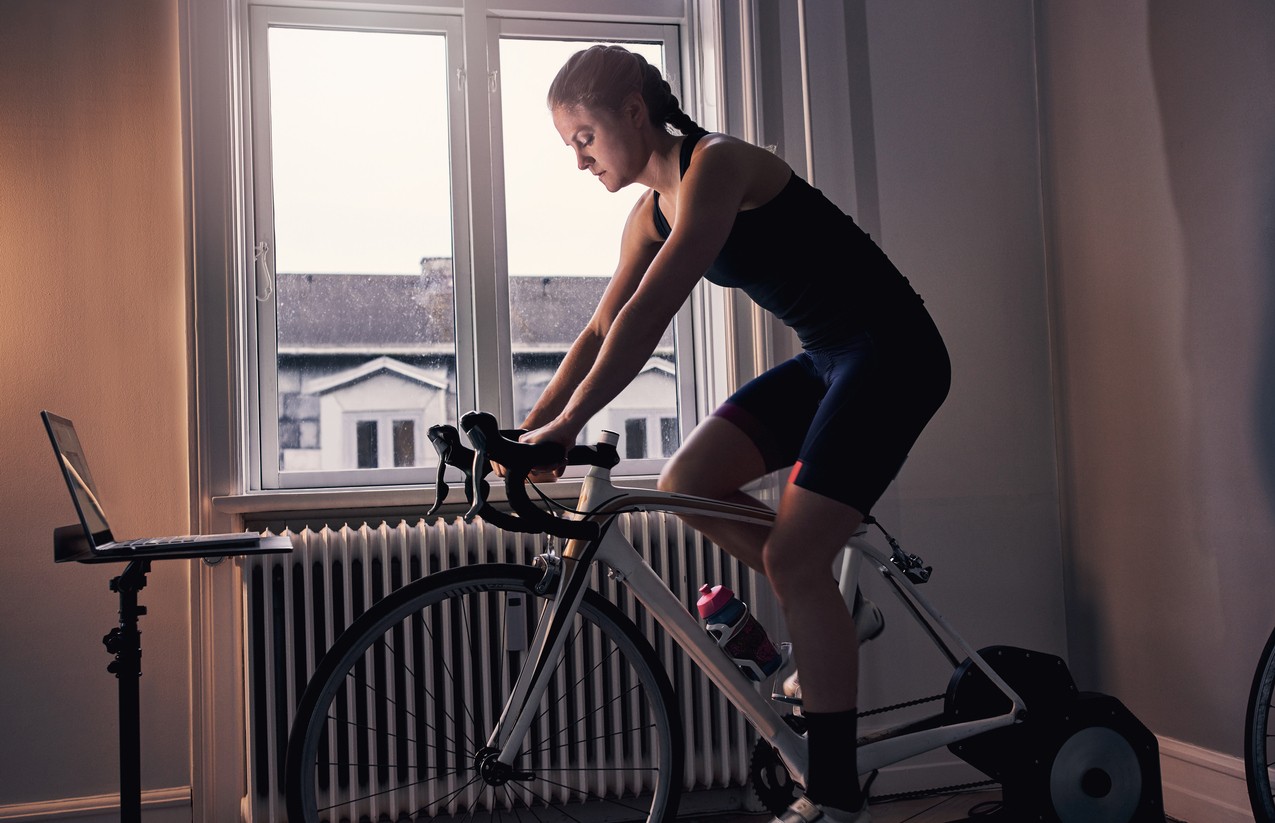
Image Source: www.jeffersonhealth.org
Grasping the Connection
Exercise is good for you. It makes your body strong. It helps your heart work well. It is vital for health. But sometimes, people wonder if their workout made them sick. Specifically, can it lead to a urinary tract infection?
A UTI happens when germs, usually bacteria, get into the urinary tract. They grow there. This causes swelling and pain. These germs often come from your own body, especially from the gut area.
Exercise doesn’t put these germs inside you. But exercise changes things in your body. It changes things around your body too. These changes might create a chance for germs to move or grow. They might make your body less able to fight germs off. This is the key link. Exercise does not cause UTIs directly. But some things connected to exercise can raise your risk.
Why Dehydration Matters
One big thing that happens during exercise is you sweat. You lose water. This can lead to dehydration. Dehydration is when your body does not have enough water. There is a clear Dehydration UTI link.
When you are well-hydrated, you pee more often. Peeing is like flushing. It helps wash germs out of your urinary tract. If germs get into your bladder, peeing can push them out before they cause an infection.
But if you are dehydrated, you pee less. Your pee might be darker. It is more
strong. The flow is slower. This means germs that get in have more time to stay there. They have more time to grow. They can stick to the walls of your bladder. They can start an infection.
So, not drinking enough water before, during, and after your workout is a risk. It means less flushing. Less flushing means germs might stay. Staying germs can lead to a UTI.
Keeping your body full of water is a key part of Hydration and UTI prevention exercise.
Sweat and Bladder Infections: Is There a Tie?
You sweat when you exercise. Sweat cools your body down. It is natural. But sweat creates moisture. A lot of moisture. Especially in areas close to your urinary tract opening.
Sweat and bladder infections can be linked. Not directly, but because of the environment sweat creates. Bacteria like warm, moist places. The area around your genitals can get very warm and wet when you exercise hard. Especially when wearing certain clothes.
This moist environment can help bacteria grow on your skin. These bacteria are often harmless there. But they can move. They can move from the skin to the opening of the urethra. The urethra is the tube pee comes out of. Once near the opening, they can travel up into the bladder.
Sweat itself isn’t the problem. The problem is the warm, wet environment it creates. This makes it easier for bacteria that are already on your skin to move and cause trouble inside.
The Role of Cleanliness
Hygiene is very important when we talk about UTIs. This is true all the time. It is even more true around exercise. Exercise hygiene UTI prevention is a real thing.
During exercise, you touch things. Machines, mats, weights. These things can have germs on them. You sweat. Your body gets dirty. Germs from your body, from the ground, from equipment can get onto your hands. They can spread.
After you exercise, you might feel tired. You might want to rest. But waiting too long to clean yourself can be a risk. Sweat and bacteria stay on your skin. The warm, moist area stays.
Not washing your hands after using gym equipment is risky. Touching your body near the genital area with unwashed hands can move bacteria.
Also, not showering soon after a sweaty workout is a problem. The longer sweat and bacteria sit on your skin, the higher the chance germs can move to where they can cause a UTI.
Simple things like washing your hands and showering quickly after exercise make a big difference. These are basic Post-workout UTI prevention tips.
Clothing Choices Matter
What you wear when you work out can also play a part. Especially Tight exercise clothes UTI risk.
Tight clothes, like leggings or cycling shorts, are popular. They can be comfy for movement. But they can also trap heat and moisture. They hold sweat against your skin. They can also rub.
Tight clothes create that warm, wet place that bacteria love. If they are made of materials that don’t breathe well, like some synthetic fabrics, they make it worse. Cotton breathes better. But it also holds onto moisture. This can be bad too if it stays wet for a long time.
The rubbing from tight clothes can also irritate your skin. Maybe even the opening of the urethra. Irritated skin can be easier for bacteria to get into.
Wearing clothes that are too tight, wet, and non-breathable can increase the time bacteria spend close to your urinary tract opening. This gives them more chance to get inside.
Choosing clothes that fit well and are made of moisture-wicking fabrics can help. Changing out of sweaty clothes right away is key.
Bacteria: The Real Cause
It is important to remember that Bacteria and exercise UTIs are linked because bacteria are the actual cause of the infection. Exercise itself doesn’t create the bacteria. The bacteria usually come from your own body, often from the bowel. The most common one is E. coli.
These bacteria live harmlessly in your gut. But they are not meant to be in your urinary tract. The structure of the female body makes women more likely to get UTIs. The urethra is shorter. It is also closer to the anus. This makes it easier for bacteria to travel from the gut area to the urethra opening.
Exercise creates conditions that might help these bacteria make that journey or grow once they get close.
- Moisture: Sweat creates a wet path for bacteria to travel on the skin.
- Heat: Exercise raises body temperature, making areas warm. Bacteria grow faster in warm places.
- Rubbing: Tight clothes or certain activities (like cycling) can cause rubbing. This might push bacteria towards the urethra opening.
- Less Flushing: Dehydration means less peeing. This means bacteria that enter the urinary tract are not washed out quickly.
So, exercise doesn’t put new bacteria there. It can make it easier for the bacteria already present to cause a problem.
People More Likely to Get Exercise-Induced UTIs
Not everyone who exercises gets UTIs. Some people have a higher chance. Knowing these Risk factors for exercise-induced UTIs can help you be more careful.
- Women: Women have a much higher risk of UTIs than men. This is because of their anatomy. The shorter urethra and its location are big factors. This higher general risk means exercise-related factors affect them more often.
- People prone to UTIs: Some people just get UTIs more often. They might have differences in their body’s defense systems or the lining of their urinary tract. If you get UTIs easily, exercise-related risks might affect you more.
- Those who get very dehydrated: People who sweat a lot or don’t drink enough during exercise are at higher risk because of reduced flushing.
- People who wear tight, non-breathable clothes: This increases the warm, moist environment that helps bacteria.
- People with poor post-exercise hygiene: Not showering quickly or not changing out of wet clothes.
- Certain types of exercise: Activities that involve lots of rubbing in the genital area, like long-distance cycling, might increase risk.
- Using certain products: Some people use wipes or washes that can irritate the skin and disrupt the natural balance of bacteria, potentially making them more open to infection.
- Not peeing after exercise: Holding pee for a long time after a workout means germs stay in the bladder longer.
If you fall into one or more of these groups, you might need to be extra careful with prevention steps.
Spotting the Signs
If you do get a UTI after working out, you need to know the Symptoms of UTI after working out. These are the same symptoms as any other UTI. Exercise doesn’t change the symptoms, just possibly the timing of when they start.
Symptoms often show up a few hours to a day or two after the risky activity.
Look out for these signs:
- Pain or burning when you pee: This is often the first and clearest sign.
- Needing to pee often: You feel like you have to go, even if your bladder isn’t full.
- Feeling like you still need to pee after you just went: This is a strange, unfinished feeling.
- Cloudy or strong-smelling pee: Your pee might look different or have a strong, bad smell.
- Pee that looks red or pink: This can mean there is blood in your pee.
- Pain in your lower belly or back: This is the area where your bladder is. Pain here can mean infection.
- Feeling tired or unwell: Sometimes, a UTI can just make you feel generally sick.
If you notice any of these signs, especially after exercise, it’s a good idea to think about a UTI. You should see a doctor. UTIs need treatment, usually with medicine called antibiotics. If not treated, they can get worse and spread to your kidneys.
Simple Ways to Help Yourself
The good news is you can do many things to lower your risk. Knowing How to prevent UTIs from exercise is key. Most prevention steps are easy to follow.
Here are some important steps:
- Drink Plenty of Water: This is maybe the most important step. Drink water before, during, and after your workout. Drink enough so your pee is light yellow or clear. This helps flush bacteria away. This directly addresses the Dehydration UTI link. It’s a core part of Hydration and UTI prevention exercise.
- Don’t Hold Your Pee: Try to pee right before you start exercising. And try to pee again as soon as you can after you finish. Don’t hold it for a long time. Peeing helps clear out any bacteria that might have entered.
- Clean Up Quickly: Shower or wash yourself soon after exercising. Use mild soap and water. Clean the genital area gently. This washes away sweat and bacteria. This is a key Post-workout UTI prevention tip and part of good Exercise hygiene UTI prevention.
- Change Out of Sweaty Clothes: Don’t hang around in wet, sweaty clothes. Change into dry, clean ones as soon as possible after your workout. This removes the moist environment where bacteria grow. This helps avoid issues from Sweat and bladder infections and Tight exercise clothes UTI.
- Choose Your Clothes Wisely: Wear clothes that are comfortable and allow your skin to breathe. Look for moisture-wicking fabrics. Make sure they are not too tight, especially in the groin area.
- Wipe From Front to Back: Always wipe from front to back after using the toilet. This is crucial whether you exercise or not. It helps keep bacteria from your gut away from your urethra.
- Wash Your Hands: Always wash your hands with soap and water after using the toilet. Wash them before and after handling gym equipment too, if possible.
- Consider Peeing After Sex: If you are sexually active, peeing soon after sex can help flush out bacteria that might have been pushed into the urethra. This is a general UTI prevention tip, but relevant if sex happens around your workout time.
- Avoid Irritating Products: Some soaps, powders, or sprays can irritate the genital area. Try to use mild, unscented products, or just plain water.
- Know Your Body: If you often get UTIs after certain activities, think about what you did. Were you dehydrated? Did you wear tight clothes? Did you wait a long time to shower? Learning your patterns can help you prevent future problems.
By taking these simple steps, you can greatly reduce your chance of getting an exercise-related UTI.
Summarizing Key Points
Let’s put together the main ideas about exercise and UTIs.
- Exercise is generally healthy.
- Exercise doesn’t cause UTIs directly.
- Certain things linked to exercise can increase the risk for some people.
- The main risks are:
- Dehydration: Less peeing means less flushing of bacteria.
- Sweat/Moisture: Creates a place where bacteria can grow easily.
- Poor Hygiene: Not cleaning up allows bacteria to stay and spread.
- Tight Clothes: Trap heat and moisture, can cause rubbing.
- Bacteria already on your skin or from your gut are the real problem. Exercise just helps them cause infection.
- Women are at higher risk due to their body structure.
- Symptoms are the same as any UTI: pain when peeing, needing to go often, etc.
- Prevention is possible with simple steps: Drink water, pee often, clean up fast, wear right clothes.
By being aware of these points, you can enjoy exercise while lowering your risk of this uncomfortable infection.
When to Seek Help
If you think you have a UTI, see a doctor. Don’t wait. UTIs don’t usually go away on their own. They need medicine. The sooner you get treated, the faster you will feel better. And you will stop the infection from spreading.
Tell your doctor about your symptoms. Tell them if they seem to happen after you exercise. This information might help them understand what’s happening and give you advice.
Frequently Asked Questions
Here are some common questions people ask about exercise and UTIs.
h4: Can any type of exercise cause a UTI?
No, not all types raise risk equally. Any exercise where you sweat a lot or might get dehydrated can increase risk if you don’t take steps. Activities with lots of rubbing near the groin, like long biking, might have a slightly higher risk for some people if hygiene isn’t good. But any sweaty workout combined with poor hydration or hygiene can be an issue.
h4: What if I get UTIs often? Should I stop exercising?
No, you do not have to stop exercising. Exercise is good for your health. But you should be extra careful with prevention steps. Focus very hard on drinking enough water, peeing often, and cleaning up immediately after workouts. Talk to your doctor. They might have more specific advice or want to check if something else is making you get UTIs often.
h4: Does drinking cranberry juice help prevent exercise UTIs?
Some people find cranberry products help prevent UTIs. Studies have mixed results. It might help prevent bacteria from sticking to the bladder wall for some people. It does not hurt to include it as part of your plan, but do not rely on it alone. The most important things are staying hydrated and keeping clean.
h4: How much water is enough when I exercise?
This is different for everyone. It depends on how hard you exercise, how much you sweat, and the weather. A good rule is to drink before you feel thirsty. Drink water during your workout, taking sips often. Drink a good amount after you finish. Look at your pee color. It should be pale yellow or clear. If it is dark yellow, you need to drink more.
h4: Is it bad to use public restrooms at the gym?
Using public restrooms is usually safe if you practice good hygiene. Always wash your hands very well with soap and water after using the toilet. This is key. Avoid touching the toilet seat or other surfaces more than needed. The main risk is often from bacteria already on your own body or from not wiping correctly, rather than the toilet seat itself.
h4: Can exercise make a UTI worse if I already have one?
If you think you have a UTI, it is best to wait to exercise until you see a doctor and start treatment. Exercise when you are sick or have an infection might make you feel worse. It could also make dehydration worse. Get treated first, feel better, then go back to exercising.
Exercise is a gift to your body. With simple care, you can keep enjoying it without the worry of a UTI. Be mindful of hydration, hygiene, and clothing, and listen to your body.