
Keeping gym floor mats clean is very important. It helps everyone stay healthy. It also makes the mats last longer. Knowing how to clean gym floor mats safely means using the right steps and cleaning stuff. This guide will show you how to make your gym mats clean and safe. We will talk about cleaning rubber gym mats, disinfecting exercise mats, and even deep cleaning gym flooring. We will cover removing gym mat odors and finding the best gym mat cleaner. You will also learn about cleaning interlocking gym mats, sanitizing fitness mats, how to remove sweat from gym floor, routine gym mat maintenance, and good gym floor cleaning solutions.
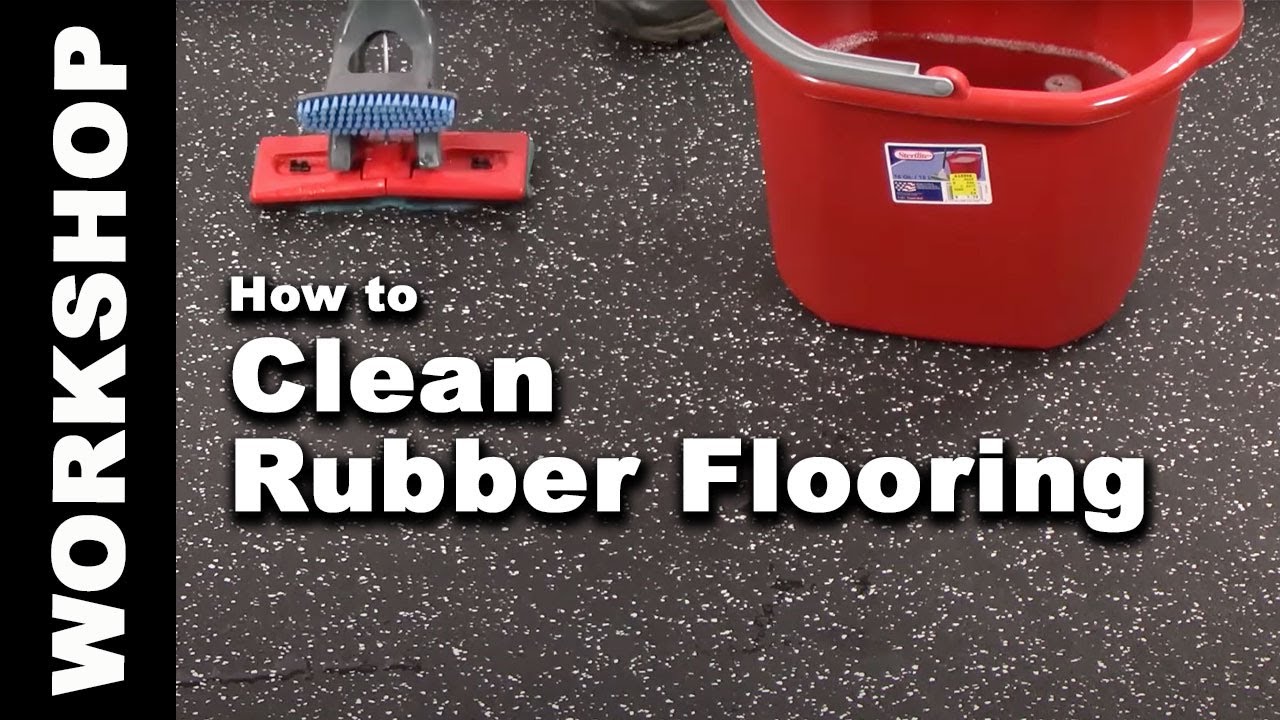
Image Source: i.ytimg.com
Seeing Why Clean Mats Matter
Gym mats get a lot of use. People walk on them. They sweat on them. Equipment sits on them. This makes mats dirty quickly.
Dirty mats can hold germs. These germs can make people sick. Things like bacteria and fungi can grow on mats. This can cause skin problems. It can cause other sicknesses.
Clean mats look better. They feel better. They smell better. This makes the gym a nicer place to be. Cleaning also helps mats last. Dirt and sweat can break down the mat stuff over time. Keeping them clean helps them stay strong.
Looking at Different Mat Types
Gyms use different kinds of mats. The way you clean them can be a little different.
Solid Rubber Mats
These mats are heavy. They often come in big rolls or thick tiles. They are strong and last a long time. Cleaning rubber gym mats needs cleaners that are safe for rubber. Some cleaners can damage rubber.
Foam Mats
These mats are softer. They are often used for things like yoga or stretching. They are usually not as thick or heavy as rubber. Foam can soak up liquids more easily. This means they can hold sweat and smells.
Interlocking Tiles
These mats fit together like puzzle pieces. They can be made of rubber or foam. Cleaning interlocking gym mats can be tricky. Dirt and liquids can get into the seams between the tiles.
Things You Need to Clean Mats
You need some basic things to clean gym mats well.
- A soft broom or vacuum
- Buckets
- Clean cloths or mops
- A scrub brush (not too hard)
- Cleaning solution (made for gym mats or a safe mix)
- Clean water for rinsing
- A way to dry the mats (like fans or towels)
- Gloves (to protect your hands)
- Safety glasses (sometimes needed)
Picking the Right Cleaning Stuff
Choosing the right gym floor cleaning solutions is key. Some cleaners are too strong. They can hurt the mats. They can also leave stuff behind that makes the mats slippery.
What to Not Use
Do not use cleaners with harsh stuff. Avoid things like:
- Strong acids or bases
- Cleaners with lots of bleach (use carefully if needed for sanitizing, but often better to avoid)
- Cleaners with oil or petroleum products
- Things that leave a slippery film
These can damage the mat material. They can make the mats unsafe.
What to Look For
Look for cleaners made for gym floors. These are often called pH-neutral cleaners. pH-neutral means they are not too acid or too base. They are gentle.
You can also use simple things.
- Warm water and a mild soap (like dish soap, but use only a little)
- White vinegar mixed with water
Vinegar is good for removing gym mat odors. It also helps kill some germs. Mix one part white vinegar with one part water.
For disinfecting exercise mats or sanitizing fitness mats, you might need a stronger cleaner. Look for cleaners that kill germs. Make sure they are safe for the mat material. Always follow the directions on the bottle. Some cleaners need to stay on the mat for a certain time to work.
Cleaning Steps: Day-to-Day Care
Routine gym mat maintenance is important. Doing a little cleaning often keeps mats much cleaner over time. This stops dirt and sweat from building up.
Step 1: Clear the Area
Take any weights or equipment off the mats. This lets you reach the whole surface.
Step 2: Remove Loose Dirt
Use a soft broom or a vacuum cleaner. Sweep or vacuum away dust, dirt, and hair. Do this before using any liquids. If you don’t, you will just push the dirt around.
Step 3: Light Cleaning
Mix your cleaning solution. Use warm water and your chosen cleaner. Remember, not too much soap. A little goes a long way.
Dip a clean cloth or mop into the mix. Wring it out well. The mat should not get too wet. Too much water can get under mats. This can cause problems.
Wipe down the mats with the damp cloth or mop. Work in sections. Clean the whole mat surface.
Step 4: Rinse
Use another clean cloth or mop. Wet it with clean water. Wring it out very well. Wipe the mats again. This takes off any soap left behind. Leftover soap can make mats sticky or slippery.
Step 5: Dry
Let the mats air dry completely. You can use fans to help them dry faster. This is very important. Wet mats can get mold or mildew. This causes bad smells and can damage the mats. Make sure the mats are fully dry before people use them again or before putting equipment back.
How to Handle Sweat
Sweat is a big issue on gym mats. How to remove sweat from gym floor is part of daily cleaning. Sweat has salts and other things in it. It can leave marks. It can also make mats smell bad.
Cleaning mats after heavy use helps a lot. Use the light cleaning steps above. Make sure you wipe down the areas where people sweat most.
If sweat has dried on, you might need to scrub a little bit. Use a soft brush. Dip it in your cleaning mix. Gently scrub the sweaty spots. Then rinse and dry the area well.
Deep Cleaning Your Gym Flooring
Sometimes, mats need a deeper clean. This should be done now and then, maybe once a week or once a month. This is called deep cleaning gym flooring. It helps remove tougher dirt and gets rid of more germs.
Step 1: Routine Cleaning First
Start with the daily cleaning steps. Remove loose dirt. Lightly clean and rinse the mats. This removes the easy dirt.
Step 2: Apply a Deeper Cleaner or Sanitizer
For deep cleaning, you might use a specific best gym mat cleaner. Or you might use a solution meant for sanitizing fitness mats or disinfecting exercise mats.
Read the cleaner’s instructions carefully. Some need to be mixed with water. Some are ready to use.
Apply the cleaner to the mat surface. Do not flood the mat. Use a mop or cloth. Make sure the whole surface is covered lightly.
Step 3: Let the Cleaner Work
Many sanitizing or disinfecting cleaners need time to kill germs. This is called “dwell time.” Check the cleaner’s bottle. It might say “Let stand for 5 minutes” or “Keep wet for 10 minutes.”
Let the cleaner sit on the mat for the needed time. Do not let it dry during this time. If it starts to dry, add a little more cleaner to keep it wet.
Step 4: Scrub (If Needed)
For tough spots, you might need to scrub. Use a soft brush. Gently scrub the dirty areas. Do not scrub too hard. This can damage the mat surface.
Step 5: Rinse Thoroughly
Rinsing is very important after deep cleaning. Use clean water and a clean mop or cloth. Rinse the entire mat surface several times. You want to make sure all the cleaner is gone. Leftover cleaner can make the mats sticky or unsafe.
Step 6: Dry Completely
Dry the mats fully. Use towels or fans. Make sure there is no wetness left. This stops mold and smells.
Handling Different Mat Types
Cleaning Rubber Gym Mats
Cleaning rubber gym mats is usually simple. Rubber is strong. But some chemicals can damage it.
- Use pH-neutral cleaners.
- Avoid oil-based cleaners.
- Avoid strong bleach often. If you must sanitize with bleach, mix it very weak (like 1/4 cup bleach per gallon of water). Rinse very well. Test a small hidden area first.
- Do not use floor polish or wax. Rubber mats are meant to be grip-y. Polish makes them slippery.
- Make sure they dry fully. Rubber can trap wetness underneath if it’s on a solid floor.
Cleaning Interlocking Gym Mats
Cleaning interlocking gym mats needs care, especially around the edges.
- Clean the surface like any other mat.
- Pay extra attention to the seams. Dirt and sweat can collect here. Use a brush to get into the seams if needed.
- Be careful not to let too much water go into the seams. This can get under the mats.
- If possible, sometimes take up a few tiles to check underneath. Clean under them if needed. Let the floor and the bottom of the tiles dry completely before putting them back.
Cleaning Foam Mats
Foam mats are softer. They can soak up liquids.
- Use less water when cleaning exercise mats made of foam. A damp cloth is better than a wet mop.
- Vinegar solutions work well for foam mats. They help with smell and light sanitizing.
- Avoid harsh chemicals. Foam is often less resistant than rubber.
- Drying is super important for foam. Because it can soak things up, it takes longer to dry. Make sure they are fully dry before storing or using.
Getting Rid of Bad Smells
Mats can get smelly. Sweat, bacteria, and mildew cause odors. Removing gym mat odors is a key part of cleaning.
- Regular cleaning is the best way to stop smells.
- Drying mats completely after cleaning is crucial.
- Vinegar is a great natural odor remover. Use a 1:1 mix of white vinegar and water. Wipe down mats with this mix. Let it sit for a few minutes. Then rinse and dry well.
- Some cleaners are made to fight odors. Look for enzymatic cleaners. These cleaners break down the stuff that causes smells.
- Make sure the air in the gym is fresh. Good airflow helps keep mats dry and reduces smells.
Picking the Best Cleaner
What is the best gym mat cleaner? It depends on the mat material and what you need to clean.
- For routine cleaning: A pH-neutral cleaner or a mild soap and water mix is often best.
- For disinfecting/sanitizing: You need a cleaner made to kill germs. Check that it is safe for your mat type. Look for products labeled as disinfectants or sanitizers. They often have EPA approval numbers.
- For odors: Vinegar solution or enzymatic cleaners work well.
Always test a new cleaner in a small, hidden spot first. This makes sure it does not damage or discolor the mat.
Table: Quick Cleaner Guide
| Cleaner Type | What it’s Good For | Notes |
|---|---|---|
| Mild Soap + Water | Light dirt, routine cleaning | Use small amount, rinse well, safe for most |
| White Vinegar + Water | Odors, light germs, general cleaning | 1:1 mix, safe for most, helps with smells |
| pH-Neutral Cleaner | Routine cleaning, gentle on materials | Made for floors, safe for rubber |
| Disinfectant | Killing germs (bacteria, viruses) | Needs dwell time, check mat safety |
| Sanitizer | Reducing germs (to safe levels) | Needs dwell time, faster than disinfectant |
| Enzymatic Cleaner | Breaking down odor sources | Good for stubborn smells |
Sanitizing and Disinfecting Mats
Cleaning removes dirt. Sanitizing fitness mats and disinfecting exercise mats kills germs.
- Sanitizing lowers the number of germs to a safe level.
- Disinfecting kills almost all germs listed on the product label.
You need a special cleaner for this. Look for products labeled “sanitizer” or “disinfectant.” They must be approved by health groups (like EPA in the US).
How to Sanitize or Disinfect
- Clean the mats first to remove dirt. Sanitizers and disinfectants work best on clean surfaces.
- Apply the sanitizing or disinfecting solution. Use a mop or cloth. Make sure the surface stays wet.
- Let it sit for the time written on the product label. This is the “dwell time.” It is very important.
- Wipe up the solution or rinse the mats, based on the product’s directions. Some need rinsing, some don’t.
- Dry the mats completely.
Do this regularly. How often depends on how many people use the mats and what activities they do. For high-use areas, you might sanitize daily. Disinfecting might be done less often.
More on Routine Maintenance
Routine gym mat maintenance is key to safety and mat life.
- Clean up spills right away: Don’t let liquids sit on the mats. Wipe them up fast.
- Sweep or vacuum daily: This stops dirt from getting ground into the mats.
- Spot clean as needed: If you see a dirty spot, clean it right away instead of waiting for the full cleaning.
- Check seams (for interlocking mats): Make sure seams are together. Clean out anything stuck in them.
- Check under mats now and then: Lift edges or tiles to look underneath. Make sure it is dry and clean. This stops mold.
- Fix small problems: If a mat edge is lifting or a tile is damaged, fix it or replace the tile. This prevents trips.
Putting down thin mats or towels where people sweat a lot (like under weight benches) can also help. This catches sweat before it hits the mat.
Safety When Cleaning
Cleaning can involve chemicals and wet floors. Be safe.
- Read labels: Always read the directions and warnings on cleaning products.
- Use gloves: Protect your hands from chemicals.
- Good air: Make sure the area has fresh air while cleaning. Open windows if possible.
- Watch for wet spots: Wet floors are slippery. Use signs to let people know the floor is wet.
- Lift with care: Gym mats can be heavy. If you need to move them, lift the right way or get help.
- Store cleaners safely: Keep cleaning products away from people, especially kids or pets if they are around.
Table: Simple Steps for Any Mat
| Step | What to Do | Why it Matters |
|---|---|---|
| 1. Get Ready | Clear mat, get supplies | Makes cleaning easier |
| 2. Dry Clean | Sweep or vacuum loose dirt | Removes dirt before using water |
| 3. Wet Clean | Wipe with damp cloth/mop and cleaner | Removes surface dirt and sweat |
| 4. Rinse | Wipe with clean, damp cloth/mop | Removes cleaner, stops slipperiness |
| 5. Dry | Let air dry fully, use fans | Prevents mold, mildew, and smells |
| 6. Sanitize/Disinfect | Apply special cleaner (if needed), dwell time | Kills germs |
| 7. Final Rinse/Wipe | Clean up sanitizer based on product needs | Removes sanitizer, keeps mat safe |
| 8. Final Dry | Make sure it is totally dry | Finish the job right |
Grasping the Importance of Drying
Drying mats completely is one of the most important steps. If mats stay wet, several bad things can happen:
- Mold and Mildew: These grow in wet places. They cause bad smells and can look like stains. They can also affect air quality.
- Bacteria Growth: Wet places are perfect for bacteria to grow. This makes the mats unclean and can spread sickness.
- Mat Damage: Constant wetness can break down the material of the mat over time.
- Bad Smells: Wet mats often smell musty or sour.
- Safety Risk: Wet mats can be slippery.
After cleaning, use towels to wipe up as much water as you can. Then, let the mats air dry. Open windows, turn on fans, or use floor dryers. Do not put equipment back on the mats until they are completely dry. This might take several hours, depending on the mat type and the air.
Choosing Natural vs. Chemical Cleaners
You can use natural cleaners or store-bought chemicals. Both can work if used correctly.
- Natural Cleaners: Vinegar, water, and mild soap are natural. They are often cheaper and safer for the environment. Vinegar is good for smells. Mild soap cleans dirt. They might not kill as many germs as chemical disinfectants.
- Chemical Cleaners: These are made to kill specific germs. They are often needed for disinfecting exercise mats. They can be stronger and may require more care when using (gloves, airflow). Make sure they are safe for your mat type.
Think about what you need most. For daily cleaning, natural options are often fine. For killing sickness-causing germs, you will likely need a chemical disinfectant.
Making a Cleaning Plan
Having a plan helps keep mats clean all the time.
- Daily: Sweep or vacuum. Spot clean sweat and spills.
- Several times a week: Light wet clean and rinse.
- Weekly: Deeper clean and rinse.
- As needed: Sanitize or disinfect based on how much the mats are used and any health concerns.
- Regularly: Check under interlocking mats.
Write down the plan. Make sure everyone who cleans knows the steps.
Final Checks for Clean Mats
After cleaning, look over the mats.
- Do they look clean?
- Do they smell fresh?
- Are they completely dry?
- Are there any sticky spots? (If yes, rinse again)
- Are the seams tight (for interlocking mats)?
Taking a few moments to check makes sure the cleaning job was done well.
Common Mistakes to Avoid
- Using too much water: This can lead to mold and damage.
- Not rinsing enough: Leaves cleaner residue, makes mats slippery or sticky.
- Not letting mats dry fully: Causes smells, mold, and germ growth.
- Using the wrong cleaner: Damages mats or does not clean well.
- Not cleaning often enough: Allows dirt and germs to build up.
- Ignoring spills: Spills can stain and cause smells if not cleaned fast.
By avoiding these mistakes, your gym mats will stay cleaner and last longer.
Keeping gym floor mats clean is a job that needs to be done often and done right. It protects the people using the gym. It protects the mats themselves. By following these steps and using the right products, you can make sure your gym flooring is clean and safe for everyone. Cleaning rubber gym mats, cleaning interlocking gym mats, disinfecting exercise mats, and handling removing gym mat odors are all part of good care. Using the best gym mat cleaner for the job and doing routine gym mat maintenance will keep your gym looking and feeling great. Remember to get rid of sweat and use good gym floor cleaning solutions. A clean gym is a healthy and happy gym.
Frequently Asked Questions (FAQ)
Q: How often should I clean gym mats?
A: You should do light cleaning often, maybe every day or every few days depending on use. Deeper cleaning should be done weekly. Sanitizing might be needed less often, like weekly or monthly, or more if there are health worries.
Q: Can I use bleach to clean gym mats?
A: Be very careful with bleach. Strong bleach can damage rubber and other mat materials. If you use it for disinfecting, mix it very weak (like 1/4 cup per gallon of water). Always test a small area first. Many other safe disinfectants are available.
Q: How do I get bad smells out of my mats?
A: The best ways are regular cleaning, making sure the mats dry fully, and using white vinegar mixed with water (1:1). Enzymatic cleaners made for odors can also help a lot.
Q: What happens if I don’t let the mats dry completely?
A: Wet mats can grow mold, mildew, and bacteria. This causes bad smells, can damage the mats, and is not healthy for people using them.
Q: Can I use a steam cleaner on gym mats?
A: Be careful with steam cleaners. High heat can damage some mat materials, especially foam or rubber. It can also push water into seams or underneath mats, causing problems. Check the mat maker’s instructions before using steam.
Q: Is it better to use natural or chemical cleaners?
A: It depends on what you need. Natural cleaners like vinegar are good for general cleaning and odors. Chemical cleaners are often needed for killing specific germs to disinfect. Choose cleaners that are safe for your mat type and follow directions.
Q: How do I clean sweat off the mats?
A: Wipe up sweat quickly using a damp cloth with a mild cleaner. For dried sweat, use a little more cleaner and gently scrub with a soft brush if needed. Always rinse and dry the area well afterward. Routine cleaning helps stop sweat from building up.